Drum Kit Deep Dive: 4 Essential Upgrades for Enhanced Sound in 2026

Advertisements
To significantly enhance your drum kit’s sound in 2026, prioritize upgrading drumheads, investing in quality cymbals, optimizing hardware for stability and resonance, and integrating modern electronic components for expanded sonic possibilities.
Are you ready to take your drumming to the next level? In this drum kit deep dive: 4 essential upgrades for enhanced sound in 2026, we’ll explore critical areas that can transform your acoustic experience. Whether you’re a seasoned professional or an aspiring enthusiast, understanding these upgrades will provide a roadmap to achieving the sound you’ve always envisioned.
Advertisements
The Foundation: Revolutionizing Your Drumheads for Optimal Resonance
Drumheads are arguably the most crucial component dictating your drum kit’s overall sound. They are the direct point of impact, and their material, thickness, and coating profoundly affect tone, sustain, and attack. In 2026, advancements in drumhead technology continue to offer drummers unprecedented control over their sound.
Choosing the right drumheads can instantly elevate a mediocre kit to a professional-sounding instrument. It’s not merely about replacing worn-out heads; it’s about selecting those that complement your drumming style and the musical genres you play. A deep understanding of available options will empower you to make informed decisions that resonate with your artistic vision.
Understanding Drumhead Types and Materials
The market offers a vast array of drumheads, each designed for specific sonic characteristics. From single-ply to double-ply, coated to clear, the choices can be overwhelming, but each serves a distinct purpose in shaping your sound.
- Single-ply heads: Known for their bright, open sound and quick response, ideal for jazz and lighter playing.
- Double-ply heads: Offer greater durability, a fatter tone, and more controlled sustain, preferred for rock, metal, and heavier hitting.
- Coated heads: Provide a warmer tone and a slightly muted attack, excellent for brushes and a classic sound.
- Clear heads: Deliver brighter tones and more attack, often favored for their projection and versatility.
The Impact of Head Tension and Tuning
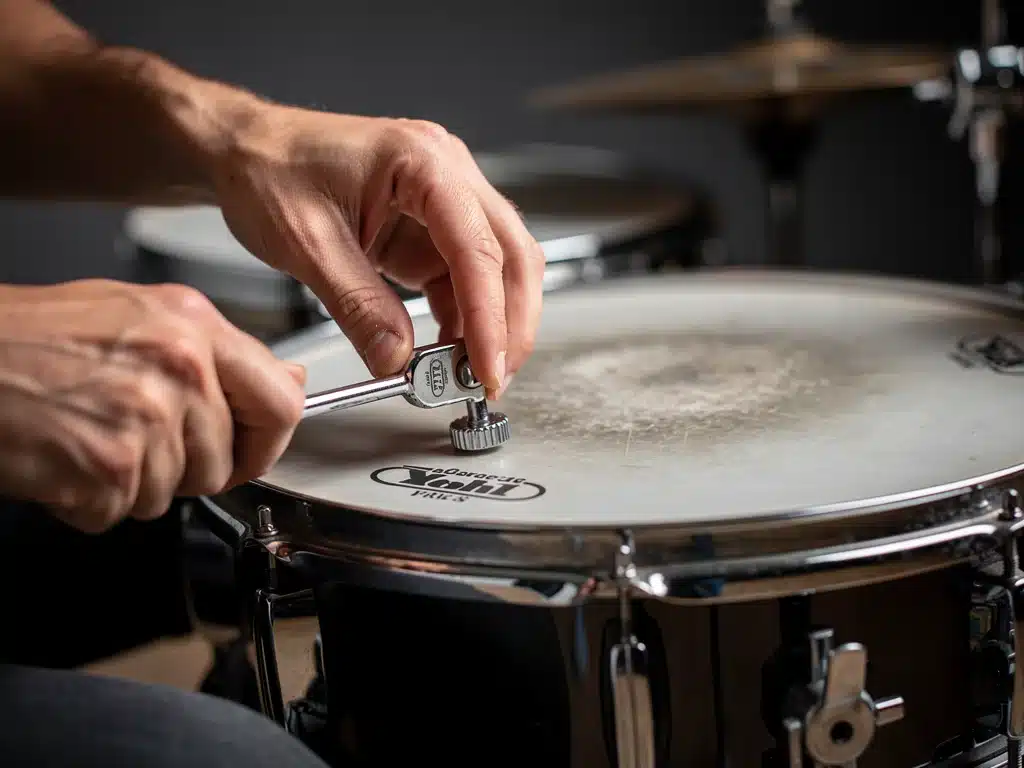
Beyond the type of drumhead, proper tensioning and tuning are paramount. Even the most expensive heads will sound subpar if not tuned correctly. This involves balancing the tension across all lugs and understanding the interplay between batter and resonant heads.
Experimenting with different tensions on both the batter (top) and resonant (bottom) heads will reveal a spectrum of sounds from your drums. A higher tension on the resonant head, for instance, can increase sustain and pitch, while a lower tension can deepen the tone and shorten decay. Mastering this art is a continuous journey that significantly influences your overall drum sound.
In conclusion, a strategic upgrade of your drumheads, coupled with meticulous tuning, forms the bedrock of an enhanced drum kit sound. It’s an investment that yields immediate and noticeable improvements, setting the stage for further sonic exploration.
Elevating Your Tone: The Indispensable Role of High-Quality Cymbals
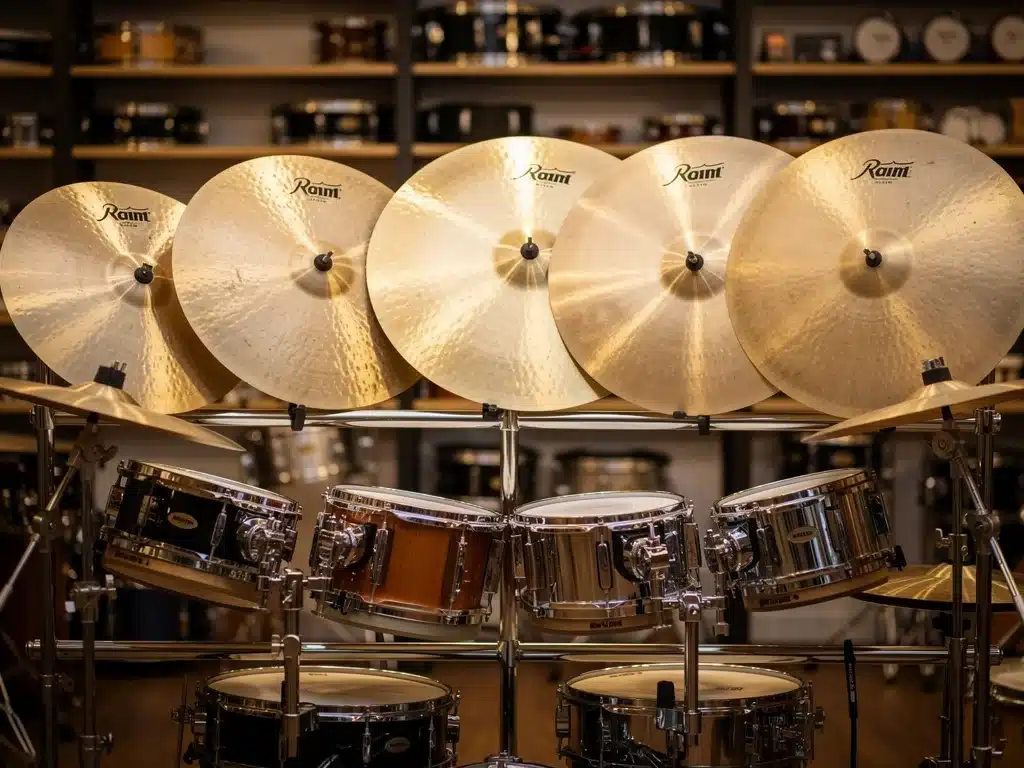
Cymbals are the voice of your drum kit, adding color, texture, and dynamics to your performance. Upgrading your cymbals is one of the most impactful ways to enhance your overall sound, providing a richer, more complex, and expressive sonic palette. In 2026, manufacturers continue to push the boundaries of cymbal craftsmanship, offering innovative alloys and hammering techniques.
The right selection of cymbals can dramatically transform your kit’s character, allowing you to articulate musical ideas with greater clarity and nuance. It’s about finding cymbals that not only sound great individually but also blend harmoniously with each other and with the rest of your kit.
Choosing the Right Cymbal Types for Your Style
Different musical genres demand different cymbal characteristics. A jazz drummer might prefer thin, dark, and complex cymbals, while a rock drummer would lean towards thicker, brighter, and more cutting options. Understanding these distinctions is key to making informed choices.
- Hi-hats: Crucial for rhythmic articulation, available in various weights for different levels of clarity and chick sound.
- Crash cymbals: Used for accents, ranging from fast, explosive sounds to longer, shimmering decays.
- Ride cymbals: Provide continuous rhythmic patterns, with variations in stick definition, wash, and bell tone.
- Specialty cymbals: Such as splashes, chinas, and effects cymbals, add unique sonic textures and colors.
The Art of Cymbal Matching and Placement
Beyond individual cymbal quality, how they interact with each other and where they are placed within your setup significantly impacts your sound. A well-matched set of cymbals will create a cohesive and balanced soundscape, avoiding sonic clashes.
Consider the interplay between your hi-hats, ride, and crash cymbals. Do they complement each other in terms of pitch and sustain? Experiment with different placements to find the sweet spots where each cymbal speaks clearly without overpowering others. This holistic approach to cymbal selection and arrangement is vital for a truly enhanced sound.
Ultimately, investing in high-quality cymbals is an investment in your musical expression. They are not just percussive elements but integral voices that shape the emotional landscape of your drumming, making them an essential upgrade for any serious drummer.
Solidifying Your Setup: Upgrading Hardware for Stability and Resonance
While often overlooked, the hardware of your drum kit plays a critical role in both the stability of your setup and the resonance of your drums and cymbals. Subpar hardware can lead to frustrating wobbles, compromised sound, and even damage to your instruments. Upgrading to robust, well-designed hardware in 2026 is a smart move for any drummer seeking a professional and reliable performance.
Quality hardware ensures that your drums and cymbals are securely positioned, allowing them to vibrate freely and produce their intended sound. It also contributes significantly to your comfort and confidence behind the kit, letting you focus entirely on your playing without distractions.
The Importance of Sturdy Stands and Pedals
The foundational elements of your hardware, such as cymbal stands, snare stands, and bass drum pedals, directly influence your playing experience and sound. Flimsy stands can dampen cymbal sustain, while a poorly designed bass drum pedal can hinder your technique and power.
- Cymbal stands: Heavy-duty stands with double-braced legs provide maximum stability, preventing wobbling and allowing cymbals to ring out fully.
- Snare stands: A solid snare stand ensures your snare drum remains stable, preventing unwanted movement that can affect its sound and feel.
- Bass drum pedals: A high-quality pedal offers smooth action, responsiveness, and durability, allowing for precise and powerful bass drum articulation.
Optimizing Mounts and Clamps for Resonance
Beyond the main stands, the way your toms are mounted can significantly impact their resonance. Direct mounting systems, where tom holders attach directly to the drum shell, can sometimes restrict the drum’s vibration. Modern suspension mounting systems are designed to minimize contact with the shell, allowing for maximum sustain and tone.
Furthermore, investing in high-quality clamps and accessories ensures that everything stays in place, even during aggressive playing. This attention to detail in your hardware setup not only enhances your sound but also prolongs the life of your drums and cymbals by reducing unnecessary stress.
In essence, treating your hardware as an integral part of your sound equation is crucial. Upgrading these components provides a stable, resonant platform for your entire kit, allowing your drums and cymbals to truly shine and deliver their full sonic potential.
Embracing the Future: Integrating Electronic Components for Expanded Sonic Possibilities
The landscape of drumming has been forever changed by the integration of electronic components, offering drummers a vast new world of sonic possibilities. In 2026, incorporating electronic elements into your acoustic drum kit is no longer a niche choice but a powerful upgrade for expanding your sound palette, whether for live performance, studio recording, or creative exploration.
This hybrid approach allows you to blend the organic feel and dynamic response of acoustic drums with the versatility and expansive sound library of electronic percussion. It’s about augmenting, not replacing, your traditional setup.
Triggering and Sampling: A World of Sounds at Your Fingertips
Drum triggers are small sensors that attach to your acoustic drums and cymbals, converting their vibrations into electronic signals. These signals can then be sent to a drum module or sampler, allowing you to layer, replace, or augment your acoustic sounds with an endless array of samples and electronic sounds.
- Kick and snare triggers: Commonly used to reinforce or replace the acoustic sound, especially in live settings where consistency and punch are vital.
- Tom triggers: Can be used to add electronic textures, sound effects, or even melodic elements to your fills.
- Cymbal triggers: Allow for the integration of electronic cymbal sounds, pads, or even soundscapes that would be impossible with acoustic cymbals alone.
The Power of Hybrid Kits and Modules
Building a hybrid kit involves strategically combining acoustic drums with electronic pads and triggers, all controlled by a central drum module. These modules are the brains of your electronic setup, housing vast libraries of sounds, effects, and routing capabilities.
Modern drum modules offer intuitive interfaces, allowing drummers to easily switch between kits, adjust parameters, and even incorporate their own custom samples. This flexibility makes hybrid kits incredibly powerful tools for drummers who need to cover a wide range of genres or create unique sound designs. Imagine seamlessly transitioning from a classic rock acoustic sound to a modern electronic beat within the same song.
Embracing electronic components is about breaking free from traditional sonic limitations. It’s an upgrade that offers immense creative freedom, allowing you to sculpt sounds, experiment with effects, and ultimately define a unique sonic signature for your drumming in the modern musical landscape.
Ergonomics and Comfort: Optimizing Your Setup for Performance and Health
Beyond the purely sonic aspects, the ergonomics and comfort of your drum kit setup are paramount for sustained performance, preventing injury, and fostering creativity. An uncomfortable or poorly arranged kit can hinder your technique, cause fatigue, and even lead to long-term physical issues. In 2026, drummers are increasingly recognizing the importance of optimizing their setup for both health and enhanced playing.
A well-adjusted kit allows for fluid movement, minimizes strain, and maximizes efficiency. It ensures that every component is within easy reach and at the correct height and angle, enabling you to play with precision and power without undue effort.
The Right Throne: Your Foundation for Performance
Your drum throne is your primary point of contact with the instrument and directly impacts your posture, balance, and endurance. Investing in a high-quality, ergonomic throne is an upgrade that pays dividends in comfort and performance.
- Adjustability: Look for thrones with wide ranges of height adjustment and stable bases.
- Padding and shape: Memory foam or bicycle-style seats can offer superior comfort and support for long sessions.
- Stability: A sturdy, non-wobbling throne allows you to transfer energy efficiently to your pedals and drums.
Strategic Placement and Angle of Drums and Cymbals
The physical arrangement of your drums and cymbals is not just about aesthetics; it’s about creating a natural, efficient playing environment. Every drum and cymbal should be positioned so that you can reach it comfortably and strike it effectively without overextending or straining.
Consider the angles of your cymbals – a slight tilt can make them easier to strike and allow them to resonate more freely. The height and proximity of your toms should facilitate effortless transitions between them. Experiment with different configurations to find what feels most natural and allows for your best playing. This personalized approach to setup optimization is a continuous process that evolves with your playing style.
Ultimately, a comfortable and ergonomic setup is an essential upgrade that supports your physical well-being and enhances your ability to perform at your peak. It removes physical barriers, allowing you to focus purely on your musical expression and enjoy your drumming journey for years to come.
The Power of Percussion: Integrating Auxiliary Instruments for Sonic Diversity
Expanding your drum kit beyond the traditional snare, kick, and toms can unlock a world of sonic diversity and creative expression. Integrating auxiliary percussion instruments is a powerful upgrade for any drummer looking to add new textures, rhythms, and colors to their music. In 2026, the availability and variety of auxiliary percussion make it easier than ever to personalize your sound.
These additions can range from simple shakers and tambourines to complex blocks and bells, each offering a unique voice that can enhance the rhythmic and melodic complexity of your drumming. It’s about expanding your sonic palette and finding new ways to contribute to the overall musical arrangement.
Exploring Common Auxiliary Percussion Instruments
There’s a vast array of auxiliary percussion instruments that can be easily integrated into a standard drum kit setup. Each brings its own character and can be used to serve different musical purposes.
- Cowbells: Offer a distinct, cutting attack, often used in Latin music, rock, and funk for rhythmic accents.
- Wood blocks: Provide a sharp, woody click, useful for specific rhythmic patterns or sound effects.
- Tambourines and shakers: Add shimmer, sustain, and rhythmic drive, commonly used in pop, rock, and acoustic settings.
- Chimes/Mark trees: Create shimmering, ethereal washes of sound, perfect for intros, outros, or atmospheric passages.
Creative Integration and Placement
The key to effectively integrating auxiliary percussion is thoughtful placement and creative application. Consider how each instrument will be used and position it within easy reach, allowing for seamless transitions during your performance.
Experiment with layering these sounds with your main drum kit elements. A tambourine layered with a hi-hat can add brightness, while a cowbell on the kick drum can create a unique rhythmic pulse. Don’t be afraid to think outside the box and use these instruments to create unexpected textures or to highlight specific sections of a song. This creative exploration of auxiliary percussion can truly set your drumming apart.
In summary, integrating auxiliary percussion is a dynamic upgrade that enriches your drum kit’s sound and expands your creative boundaries. It allows you to introduce new sonic landscapes and rhythmic motifs, making your drumming more engaging and versatile across various musical contexts.
Maintenance and Care: Sustaining Your Enhanced Sound for the Long Term
Achieving an enhanced drum kit sound through strategic upgrades is only half the battle; sustaining that sound for the long term requires diligent maintenance and care. A well-maintained kit not only sounds better but also lasts longer, protecting your investment. In 2026, understanding the best practices for drum kit upkeep is crucial for every drummer.
Regular maintenance ensures that every component of your kit performs optimally, preventing issues that can degrade your sound over time. It’s about respecting your instruments and ensuring they are always ready to deliver their best.
Routine Cleaning and Inspection
Just like any precision instrument, your drum kit benefits from regular cleaning and inspection. Dust, grime, and sweat can accumulate on shells, hardware, and cymbals, affecting their appearance and potentially their sound.
- Shells: Wipe down shells regularly with a soft, clean cloth to remove dust and fingerprints. Use specialized cleaning agents for deeper cleans, if necessary, ensuring they are safe for your drum’s finish.
- Hardware: Keep chrome parts polished and lubricate moving parts on pedals and stands to ensure smooth operation and prevent squeaks.
- Cymbals: Clean cymbals with appropriate cymbal cleaner to remove stick marks and oxidation, which can dull their sound.
Monitoring Wear and Tear: When to Replace Components
Even with the best care, certain drum kit components are consumables and will eventually need replacement. Being proactive in monitoring wear and tear is key to maintaining your enhanced sound.
Regularly inspect drumheads for dents, tears, or excessive stretching, as these will negatively impact tone and tuning stability. Check cymbal edges for cracks, which can quickly spread and ruin a cymbal. Inspect felts, sleeves, and washers on cymbal stands, replacing them when they become worn to protect your cymbals and ensure proper resonance. Addressing these small issues promptly can prevent larger problems and keep your kit sounding its best.
In conclusion, consistent maintenance and care are indispensable for preserving the enhanced sound of your drum kit. It’s an ongoing commitment that ensures your instruments remain in peak condition, allowing you to enjoy their superior performance for years to come and protecting the value of your upgrades.
| Upgrade Area | Description of Benefit |
|---|---|
| Drumheads | Transforms tone, sustain, and attack; crucial for foundational sound. |
| Cymbals | Adds color, texture, and dynamics, enhancing overall musical expression. |
| Hardware | Ensures stability, allows drums/cymbals to resonate freely, and improves playability. |
| Electronic Components | Expands sonic possibilities, integrates samples, and offers creative versatility. |
Frequently Asked Questions About Drum Kit Upgrades
Upgrading your drumheads is often considered the most impactful and cost-effective upgrade for immediate sound improvement. New, high-quality drumheads, correctly tuned, can dramatically alter the tone, sustain, and attack of your drums, making even an entry-level kit sound significantly better. It’s the direct point of contact for your sticks.
The frequency of drumhead replacement depends on your playing style, frequency, and the type of music you play. For heavy hitters or frequent players, replacing batter heads every 3-6 months is common. Resonant heads can last longer, sometimes a year or more. Listen for changes in tone or tuning stability as indicators.
Absolutely. Quality hardware provides crucial stability, allowing drums and cymbals to resonate freely without being dampened by flimsy stands or mounts. Sturdy stands prevent wobbling, and well-designed pedals improve responsiveness. This stability ensures your instruments produce their intended sound, enhancing overall clarity and sustain.
Integrating electronic components, such as triggers and pads, expands your sonic palette immensely. You can layer acoustic sounds with samples, create unique effects, or replace sounds for consistent live performance. This hybrid approach offers versatility for various genres, creative sound design, and the ability to play silently with headphones.
While beginners don’t need top-tier cymbals immediately, upgrading from entry-level options to mid-range professional cymbals can be highly beneficial. Better cymbals offer richer tones, better dynamics, and more musicality, inspiring practice and improving overall sound. It’s an investment that grows with your skill.
Conclusion
Embarking on a journey to enhance your drum kit’s sound in 2026 is an exciting endeavor that promises significant rewards in musical expression and performance quality. By focusing on critical upgrades such as new drumheads, high-quality cymbals, robust hardware, and innovative electronic integrations, drummers can unlock a world of sonic possibilities. Each of these areas contributes uniquely to the overall sound, feel, and versatility of your instrument, transforming it from a collection of components into a finely tuned, expressive musical tool. Coupled with diligent maintenance and an ergonomic setup, these strategic enhancements ensure that your drum kit not only sounds exceptional but also supports your passion for drumming for years to come. Invest wisely, experiment boldly, and let your enhanced sound propel your music to new heights.