Maximize Your Vintage Wardrobe: 6 Essential Storage Techniques
Advertisements
Implementing proper storage techniques is crucial for anyone looking to preserve their vintage wardrobe, ensuring garments retain their aesthetic and monetary value for over a decade through careful environmental control and protective measures.
Are you a proud owner of a burgeoning collection of vintage clothing? Do you often wonder how to make sure your cherished pieces last not just a few years, but for decades to come, retaining their original charm and value? Learning to maximize your vintage wardrobe: 6 essential storage techniques is not merely about tidiness; it’s an investment in preservation, ensuring your unique style endures. This guide will walk you through the critical steps to protect your sartorial treasures from the ravages of time and environment.
Advertisements
Understanding the Enemies of Vintage Textiles
Before delving into specific storage techniques, it’s vital to recognize the primary threats that can degrade your vintage clothing. Understanding these ‘enemies’ allows you to implement preventative measures effectively, safeguarding your garments from irreversible damage. Many vintage items have already survived decades, making them more susceptible to further deterioration if not handled with care.
The delicate fibers and often intricate constructions of vintage pieces require a different approach than contemporary clothing. Environmental factors play a significant role, as do common household pests and improper handling. Being aware of these risks is the first step toward successful long-term preservation.
Humidity and Temperature Fluctuations
One of the most insidious threats to vintage textiles is uncontrolled humidity and temperature. High humidity can foster mold and mildew growth, leading to unsightly stains and a musty odor that is incredibly difficult to remove. Conversely, excessively dry conditions can cause natural fibers like silk and wool to become brittle and crack. Rapid fluctuations between these extremes are equally damaging, stressing the fabric fibers.
- Mold and Mildew: Thrives in damp, dark environments, causing irreparable stains and odors.
- Fiber Brittleness: Low humidity dries out natural fibers, making them fragile and prone to tearing.
- Fabric Stress: Constant changes in temperature and humidity cause expansion and contraction, weakening fibers over time.
Light Exposure and Pests
Light, particularly direct sunlight and fluorescent light, can cause significant fading and deterioration of fabric dyes and fibers. This is especially true for delicate vintage colors, which were often created with less stable dyes than modern counterparts. Pests, such as moths, carpet beetles, and silverfish, are another major concern. They feed on natural fibers, leaving holes and irreparable damage.
Protecting your garments from these elements requires thoughtful consideration of where and how they are stored. Even indirect light over long periods can cause noticeable fading, so a dark storage environment is generally preferred. Regular inspection for signs of pest activity is also crucial.
To effectively preserve your vintage wardrobe, you must create an environment that actively mitigates these threats. This involves controlling the climate, blocking out harmful light, and implementing pest deterrents. A proactive approach is always more effective than a reactive one when it comes to vintage garment care.
Technique 1: Climate-Controlled Environment
The foundation of long-term vintage clothing preservation lies in maintaining a stable, climate-controlled environment. This is perhaps the single most important factor in preventing degradation and ensuring your garments remain pristine for decades. Fluctuations in temperature and humidity are particularly detrimental to delicate fabrics, leading to a host of problems from mold to brittleness.
Investing in appropriate climate control can seem daunting, but it’s a worthwhile endeavor for truly valuable or sentimental pieces. Creating the right conditions will significantly extend the lifespan of your collection, protecting it from environmental stressors that accelerate decay.
Ideal Temperature and Humidity Levels
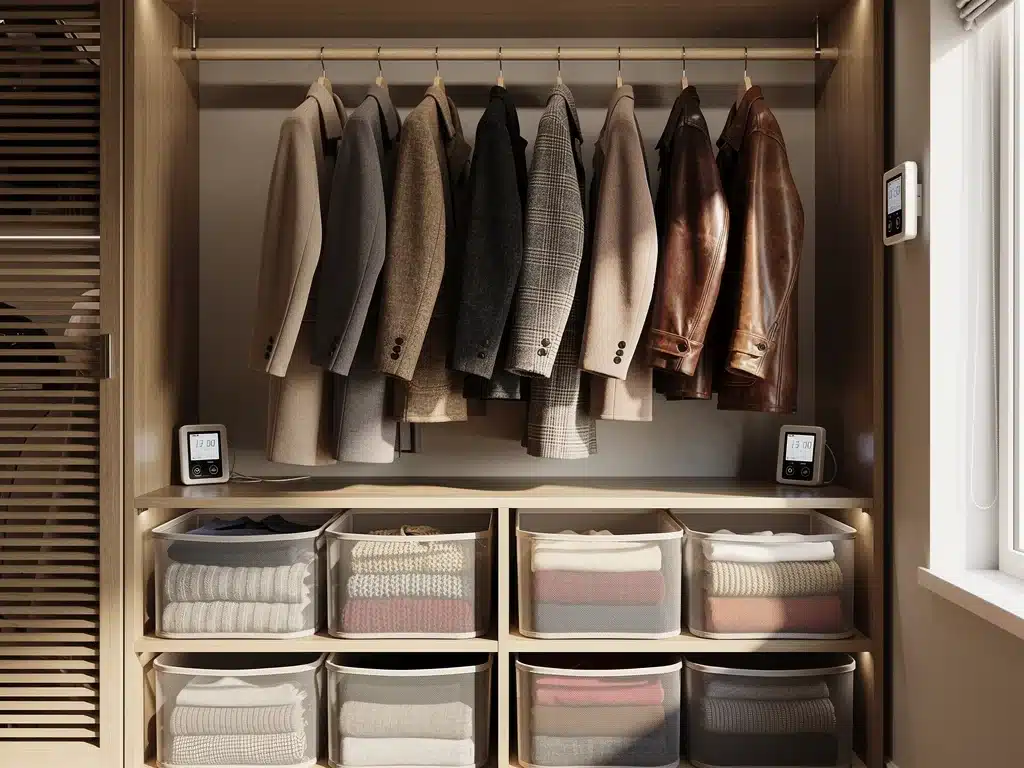
For optimal preservation of textiles, a consistent temperature and humidity level are recommended. Experts suggest maintaining a temperature between 65-75°F (18-24°C) and a relative humidity of 45-55%. These ranges discourage mold growth while preventing fibers from drying out prematurely. Monitoring these levels regularly is key.
- Temperature: Keep it steady, avoiding extreme heat or cold.
- Humidity: Use a dehumidifier in damp climates or a humidifier in dry ones.
- Monitoring: Employ hygrometers and thermometers to track conditions.
Controlling the Storage Space
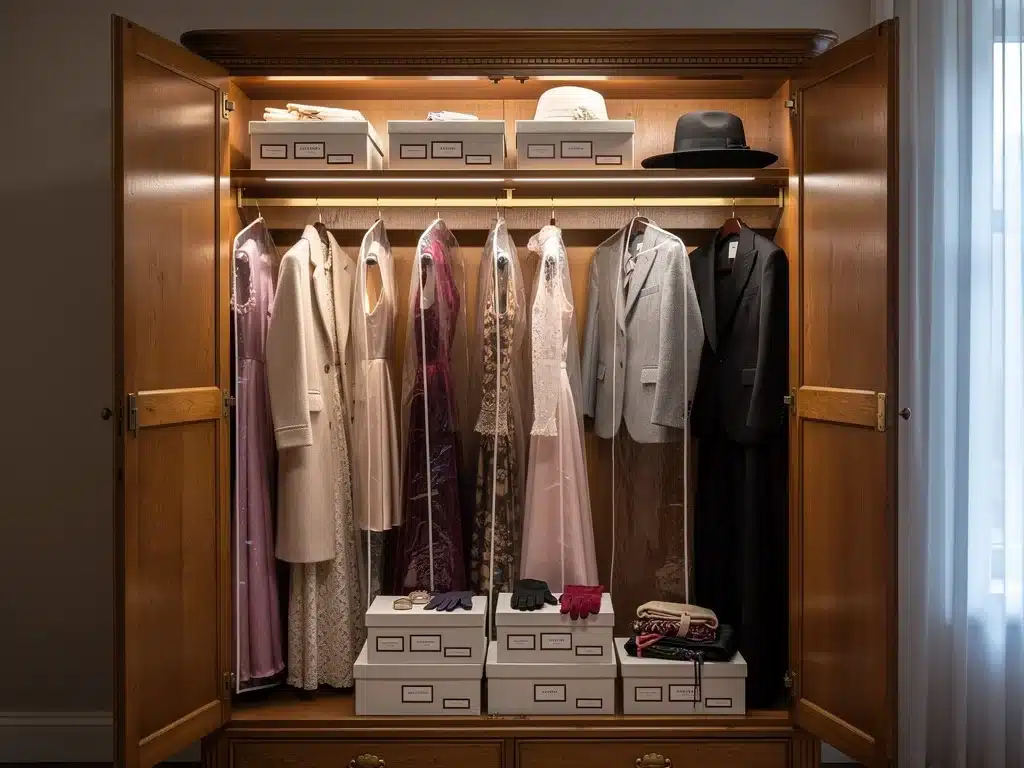
Beyond general room conditions, the specific storage space itself needs attention. Basements and attics are often poor choices due to their inherent susceptibility to extreme temperature and humidity swings. Instead, consider an interior closet or a dedicated storage unit that offers better environmental stability. Ensure the area is well-ventilated to prevent stale air and moisture buildup.
If a dedicated climate-controlled room isn’t feasible, focus on controlling the immediate storage area. This might involve using portable dehumidifiers or small fans within a closet. The goal is to minimize direct exposure to harsh environmental elements and create a mini-climate for your cherished items. A stable environment is the first line of defense in keeping your vintage wardrobe intact.

Technique 2: Proper Garment Bags and Boxes
Once your climate is under control, the next crucial step in preserving your vintage wardrobe storage is selecting the right garment bags and boxes. Not all storage containers are created equal, and using the wrong materials can actually do more harm than good, trapping moisture or releasing harmful chemicals that degrade fabrics over time. The goal is to protect garments from dust, pests, and light, while still allowing them to breathe.
Investing in high-quality, archival-grade storage materials is a smart decision for any serious vintage collector. These products are specifically designed to be safe for long-term textile preservation, ensuring your items are protected without any adverse reactions.
Breathable Garment Bags
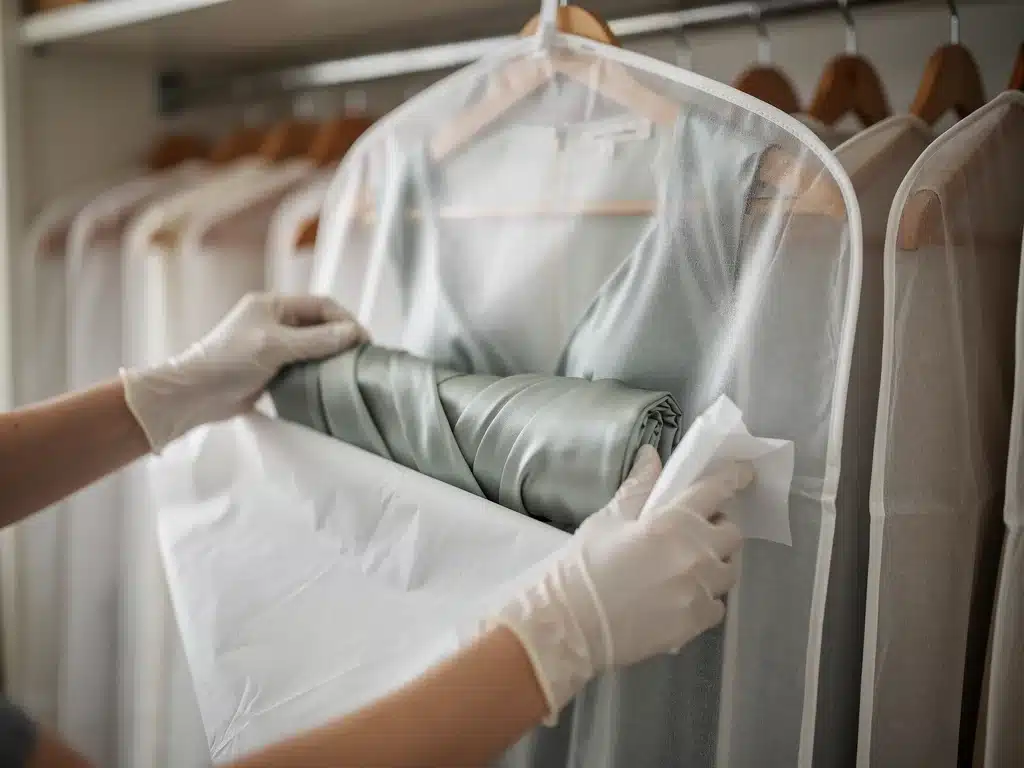
For hanging garments, breathable bags are essential. Avoid plastic dry-cleaning bags, which can trap moisture and emit fumes that damage delicate fabrics. Instead, opt for bags made from materials like unbleached cotton, muslin, or polypropylene. These materials allow air circulation, preventing humidity buildup and off-gassing while still protecting against dust and light.
- Unbleached Cotton/Muslin: Excellent breathability, natural fibers, and acid-free.
- Polypropylene: A stable, inert plastic that is breathable and moth-resistant.
- Avoid PVC: Harmful chemicals can leach onto fabric over time.
Acid-Free Storage Boxes and Tissue
For folded items, especially delicate or heavily embellished pieces, acid-free storage boxes are indispensable. Regular cardboard boxes contain acids that can yellow and weaken fabrics over time. Combine these boxes with acid-free tissue paper to cushion garments, prevent creasing, and act as a buffer against any potential contaminants. The tissue should also be unbuffered for silks and protein fibers, as buffering agents can harm them.
When folding garments, avoid sharp creases that can weaken fibers. Instead, use soft rolls or large, gentle folds, interleaving with acid-free tissue paper. This technique helps distribute pressure evenly and prevents permanent wrinkles or damage to adornments. Proper boxing ensures that even your most fragile vintage items are supported and protected from external pressures and environmental factors.
Technique 3: Appropriate Hangers and Folding Methods
The way you support your garments, whether hanging or folded, significantly impacts their longevity. Incorrect hangers or folding techniques can cause irreparable damage, from stretched shoulders to permanent creases. This is particularly true for vintage items, which may already have weakened fibers due to age. Choosing the right support is a small effort with a huge payoff in preservation.
Think of your hangers and folding methods as the internal structure of your storage system. Just as a building needs a strong foundation, your clothes need proper support to maintain their shape and integrity over time. This careful consideration contributes directly to maximizing your vintage wardrobe’s value.
Using Padded or Shaped Hangers
Wire hangers are a definite no-go for vintage clothing. They can rust, snag fabrics, and, most commonly, cause permanent stretching and distortion in the shoulders of garments. Instead, opt for padded hangers for delicate items like silks, satins, and loosely woven knits. For heavier items like coats and jackets, broad, shaped wooden hangers are ideal as they distribute weight evenly and maintain the garment’s original silhouette.
- Padded Hangers: Prevent stretching and creasing on delicate fabrics.
- Broad Wooden Hangers: Support the shape of heavy garments, preventing shoulder bumps.
- Avoid Wire Hangers: Cause damage, rust, and distortion.
Strategic Folding for Delicate Items
Some vintage items are simply not meant to be hung. Knits, heavily beaded garments, and bias-cut dresses can stretch and distort under their own weight if hung for extended periods. For these pieces, strategic folding is the best approach. Use acid-free tissue paper to pad folds and prevent sharp creases. Store these items flat in acid-free boxes, ensuring they are not stacked too high to avoid crushing the lower garments.
When folding, try to create soft curves rather than sharp angles. For sweaters, fold them neatly and place a layer of acid-free tissue between each garment to prevent fiber migration and provide a protective barrier. This method not only preserves the garment’s shape but also minimizes stress on the fabric, which is crucial for antique textiles. Proper folding is a silent guardian of your vintage collection.
Technique 4: Protection from Light and Pests
Even with optimal climate control and proper hangers, your vintage wardrobe remains vulnerable to two persistent threats: light exposure and pests. Both can cause irreversible damage, fading colors, weakening fibers, or creating holes that diminish the value and wearability of your cherished pieces. Effective protection against these elements is non-negotiable for long-term preservation.
A multi-pronged approach is necessary to combat these issues. It involves not just physical barriers but also regular vigilance and maintenance. By taking these steps, you build a robust defense system around your vintage collection, ensuring its integrity for years to come.
Blocking Out Harmful Light
Direct and indirect light, especially UV rays, can cause significant fading and degradation of dyes and fibers. Vintage fabrics, often dyed with less stable formulations, are particularly susceptible. Store your garments in a dark environment, ideally in a closet with solid doors or in opaque, acid-free boxes. If a storage area has windows, ensure they are covered with UV-filtering blinds or curtains.
- Opaque Storage: Use solid closet doors or dark, acid-free boxes.
- UV Filters: Install on windows if light exposure is unavoidable.
- Avoid Fluorescent Lights: Emit UV radiation; use incandescent or LED for inspection.
Vigilant Pest Control Strategies
Moths, carpet beetles, and silverfish are notorious for feasting on natural fibers like wool, silk, and cotton. Regular inspection is key to early detection. Store garments in sealed, breathable bags or boxes to create a physical barrier. Cedar blocks or sachets can act as deterrents, but remember they need to be refreshed periodically as their efficacy wanes. Avoid mothballs, as their chemicals can be harmful to fabrics and humans.
Maintain cleanliness in your storage area, regularly vacuuming and cleaning to remove dust and potential insect eggs. Ensure garments are clean before storage, as food stains or body oils can attract pests. For valuable items, consider storing them in a separate area from everyday clothing to minimize risk. A clean, dark, and sealed environment is your best defense against insidious pests.
Technique 5: Regular Inspection and Maintenance
Even with the most meticulous initial storage setup, a vintage wardrobe requires ongoing attention through regular inspection and maintenance. This proactive approach allows you to catch potential problems early, before they escalate into irreversible damage. Think of it as a health check-up for your garments, ensuring they remain in peak condition for future generations.
Neglecting regular checks can undermine all your other preservation efforts. Small issues like a developing mold spot or a nascent pest infestation can quickly spread, compromising your entire collection. Consistent vigilance is a cornerstone of effective long-term vintage clothing care.
Scheduled Garment Check-Ups
Establish a routine for inspecting your vintage collection, perhaps every three to six months. During these check-ups, carefully remove each item from its storage, unfold it, and examine it for any signs of damage. Look for:
- Pest Activity: Small holes, droppings, or larvae.
- Mold or Mildew: Musty odors, discoloration, or fuzzy growth.
- Fabric Degradation: Brittleness, tears, or fading.
- Creasing: Check for deep, permanent creases from improper folding or hanging.
If you find any issues, address them immediately. For pests, isolate the affected item and consider professional conservation. For mold, consult a textile conservator, as aggressive cleaning can worsen the damage. Early detection is paramount to saving your valuable pieces.
Cleaning and Refreshing
While extensive cleaning should be done sparingly for vintage items, light refreshing and airing can be beneficial. After inspection, gently air out garments in a clean, shaded area for a few hours to remove any stale odors. If an item needs cleaning, always opt for professional vintage textile conservators. Avoid dry cleaning or machine washing unless specifically recommended by an expert, as these methods can be too harsh for delicate fabrics and dyes.
Ensure any garment going back into storage is completely clean and dry. Food residues, perfumes, and even body oils can attract pests or cause stains over time. A clean garment in a clean environment is a happy garment, significantly increasing its chances of lasting well over a decade. This ongoing care is what truly sets apart a well-preserved vintage wardrobe.

Technique 6: Avoiding Common Storage Mistakes
While implementing the correct storage techniques is crucial, it’s equally important to be aware of and actively avoid common mistakes that can inadvertently harm your vintage collection. Many well-intentioned actions can have negative long-term consequences, accelerating the deterioration of delicate fabrics. Understanding these pitfalls will help you refine your preservation strategy for your vintage wardrobe storage.
Learning from common errors can save you from costly damage and heartache. By sidestepping these missteps, you ensure that your efforts to preserve your vintage items are not undermined by overlooked details or outdated advice. This final technique acts as a safeguard, reinforcing all previous efforts.
Steering Clear of Plastic Containers and Dry Cleaning Bags
One of the most prevalent errors is storing vintage clothing in non-breathable plastic containers or, worse, the plastic bags from the dry cleaner. As mentioned earlier, these materials trap moisture, creating an ideal environment for mold and mildew. They also prevent air circulation, leading to a musty smell and the potential for harmful chemical off-gassing from the plastic itself, which can degrade fabrics.
- Plastic Dry Cleaning Bags: Trap moisture, emit harmful fumes, and are not breathable.
- Airtight Plastic Totes: Can create humid microclimates, fostering mold.
- Use Breathable Alternatives: Opt for cotton, muslin, or acid-free polypropylene.
Overcrowding and Unsuitable Locations
Overcrowding your closet or storage boxes is another common mistake. When garments are packed too tightly, they can become crushed, leading to permanent wrinkles, stress on seams, and reduced air circulation. This also makes it difficult to inspect items regularly without causing further disturbance. Similarly, storing vintage items in unsuitable locations like basements, attics, or garages exposes them to extreme temperature swings, humidity, and pests, negating all other preservation efforts.
Ensure there is ample space for air to circulate around each garment, whether it’s hanging or folded. Consider rotating your collection if space is limited, bringing out seasonal pieces while safely storing others. Always prioritize a stable, interior environment for long-term storage. By actively avoiding these common pitfalls, you significantly increase the chances of your vintage wardrobe thriving for many years to come, retaining its beauty and historical significance.
Technique 7: Documentation and Valuation
While not strictly a physical storage technique, documenting and valuing your vintage wardrobe is an essential part of maximizing its long-term worth and ensuring its preservation. Knowing the history, provenance, and estimated value of each piece not only enhances your appreciation for the item but also informs your preservation priorities. This technique helps you understand what you are truly protecting.
Proper documentation creates a historical record that adds to the garment’s narrative and can significantly increase its value over time. It transforms a mere piece of clothing into a documented artifact, worthy of meticulous care and attention.
Creating a Detailed Inventory
For each significant vintage piece, create a detailed inventory record. This should include:
- Date of Acquisition: When and where you obtained the item.
- Description: Fabric type, color, style, designer (if known), and unique features.
- Condition Report: Note any existing flaws, repairs, or signs of wear.
- Photographs: High-quality images from multiple angles.
- Provenance: Any known history of previous owners or significant events associated with the garment.
- Cleaning History: Record any cleaning treatments it has undergone.
This inventory serves multiple purposes: it helps track your collection, aids in insurance claims, and provides valuable information for future preservation or restoration efforts. A well-documented collection is inherently more valuable and easier to manage.
Valuation and Insurance
Understanding the monetary value of your vintage wardrobe is crucial, especially for rare or particularly valuable pieces. Consult with vintage fashion experts or appraisers to get an accurate valuation. This information is vital for insurance purposes, protecting your investment against loss, theft, or catastrophic damage. Many standard homeowner’s insurance policies have limitations on coverage for high-value personal items, so a specialized rider or policy might be necessary.
Regularly update your valuations, as the vintage market can fluctuate. Knowing the value of your collection also helps prioritize storage efforts; more valuable items might warrant stricter climate control or more advanced protective measures. This technique ensures that your emotional and financial investment in your vintage wardrobe is fully recognized and protected, solidifying its long-term legacy.
| Key Technique | Brief Description |
|---|---|
| Climate Control | Maintain stable temperature (65-75°F) and humidity (45-55%) to prevent mold and brittleness. |
| Breathable Storage | Use acid-free boxes and breathable garment bags (cotton, muslin) to protect items from dust and allow air circulation. |
| Proper Support | Employ padded hangers for delicate items and broad wooden hangers for heavy garments; fold knits carefully with acid-free tissue. |
| Pest & Light Protection | Store in dark areas, use UV filters if needed, and implement vigilant pest control with sealed storage and regular checks. |
Frequently Asked Questions About Vintage Wardrobe Storage
The ideal relative humidity for storing vintage clothes is between 45% and 55%. This range helps prevent both mold growth, which thrives in high humidity, and the embrittlement of natural fibers caused by excessively dry conditions. Consistent monitoring with a hygrometer is recommended.
No, it is generally not recommended to use plastic containers for long-term vintage clothing storage. Plastic can trap moisture, leading to mold and mildew, and some plastics can emit harmful chemicals that degrade delicate fabrics over time. Opt for breathable, acid-free storage boxes or garment bags instead.
You should inspect your vintage wardrobe for pests approximately every three to six months. Regular check-ups allow for early detection of moths, carpet beetles, or silverfish, preventing widespread damage. Look for small holes, droppings, or larvae, and address any issues promptly to protect your collection.
Cedar blocks can act as a deterrent against moths, but their effectiveness diminishes over time as their scent fades. For optimal protection, cedar needs to be refreshed periodically by sanding its surface. They should be used in conjunction with other pest control measures, such as sealed, breathable storage containers, for best results.
Not all vintage clothing should be hung. Delicate items like silk blouses and structured garments benefit from padded hangers. However, heavy knits, heavily beaded items, or bias-cut dresses should be folded and stored flat in acid-free boxes to prevent stretching, distortion, and damage from their own weight.
Conclusion
Preserving a vintage wardrobe is an art and a science, demanding attention to detail and a proactive approach. By meticulously implementing these six essential storage techniques—climate control, proper garment bags and boxes, appropriate hangers and folding methods, protection from light and pests, regular inspection, and avoiding common mistakes—you are not just storing clothes; you are safeguarding history, style, and value. These practices ensure your cherished garments remain vibrant and wearable for well over a decade, allowing their unique stories to continue for generations to come. Your dedication to these methods transforms your vintage collection from mere clothing into enduring treasures, making each piece a testament to timeless fashion and careful stewardship.