Expert Tips: Cleaning Delicate Vintage Fabrics – Avoid These 3 Common Mistakes
Advertisements
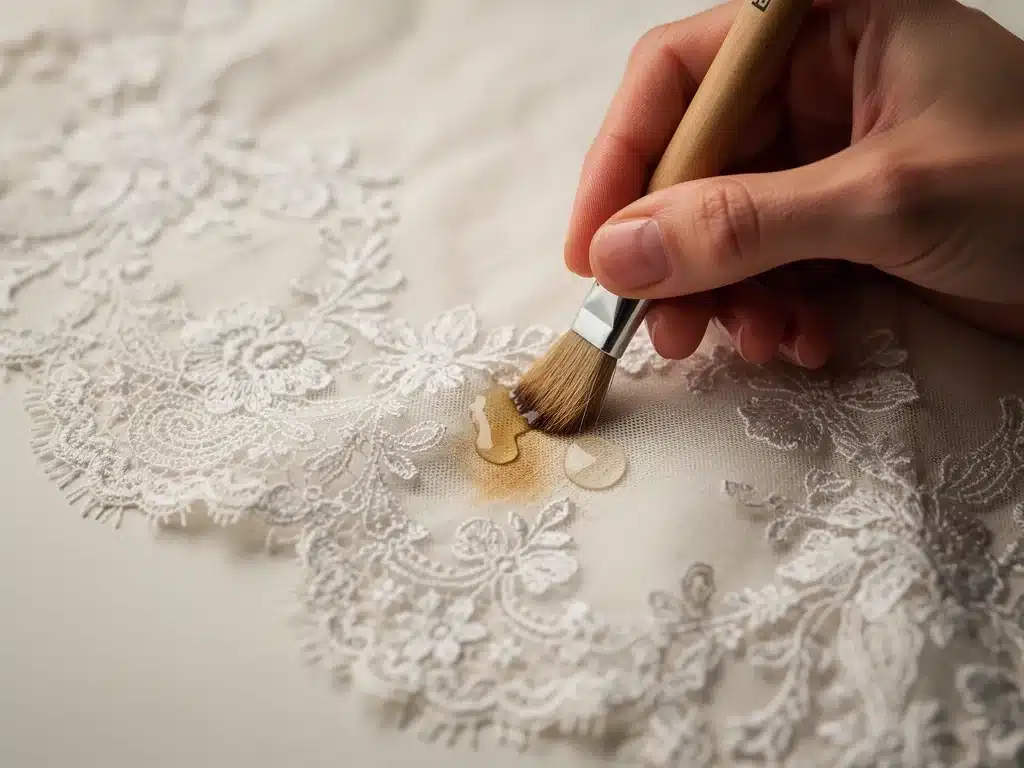
Preserving the integrity of delicate vintage fabrics is crucial, necessitating a meticulous approach to cleaning that avoids common pitfalls leading to irreversible damage, thereby extending the life and beauty of these irreplaceable garments.
Owning vintage clothing is a unique pleasure, a tangible connection to the past, but the joy of these pieces comes with a significant responsibility: their proper care. When it comes to cleaning vintage fabrics, the stakes are high; a single misstep can lead to irreversible damage, stripping away not only the fabric’s beauty but also its historical value. This guide will walk you through expert tips and, crucially, highlight three common mistakes you absolutely must avoid to keep your cherished items in pristine condition.
Advertisements
Understanding the Vulnerability of Vintage Textiles
Vintage textiles, by their very nature, are more fragile than their modern counterparts. Years of exposure to light, dust, and environmental fluctuations can weaken fibers, making them susceptible to damage from even seemingly gentle cleaning methods. Recognizing this inherent vulnerability is the first step in successful preservation.
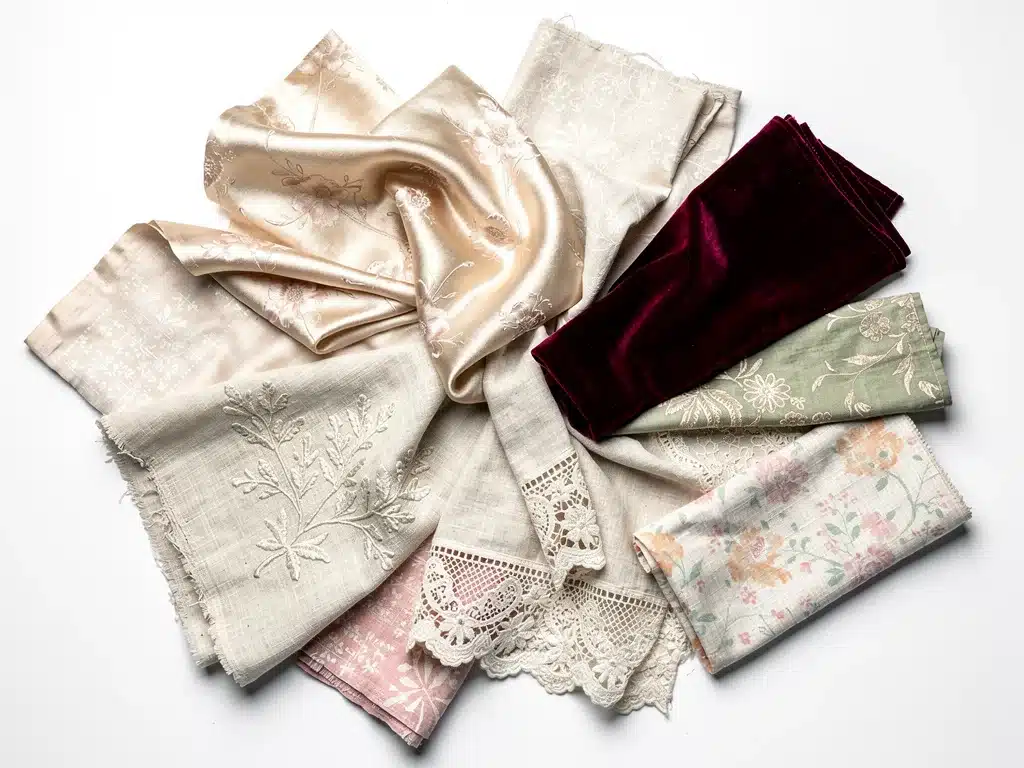
The aging process affects different fibers in unique ways. Natural fibers like silk, wool, and cotton can become brittle, discolored, or lose elasticity over time. Synthetic fibers, while often more resilient, can also degrade, leading to issues like yellowing, stiffening, or loss of structural integrity. Understanding the specific fiber content of your vintage piece is paramount before attempting any cleaning.
Fiber Identification and Its Importance
Before you even consider cleaning, you must identify the fiber composition. This isn’t always straightforward with vintage items, as care labels might be absent or faded. However, a thorough understanding of the material dictates the cleaning approach.
- Natural Fibers: Silk, wool, cotton, linen, rayon. Each has specific vulnerabilities and cleaning requirements.
- Synthetics: Nylon, polyester, acetate (often used in earlier vintage pieces). These may react differently to water and chemicals.
- Blends: A mix of fibers can complicate cleaning, often requiring the gentlest method suitable for the most delicate fiber in the blend.
Incorrect fiber identification can lead to disastrous consequences, from shrinkage and color bleeding to complete disintegration of the fabric. Always err on the side of caution and, if unsure, consult with a professional textile conservator. Their expertise can save a beloved garment from irreparable harm.
The age and condition of the fabric also play a critical role. A sturdy cotton dress from the 1960s will likely withstand more than a delicate silk blouse from the 1920s. Assess tears, loose seams, and areas of extreme wear before proceeding, as wet cleaning can exacerbate existing damage. This careful assessment is a fundamental aspect of responsible vintage textile care.
Mistake 1: Ignoring Pre-Cleaning Assessment and Patch Testing
One of the most common and damaging mistakes vintage enthusiasts make is diving into cleaning without a thorough pre-assessment and patch test. This oversight can lead to irreversible color loss, shrinkage, or fiber damage. Every vintage piece tells a story, and its condition dictates its unique cleaning needs.
Before any water or cleaning agent touches your garment, a meticulous inspection is essential. Look for weak spots, existing tears, loose embellishments, or areas of heavy soiling. These details will inform your cleaning strategy and help you decide if professional intervention is necessary. Ignoring these initial steps is akin to performing surgery without diagnosis – risky and often detrimental.
The Critical Role of Patch Testing
Even after identifying the fiber, you cannot assume a cleaning solution will react predictably. Dyes in vintage fabrics, especially, can be unstable due to age or the original dyeing processes. This is where patch testing becomes indispensable.
- Locate an inconspicuous area: A hidden seam, an inner hem, or the underside of a collar are ideal spots.
- Apply a tiny amount of your chosen cleaning agent: Use a cotton swab or a dropper to apply a small, controlled amount.
- Observe for adverse reactions: Look for color bleeding, fading, changes in texture, or any other signs of damage.
Allow the patch test area to dry completely before making a final assessment. Some reactions, like slight discoloration, might only become apparent after drying. If any negative reaction occurs, do not proceed with that cleaning method. It’s far better to find an alternative or seek professional help than to ruin the entire garment. This step, while seemingly minor, is a cornerstone of safe vintage fabric care.
Mistake 2: Using Harsh Chemicals or Machine Washing
The allure of convenience often leads to the second major mistake: subjecting delicate vintage fabrics to harsh modern cleaning methods. Machine washing, even on a gentle cycle, and the use of strong detergents or bleaching agents can be catastrophic for aged textiles. These methods are designed for contemporary, more resilient fabrics, not the fragile materials of yesteryear.
Vintage fibers have often lost their natural oils and elasticity, making them brittle. The agitation of a washing machine can cause tears, snags, and irreversible stretching or shrinkage. Similarly, modern detergents contain enzymes and surfactants that, while effective on tough stains, can strip vintage dyes, weaken fibers, and leave behind residues that attract more dirt over time. Bleach, even in diluted forms, is almost always a no-go for vintage items, as it can cause yellowing, fiber degradation, and permanent damage.
Gentle Hand Washing Techniques
For many vintage garments, hand washing is the safest and most effective option. This method allows for precise control over the cleaning process, minimizing stress on the fabric.
- Use a clean basin: Ensure your basin or tub is thoroughly clean and free of any chemical residues.
- Opt for specialized mild detergents: Choose pH-neutral soaps specifically formulated for delicate fabrics or historical textiles. Avoid anything with harsh chemicals, brighteners, or strong perfumes.
- Lukewarm water only: Hot water can set stains, cause shrinkage, and damage delicate fibers. Cold or lukewarm water is generally safest.
- Gentle agitation: Swirl the garment gently in the water; never scrub, twist, or wring. Allow it to soak for a short period, typically no more than 10-15 minutes.
- Thorough rinsing: Rinse the garment multiple times in clean, lukewarm water until all soap residue is gone. Residual soap can attract dirt and cause discoloration.
Even with hand washing, careful handling is crucial. Support the garment’s weight when lifting it from the water to prevent stretching or tearing. For particularly fragile items, consider placing them in a mesh laundry bag before immersing them in water to provide additional support. The goal is to clean effectively without compromising the fabric’s structural integrity.
Mistake 3: Improper Drying and Storage Methods
The cleaning process doesn’t end when the garment is rinsed; improper drying and storage can undo all your careful work and constitute the third major mistake. How you dry and store vintage fabrics significantly impacts their longevity and appearance. Rushing the drying process or storing items incorrectly can lead to mildew, permanent creases, stretching, or accelerated deterioration.
Never put vintage items in a machine dryer. The high heat and tumbling action are far too aggressive for delicate, aged fibers, causing shrinkage, fading, and irreparable damage. Similarly, hanging heavy, wet garments can cause them to stretch out of shape, especially knits or bias-cut fabrics. The weight of the water can pull the fibers down, distorting the garment’s original silhouette.
Best Practices for Drying and Storage
Proper drying is a slow and gentle process, designed to allow the fabric to return to its natural state without stress.
- Roll in a clean towel: After rinsing, gently press out excess water by rolling the garment in a clean, absorbent towel. Do not wring.
- Lay flat to dry: For most delicate vintage items, laying them flat on a clean, dry surface (like a mesh drying rack or a fresh towel) is ideal. Reshape the garment to its original dimensions as it dries.
- Avoid direct sunlight or heat: Dry indoors, away from direct sunlight, radiators, or other heat sources, which can cause fading or damage fibers.
- Ensure complete dryness: Before storing, ensure the garment is absolutely dry to prevent mildew growth, which can permanently stain and weaken fabric.
Once dry, proper storage is equally vital. Store vintage clothing in breathable, acid-free garment bags or boxes. Avoid plastic bags, which can trap moisture and chemicals, leading to yellowing or degradation. Use padded hangers for items that must be hung, to prevent shoulder distortion. Keep your vintage collection in a cool, dark, and dry environment, away from direct light, humidity fluctuations, and pests. These careful steps ensure your treasures remain beautiful for generations.
Special Considerations for Embellished and Structured Vintage Pieces
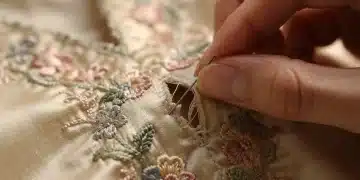
Beyond the fabric itself, many vintage garments feature intricate embellishments, delicate lace, or unique structural elements that require additional attention during cleaning. Sequins, beads, embroidery, and delicate trims can be particularly vulnerable to water, friction, and cleaning agents. Ignoring these details is another common oversight that can lead to irreversible damage, compromising the garment’s aesthetic and historical integrity.
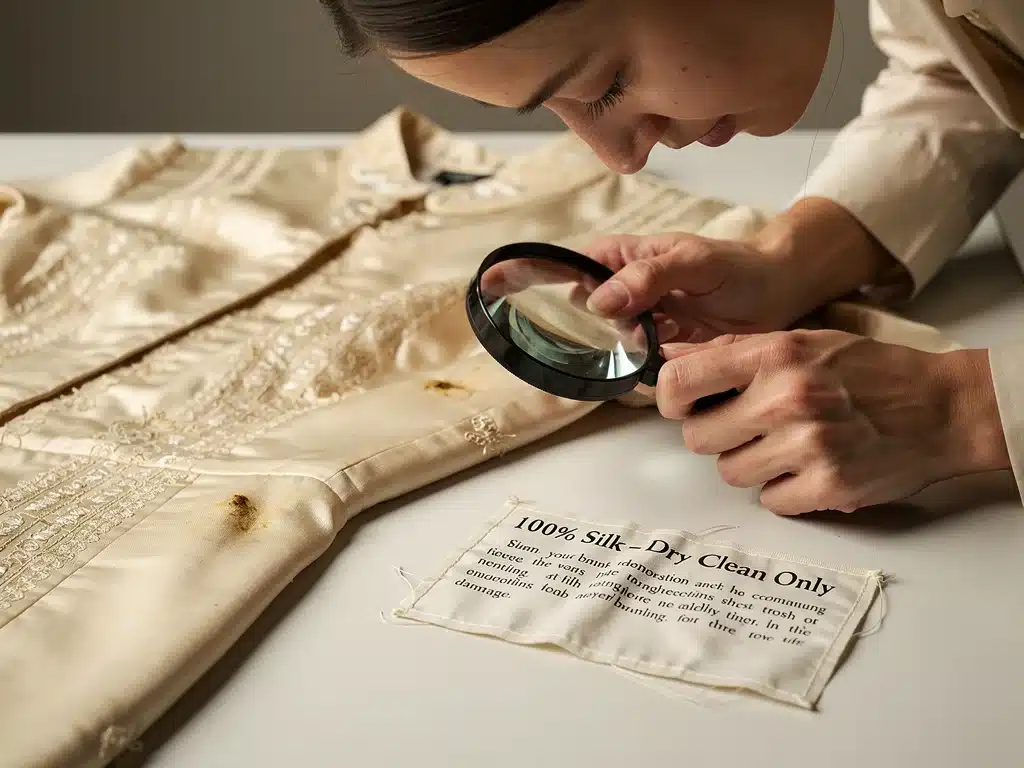
For heavily embellished items, or those with delicate lace inserts, wet cleaning might not be the best approach. Water can loosen threads, cause beads to fall off, or even dissolve certain types of older glues used to attach embellishments. Furthermore, some dyes in older sequins or beads can bleed onto the main fabric when wet, creating new, intractable stains. A thorough initial assessment is crucial here to determine if the embellishments can withstand any cleaning method.
Targeted Cleaning for Embellishments and Structures
When dealing with complex vintage pieces, a targeted approach is often necessary. This might involve spot cleaning, dry cleaning, or professional conservation.
- Spot Cleaning: For small stains on embellished areas, careful spot cleaning with a minimal amount of appropriate solution can be effective. Always test on an inconspicuous area first, and use a cotton swab to apply and blot.
- Professional Dry Cleaning: For items that cannot be wet-cleaned, professional dry cleaning by a cleaner specializing in vintage or delicate garments may be an option. Ensure they use a gentle, non-aggressive solvent and are aware of the garment’s vintage nature.
- Textile Conservators: For highly valuable, extremely fragile, or historically significant pieces, consulting a textile conservator is highly recommended. They possess the expertise and specialized equipment to clean and restore items without causing damage.
Structured garments, like those with boning, stiff interlinings, or complex draping, also need careful consideration. Wet cleaning can distort these structures, causing them to lose their shape. In such cases, surface cleaning or professional intervention is often the safest route. Remember, the goal is always preservation, and sometimes, that means opting for the least invasive cleaning method possible, or no cleaning at all if the risk of damage is too high.
The Importance of Professional Conservation
While DIY cleaning tips can be helpful for many vintage garments, there are instances where professional conservation is not just recommended, but essential. Understanding when to seek expert help is a critical aspect of responsible vintage care and can prevent devastating mistakes. Attempting to clean a truly fragile or historically significant piece yourself can lead to irreversible damage, diminishing its value and historical integrity.
Professional textile conservators have specialized training, equipment, and knowledge of historical textiles and their unique vulnerabilities. They can accurately identify fibers, dyes, and construction methods, and determine the safest and most effective cleaning and preservation techniques. Their facilities are often climate-controlled and equipped to handle delicate items without causing further stress or damage. They also have access to specialized solvents and cleaning agents that are not available to the general public and understand how to use them safely.
When to Call a Professional
Knowing when to hand over your cherished vintage item to a professional can save it from ruin. Here are key indicators:
- Extreme Fragility: If the fabric feels brittle, shows significant signs of decay, or has extensive tears or holes, it’s best left to an expert.
- Unknown Fiber Content/Dye Stability: If you cannot confidently identify the fabric or are unsure about the dye’s stability (even after patch testing), a conservator can conduct more advanced tests.
- Heavy Embellishments/Complex Construction: Garments with delicate beads, sequins, metallic threads, or intricate embroidery, as well as those with complex tailoring or boning, often require professional handling.
- Water-Sensitive Materials: Some materials, like certain types of velvet, heavily starched items, or those with water-soluble adhesives, should not be wet-cleaned at home.
- Historical Significance/High Value: For items with significant historical value or high monetary worth, the risk of DIY cleaning is simply too great.
A professional conservator can not only clean but also repair and stabilize vintage textiles, ensuring their longevity. They can offer advice on long-term storage solutions tailored to your specific garment, further safeguarding your investment. Investing in professional conservation is an investment in the preservation of history and the enduring beauty of your vintage collection.
Long-Term Care and Prevention Strategies
Beyond cleaning, effective long-term care and preventative measures are paramount to preserving delicate vintage fabrics. Cleaning is a periodic necessity, but daily habits and storage solutions play an equally vital role in extending the life of your treasured garments. Proactive prevention minimizes the need for aggressive cleaning, which in itself can be stressful for aged textiles. Ignoring these ongoing care strategies can lead to cumulative damage, making future restoration more challenging and costly.
Environmental factors are often the silent destroyers of vintage textiles. Exposure to direct sunlight, fluctuating humidity, and even common household dust can contribute to fading, deterioration, and the attraction of pests. A consistent, controlled environment is key. Think of your vintage collection as a museum exhibit – it requires careful management to prevent degradation over time. This holistic approach to care ensures that your efforts in cleaning are not undermined by subsequent neglect.
Creating an Optimal Environment for Vintage Fabrics
Establishing the right storage conditions is crucial for the long-term health of your vintage collection. This involves controlling several key environmental variables.
- Temperature and Humidity Control: Store items in a cool, stable environment, ideally between 65-75°F (18-24°C) with relative humidity between 40-50%. Avoid basements or attics where conditions fluctuate wildly.
- Light Exposure: Store garments in darkness. UV rays from sunlight and even artificial light can cause irreversible fading and fiber degradation. Use acid-free tissue paper or opaque garment bags for protection.
- Pest Management: Moths, silverfish, and other pests are attracted to natural fibers. Use cedar blocks, lavender sachets, or pheromone traps, but avoid mothballs, which can leave a lasting odor and chemical residue. Regularly inspect your collection for any signs of infestation.
- Proper Support: Fold heavy items or those with delicate embellishments in acid-free tissue paper to prevent stress points. Hang lighter items on padded hangers to avoid stretching and distortion.
Regular, gentle airing of garments can also be beneficial, allowing fibers to breathe and preventing mustiness. Always handle vintage items with clean hands, as oils and dirt from your skin can transfer to the fabric. By implementing these long-term care and prevention strategies, you create a protective shield around your delicate vintage fabrics, ensuring their beauty and integrity endure for many years to come.
| Key Point | Brief Description |
|---|---|
| Pre-Cleaning Assessment | Thoroughly inspect items for damage and conduct patch tests before any cleaning to prevent color loss or fiber damage. |
| Avoid Harsh Cleaning | Never machine wash or use strong chemicals on vintage fabrics; opt for gentle hand washing with specialized mild detergents. |
| Proper Drying & Storage | Air dry flat, away from heat and sunlight. Store in breathable, acid-free materials in a cool, dark, and dry environment. |
| Professional Help | Consult textile conservators for highly fragile, valuable, or complex vintage items to ensure their preservation. |
Frequently Asked Questions About Vintage Fabric Care
Identifying vintage fabric often involves a burn test on an inconspicuous thread (if safe), texture analysis, and visual cues. Natural fibers like silk or wool will burn differently than synthetics. Consulting a textile expert or using online guides with detailed descriptions of vintage fabrics can also be very helpful.
While vinegar and baking soda are natural cleaners, their acidity or alkalinity can be too harsh for delicate vintage fabrics, potentially causing discoloration, fiber damage, or setting stains. It’s generally safer to use pH-neutral, specialized detergents designed for antique textiles, and always perform a patch test first.
For significant stains on vintage garments, it’s often best to consult a professional textile conservator. Attempting to remove old, set-in stains yourself can spread them, damage the fibers, or remove original dyes. Professionals have specialized techniques and solutions to tackle tough stains safely without compromising the fabric.
Delicate vintage clothing should be cleaned as infrequently as possible to minimize wear and tear. Clean only when visibly soiled, or if it has been worn against the skin. For items worn occasionally, airing them out and spot cleaning minor marks is often sufficient, reducing the need for full immersion washes.
No, dry cleaning is not always safe for vintage items. While it avoids water, certain dry cleaning solvents can still be too aggressive for older dyes or delicate fibers, causing damage or yellowing. Always choose a dry cleaner experienced with vintage and delicate textiles, and ensure they use gentle, non-aggressive methods.
Conclusion
Caring for delicate vintage fabrics is an art form, a blend of knowledge, patience, and reverence for history. By understanding the inherent fragility of these textiles and diligently avoiding the three common mistakes discussed—neglecting pre-cleaning assessment, using harsh cleaning methods, and improper drying/storage—you can significantly extend the life and beauty of your cherished vintage pieces. Remember, when in doubt, seeking professional conservation advice is always the wisest choice, ensuring that these tangible links to the past continue to tell their stories for generations to come. Your careful attention preserves not just a garment, but a piece of history.