Vintage Sizing: 2026 Guide to Perfect Fit Across Decades
Advertisements
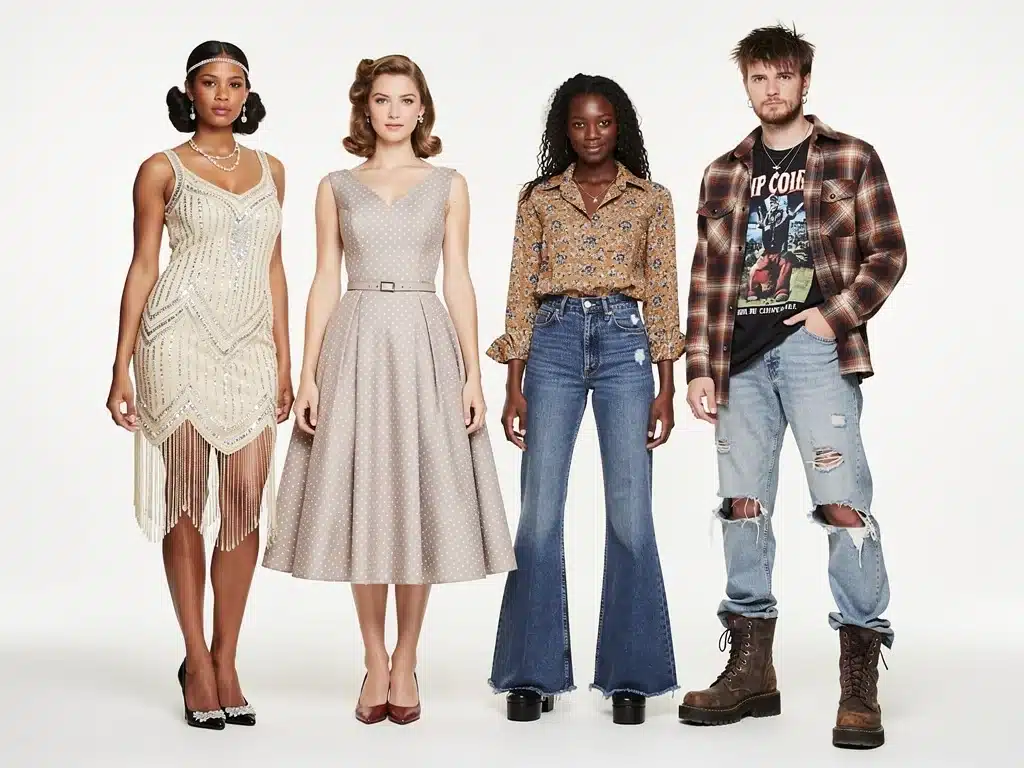
Understanding vintage clothing sizes is essential for successful purchases, as historical sizing conventions differ significantly from modern standards, requiring careful measurement and comparison for an ideal fit.
Have you ever fallen in love with a stunning vintage piece online or in a boutique, only to hesitate because of the confusing sizing? In 2026, the allure of pre-loved fashion is stronger than ever, but mastering vintage sizing guide remains a significant hurdle for many. This comprehensive guide will demystify the process, helping you confidently navigate the unique measurement standards of yesteryear and achieve that coveted perfect fit across decades.
Advertisements
The Evolution of Sizing: Why Vintage is Different
The fashion industry’s approach to sizing has undergone a dramatic transformation over the decades. What was considered a size 8 in the 1950s is vastly different from a modern size 8, leading to considerable confusion for contemporary shoppers. This discrepancy isn’t just about vanity sizing; it reflects shifts in manufacturing, societal body ideals, and the standardization of measurements.
Before the mid-20th century, sizing was often less standardized, relying more on custom tailoring or general classifications like ‘small,’ ‘medium,’ and ‘large.’ As ready-to-wear fashion became more prevalent, manufacturers began implementing their own sizing charts, which varied wildly from brand to brand and even year to year. This lack of universal agreement means that a numerical size on a vintage label is rarely directly comparable to its modern equivalent.
Understanding this historical context is the first step in successful vintage shopping. It’s not about your modern size; it’s about understanding the garment’s actual dimensions and how they relate to your body. Ignoring this fundamental difference is the quickest way to end up with ill-fitting clothes, no matter how beautiful the piece.
Moreover, the materials used in vintage clothing often have less stretch than modern fabrics, making precise measurements even more critical. A modern dress might forgive a slight measurement discrepancy due to elastane content, but a rigid cotton or silk vintage piece demands accuracy. This section lays the groundwork for appreciating why a dedicated vintage sizing guide is indispensable.
Decoding Vintage Labels: A Decade-by-Decade Breakdown
Vintage labels offer a glimpse into the past, but their sizing information can be cryptic. Each decade brought its own fashion silhouettes and, consequently, different approaches to garment construction and sizing. Knowing what to expect from specific eras can significantly aid your search for the perfect fit.
1920s and 1930s: Flapper Fits and Bias Cuts
The flapper era emphasized a more relaxed, columnar silhouette. Dresses often hung straight from the shoulder, with waistlines dropped to the hips. Sizing from this period tends to be less about a defined waist and more about the bust and hip measurements, as well as overall length. Bias-cut garments, common in the 1930s, offered a bit more drape and flexibility, but still required careful attention to the key body measurements.
1940s and 1950s: Structured Silhouettes and Defined Waists
Post-war fashion saw a return to more structured, feminine forms. The 1940s featured broad shoulders and nipped waists, while the 1950s celebrated cinched waists and voluminous skirts. Sizing from these decades is often based on true bust, waist, and hip measurements, with little room for error. A size 12 from the 1950s might correspond to a modern size 4 or 6, highlighting the dramatic shift in numerical assignments.
1960s and 1970s: Youthquake and Bohemian Flair
The 1960s brought the mod look and shift dresses, often less fitted through the waist. The 1970s embraced bohemian styles, with flowing fabrics and looser cuts. While some pieces might offer more flexibility, tailored items like jackets and trousers still demand precise measurements. Pay close attention to shoulder width and inseam lengths for these decades.
Understanding these decade-specific nuances helps you anticipate how a garment might fit and what measurements will be most critical. Always consult the seller’s provided measurements, as they are your most reliable resource. This historical perspective is a cornerstone of any effective vintage sizing guide.
The Golden Rule: Always Measure Your Body
The single most important piece of advice for buying vintage clothing is to ignore the size tag and focus solely on measurements. Your modern size is irrelevant when dealing with vintage garments. Instead, you need to know your precise body measurements and compare them directly to the garment’s dimensions.
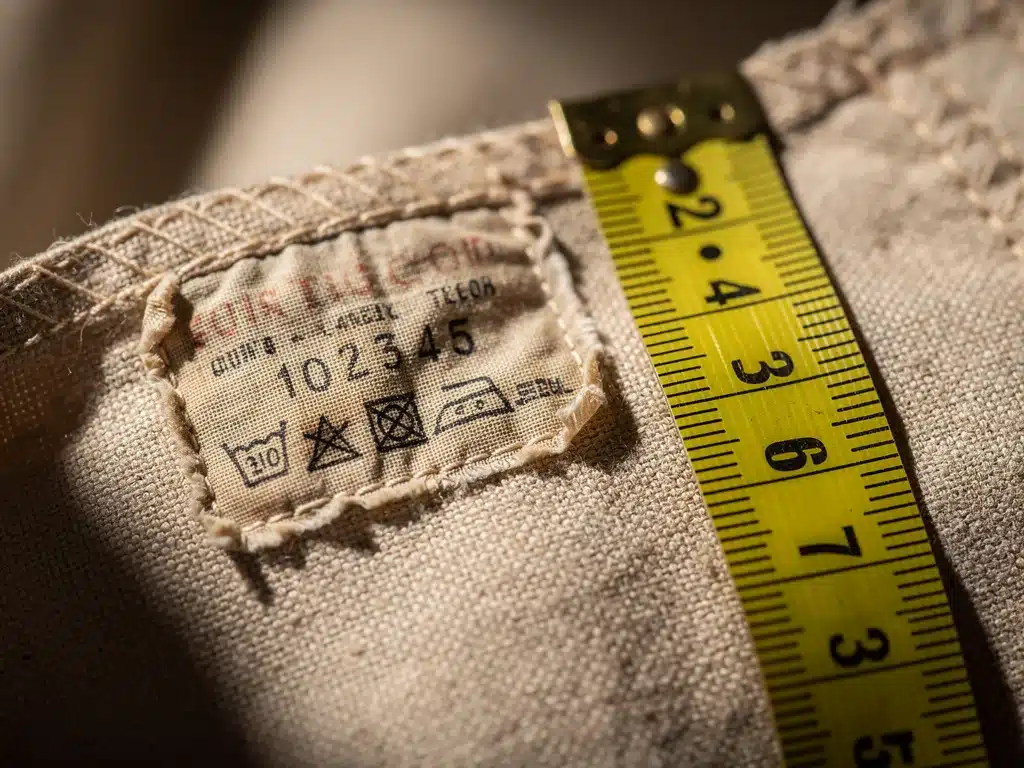
Before you even begin browsing, take accurate measurements of your bust, waist, hips, shoulder width, and inseam. For dresses, also consider shoulder-to-hem length. Use a flexible tape measure and ensure it’s snug but not tight. Here’s how to get it right:
- Bust: Measure around the fullest part of your chest, typically across your nipples.
- Waist: Measure around the narrowest part of your torso, usually just above your navel.
- Hips: Measure around the fullest part of your hips and buttocks.
- Shoulder Width: Measure straight across your back from shoulder seam to shoulder seam (if measuring a garment) or from the outer edge of one shoulder to the other.
- Inseam: For pants, measure from the crotch seam down to the ankle.
Keep these measurements handy when shopping. It’s also wise to consider the type of undergarments you plan to wear with the vintage piece, as they can subtly alter your body shape and measurements. This fundamental step is non-negotiable for anyone serious about mastering a vintage sizing guide.
Understanding Garment Measurements vs. Body Measurements
When a seller provides garment measurements, it’s crucial to understand what those numbers represent and how they compare to your own body. Garment measurements are typically taken with the item laid flat, so you’ll often see them listed as ‘half’ measurements (e.g., ‘bust 18 inches flat’ means a 36-inch bust circumference).
Always double the flat measurements to get the full circumference. For instance, if a dress has a flat bust measurement of 18 inches, the actual bust circumference is 36 inches. You then compare this 36 inches to your own bust measurement. It’s generally recommended to allow for a little ‘wiggle room’ or ease, especially for non-stretch fabrics. For most vintage items, aim for garment measurements that are 1-2 inches larger than your body measurements in key areas like the bust and waist.
Key garment measurements to check:
- Bust: Pit-to-pit seam doubled.
- Waist: Narrowest point of the garment doubled.
- Hips: Widest point of the garment doubled.
- Shoulder to Shoulder: Across the back, from seam to seam.
- Length: From the top of the shoulder (or highest point of the garment) to the hem.
- Sleeve Length: From the shoulder seam to the cuff.
Do not assume anything about fit based on a numerical size. Always ask for specific garment measurements if they are not provided. A reputable vintage seller will always have these readily available or be willing to take them for you. This meticulous comparison is what truly makes a vintage sizing guide effective.
The Importance of Ease and Fit Preferences
Beyond simply matching numbers, understanding ‘ease’ and your personal fit preferences is vital for vintage clothing. Ease refers to the extra room in a garment beyond your body measurements, allowing for movement and comfort. The amount of ease needed varies depending on the garment type and the desired look.
For example, a tailored jacket will require less ease than a flowing bohemian dress. A dress from the 1950s designed to be tightly fitted at the waist might only have 1 inch of ease, while a 1920s flapper dress could have several inches for a looser, more relaxed silhouette. Consider the fabric’s drape and stretch properties; rigid fabrics require more ease than those with a slight give.
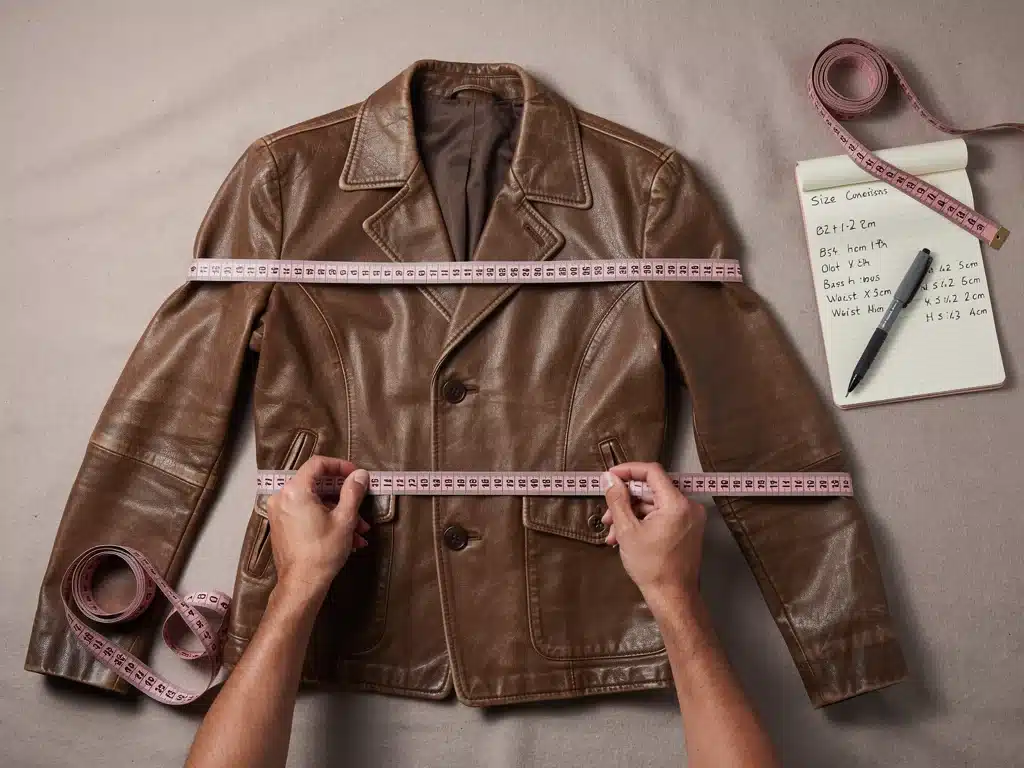
Your personal style also plays a role. Do you prefer a very snug, form-fitting look, or do you gravitate towards more relaxed, comfortable styles? Factor this into your measurement comparisons. If a garment’s measurements are exactly your body measurements, it will likely be uncomfortably tight, especially in woven, non-stretch fabrics.
When in doubt, it’s often better to size up slightly, as vintage garments can usually be altered down by a skilled tailor. Taking a piece in is generally much easier and less expensive than trying to let it out, which is often impossible due to seam allowances or fabric limitations. This strategic approach to ease is a hallmark of an expert vintage sizing guide.
Navigating Online Vintage Shopping: Tips and Tricks
Shopping for vintage online can be incredibly rewarding, but it also presents unique challenges, particularly when it comes to sizing. Without the ability to try on garments, meticulous research and communication with sellers become paramount. A little extra effort upfront can save you from disappointment and the hassle of returns.
Essential Online Shopping Strategies:
- Read Descriptions Carefully: Pay close attention to all details provided, including fabric content, condition, and any specified measurements.
- Ask for More Measurements: If a listing doesn’t include all the measurements you need (e.g., shoulder width for a top, rise for pants), don’t hesitate to ask the seller. Most reputable sellers are happy to provide additional information.
- Request Try-On Photos: Sometimes, seeing the garment on a model (even if not your exact size) can give you a better sense of its drape and proportion.
- Check Return Policies: Understand the seller’s return policy before purchasing, especially for high-value items. Some vintage stores have strict no-return policies due to the unique nature of their inventory.
- Consult Size Charts (if available): Some online vintage stores create their own generic size charts as a rough guide, but always prioritize actual garment measurements.
Remember that screen colors can vary, and fabric textures might look different in person. Focus on the hard data—the measurements—to make your decision. Don’t be swayed by a beautiful photo alone. Developing these habits will make you a much savvier vintage shopper, fully leveraging any vintage sizing guide.
Maintaining Your Vintage Finds: Care and Preservation
Once you’ve successfully navigated the world of vintage sizing and found your perfect pieces, proper care and preservation are essential to ensure they last for years to come. Vintage fabrics and construction methods can be delicate and require special attention, differing significantly from modern garment care.
Key Vintage Care Practices:
- Read Care Labels (if present): Many older garments lack care labels, but if one exists, follow its instructions carefully.
- Spot Clean First: For minor stains, try spot cleaning with a gentle, pH-neutral cleaner. Always test on an inconspicuous area first.
- Hand Washing Preferred: For most delicate vintage items, hand washing in cool water with a mild detergent is the safest option. Avoid harsh chemicals or aggressive scrubbing.
- Professional Dry Cleaning: For structured garments, wool, silk, or heavily embellished pieces, professional dry cleaning by a reputable cleaner experienced with vintage textiles is often the best choice. Inform them the item is vintage.
- Air Dry: Always air dry vintage garments flat or on a padded hanger, away from direct sunlight or heat. Avoid machine dryers, as they can cause shrinkage, damage delicate fibers, and accelerate wear.
- Proper Storage: Store vintage clothing in breathable garment bags, away from direct light, humidity, and pests. Use padded hangers for heavy items to prevent stretching or distortion.
Understanding the age and fabric composition of your vintage items will guide your care decisions. A 1920s silk dress will require different handling than a 1970s polyester blouse. Investing in proper care not only preserves your unique finds but also extends their lifespan, making your successful vintage sizing efforts truly worthwhile. This final step completes the journey of any comprehensive vintage sizing guide.
| Key Aspect | Brief Description |
|---|---|
| Historical Sizing Shifts | Vintage sizes differ greatly from modern ones due to evolving manufacturing and body ideals. |
| Measure Your Body | Always use your precise body measurements (bust, waist, hips) for accurate comparison. |
| Garment vs. Body Measurements | Compare doubled flat garment measurements to your body with 1-2 inches of ease. |
| Online Shopping Tips | Request measurements, read descriptions, and check return policies for online purchases. |
Frequently Asked Questions About Vintage Sizing
Vintage sizing varies significantly from modern sizing due to a lack of standardization across manufacturers and decades, as well as shifts in societal body ideals and manufacturing practices. Modern vanity sizing has also contributed to numerical discrepancies.
The most crucial measurements are bust, waist, and hips. For specific garments, also consider shoulder width, sleeve length, and inseam for pants. Always compare these to the actual garment measurements, not just the tag size.
It’s generally recommended to allow 1-2 inches of ease (extra room) in a vintage garment, especially for woven, non-stretch fabrics. This ensures comfort and freedom of movement. Tightly fitted items might require less, while loose-fitting styles will have more.
It is almost always better to buy a vintage garment that is slightly too big rather than too small. A skilled tailor can often alter a larger item to fit perfectly, whereas letting out a garment that is too small is frequently impossible due to limited seam allowances.
While some vintage size charts can offer a general idea, they should never replace actual garment measurements. Sizing varied significantly even within the same decade and brand. Always prioritize detailed measurements provided by the seller or take them yourself.
Conclusion
Mastering the art of vintage sizing guide is perhaps the most critical skill for any enthusiast of pre-loved fashion. By understanding the historical context of sizing, meticulously measuring your body, and diligently comparing those to garment dimensions with an allowance for ease, you unlock a treasure trove of unique and sustainable style. The journey of finding a perfectly fitting vintage piece is incredibly rewarding, offering a sense of individuality and connection to fashion history that modern fast fashion simply cannot replicate. Embrace the tape measure, communicate openly with sellers, and you’ll confidently build a wardrobe filled with timeless, perfectly tailored vintage finds for 2026 and beyond.