Supply Chain Resilience in 2026: US Business Adaptation

Advertisements
By 2026, US businesses are fundamentally reshaping their supply chains to enhance resilience, strategically adapting to evolving global dynamics through diversified sourcing, advanced technology, and robust risk management frameworks.
The landscape of global commerce is perpetually shifting, and by 2026, the imperative for supply chain resilience in 2026 has become more critical than ever for US businesses.
Recent years have exposed vulnerabilities, prompting a fundamental re-evaluation of how goods move from production to consumption.
Advertisements
This article explores the innovative strategies and proactive measures American enterprises are implementing to navigate new global dynamics, ensuring continuity and fostering sustainable growth.
The evolving global landscape and its impact on US supply chains
The global economic and political landscape is changing quickly, creating both opportunities and risks for US businesses. Geopolitical tensions, trade disputes, and shifting regulations can disrupt access to materials and international markets.
Climate-related events and technological changes are also affecting transportation, production, and supplier reliability. These pressures can increase costs, delay deliveries, and expose weaknesses across the supply chain.
Understanding these forces is essential for building greater resilience. Companies that diversify suppliers, improve visibility, and prepare contingency plans will be better equipped to respond to future disruptions.
Geopolitical shifts and trade policies

Geopolitical shifts, such as trade disputes and regional conflicts, have forced many US companies to reconsider their reliance on single-source suppliers or specific geographic regions.
New trade policies, tariffs, and sanctions can emerge with little warning, creating immediate disruptions. Businesses are now placing a higher premium on agility and the ability to pivot quickly in response to these changes.
This involves not only monitoring political developments but also building relationships with suppliers in diverse, politically stable regions.
- Diversification of sourcing locations
- Monitoring political stability indices
- Adherence to evolving trade compliance regulations
- Building strong relationships with trade associations
Climate change and extreme weather events
The increasing frequency and intensity of extreme weather events pose a direct threat to infrastructure and logistics. Hurricanes, floods, and wildfires can halt production, damage transportation routes, and delay shipments.
US businesses are integrating climate risk assessments into their supply chain planning, identifying vulnerable points and developing contingency plans. This includes investing in climate-resilient infrastructure and exploring alternative transportation methods.
The need for adaptability in the face of environmental challenges cannot be overstated. Companies are not just reacting but proactively designing their supply chains to withstand future shocks. This long-term perspective is crucial for maintaining operational continuity and protecting assets.
In conclusion, the global landscape in 2026 demands a proactive and adaptive approach to supply chain management. US businesses are increasingly aware that external forces are not merely inconveniences but fundamental elements that must be integrated into their strategic planning for enduring resilience.
Diversification and nearshoring: reducing reliance on single points of failure
By 2026, diversification and nearshoring are expected to play a central role in US supply chain strategy. Recent global disruptions revealed the risks of depending heavily on a small group of suppliers or distant production centers.
Companies are responding by expanding their supplier networks and moving more operations closer to the US market. This approach can reduce transportation delays, improve oversight, and limit exposure to international disruptions.
A broader and more regional supply base may strengthen resilience while supporting faster responses to demand changes. Businesses that balance cost, reliability, and geographic risk will be better prepared for future uncertainty.
The strategic advantages of multi-sourcing
Multi-sourcing, or using multiple suppliers for the same component or product, provides a crucial buffer against disruptions. If one supplier faces issues due to natural disasters, geopolitical events, or production problems, alternative sources can step in to maintain continuity.
This strategy not only enhances resilience but also fosters competition among suppliers, potentially leading to better pricing and quality.
Furthermore, diversifying suppliers across different geographic regions means that regional disruptions are less likely to cripple the entire supply chain. This geographic spread is a cornerstone of building robust systems capable of absorbing shocks without complete failure.
The investment in identifying and vetting new suppliers is considerable, but the long-term benefits in terms of stability and reduced risk are proving invaluable.
Nearshoring and reshoring initiatives
Nearshoring, the practice of moving production to closer geographic locations, and reshoring, bringing manufacturing back to the United States, are gaining significant traction. These initiatives reduce lead times, lower transportation costs, and minimize exposure to international shipping complexities.
They also offer greater control over quality and intellectual property, while often aligning with consumer preferences for domestically produced goods.
- Reduced transportation costs and lead times
- Enhanced quality control and intellectual property protection
- Improved visibility and responsiveness to demand changes
- Support for local economies and job creation
While nearshoring and reshoring might involve higher initial labor costs, many US businesses are finding that the overall benefits, including reduced risk and increased flexibility, outweigh these concerns. Automation and advanced manufacturing technologies are also making domestic production more competitive.
This strategic shift is not merely a reaction to past crises but a fundamental rethinking of optimal supply chain architecture for the future.
Ultimately, the move towards diversification and nearshoring reflects a mature understanding of supply chain risk. By spreading their bets and bringing critical operations closer, US businesses are fortifying their ability to withstand unforeseen challenges and maintain operational flow.
Leveraging technology for enhanced visibility and predictive analytics
By 2026, technology has become essential for US businesses seeking stronger supply chain resilience. Advanced digital tools help companies track operations, identify weaknesses, and respond more quickly to disruptions.
Real-time monitoring, predictive analytics, and integrated data platforms improve visibility across suppliers, transportation, and inventory. These capabilities allow organizations to detect potential problems before they become more serious.
With better access to reliable information, businesses can move from reactive decisions to proactive planning. Stronger digital systems support faster responses, lower risks, and more efficient supply chain management.
The power of real-time data and IoT
Real-time data collection, often facilitated by the Internet of Things (IoT) devices, provides unprecedented transparency into supply chain operations.
Sensors on goods, vehicles, and in warehouses can track location, environmental conditions, and inventory levels instantaneously.
This immediate feedback loop allows businesses to identify bottlenecks, potential delays, or quality issues as they arise, enabling swift intervention.
Beyond tracking, IoT data feeds into larger analytical systems, creating a comprehensive picture of the supply chain’s health.
This granular detail is crucial for optimizing logistics, managing inventory more effectively, and responding to unexpected events with greater agility. Companies that integrate IoT robustly are finding themselves far better equipped to handle disruptions.
Artificial intelligence and machine learning for predictive insights
Artificial intelligence (AI) and machine learning (ML) are revolutionizing predictive analytics within supply chains. These technologies can process vast amounts of historical and real-time data to identify patterns, forecast demand fluctuations, and predict potential risks.
From anticipating supplier failures to forecasting weather-related delays, AI-driven insights allow businesses to take preemptive action.
- Predictive demand forecasting
- Proactive risk identification (e.g., supplier solvency, geopolitical instability)
- Optimized inventory management to prevent stockouts or overstocking
- Automated route optimization for logistics efficiency
The ability to anticipate problems before they escalate gives US businesses a significant competitive edge. Instead of reacting to crises, they can implement mitigation strategies, such as rerouting shipments or activating alternative suppliers, well in advance.
This shift from reactive to predictive management is a hallmark of resilient supply chains in 2026. In essence, technology is no longer just an enabler but a cornerstone of supply chain resilience.
By embracing real-time data, IoT, AI, and ML, US businesses are building intelligent, self-optimizing supply chains that can navigate the complexities of the modern global economy with greater confidence and efficiency.
Sustainability and ethical sourcing: building responsible supply chains
By 2026, US businesses are placing greater emphasis on sustainability and ethical sourcing within their supply chain strategies. Environmental responsibility and fair labor practices are becoming important factors in supplier selection.
Consumer expectations and tighter regulations are encouraging companies to improve traceability, reduce emissions, and verify sourcing standards. These actions can strengthen trust while lowering legal and reputational risks.
A resilient supply chain must be both reliable and responsible. Businesses that combine efficiency with sustainable practices will be better positioned for long-term growth and market credibility.
Environmental stewardship and circular economy principles
Environmental concerns are pushing companies to adopt more sustainable practices throughout their supply chains. This includes reducing carbon emissions from transportation, minimizing waste in manufacturing processes, and sourcing materials from renewable or recycled origins.
The principles of the circular economy, focusing on reducing, reusing, and recycling, are being integrated into product design and supply chain operations.
Investing in green logistics, such as electric vehicle fleets or optimized shipping routes to reduce fuel consumption, is becoming standard practice.
Furthermore, businesses are exploring packaging innovations that are biodegradable or easily recyclable, reducing their environmental footprint.
This commitment to environmental stewardship is not only good for the planet but also enhances brand reputation and attracts environmentally conscious consumers.
Ethical labor practices and human rights
Ensuring ethical labor practices and upholding human rights across the supply chain is another paramount concern. US businesses are implementing rigorous due diligence processes to vet suppliers for fair wages, safe working conditions, and the absence of forced or child labor.
Transparency in the supply chain is becoming non-negotiable, allowing consumers and regulators to trace products back to their origins.
- Supplier audits for labor standards
- Certification programs for ethical sourcing
- Traceability solutions for product origins
- Employee training on ethical procurement policies
Companies are recognizing that a lapse in ethical sourcing can lead to significant reputational damage, legal penalties, and consumer backlash.
Proactive engagement with suppliers to improve labor practices, rather than simply cutting ties, is often favored. This collaborative approach helps build stronger, more reliable, and ethically sound supply chain partnerships.
Ultimately, the integration of sustainability and ethical sourcing into supply chain strategies reflects a broader understanding of corporate responsibility.
By building responsible supply chains, US businesses are not only mitigating risks but also contributing to a more equitable and sustainable global economy, aligning their operations with evolving societal values.
Cybersecurity and data integrity: protecting the digital supply chain
As supply chains become more digital and interconnected, cybersecurity risks are growing more serious. By 2026, US businesses are treating data protection as a core part of supply chain resilience.
A cyberattack affecting a supplier, logistics partner, or internal platform can interrupt operations and expose sensitive information. These incidents may also damage customer confidence and business relationships.
Companies must strengthen access controls, monitor third-party risks, and protect the integrity of shared data. A secure digital supply chain is essential for maintaining continuity, trust, and long-term stability.
Fortifying digital infrastructure
Protecting the digital infrastructure that underpins modern supply chains is a top priority. This involves implementing multi-layered security protocols, including advanced firewalls, intrusion detection systems, and encryption for data in transit and at rest.
Regular security audits and penetration testing are essential to identify and address vulnerabilities before they can be exploited by malicious actors.
Furthermore, cloud-based supply chain management systems require robust cloud security measures. Businesses are partnering with cybersecurity experts to ensure their digital assets are protected against evolving threats.
The investment in state-of-the-art cybersecurity tools and expertise is no longer optional but a fundamental requirement for operational stability.
Data integrity and trust in the ecosystem
Maintaining data integrity is crucial for the reliability of predictive analytics and operational decision-making. Corrupted or manipulated data can lead to erroneous forecasts, inefficient logistics, and ultimately, significant financial losses.
US businesses are implementing strict data governance policies, ensuring that data is accurate, consistent, and protected from unauthorized alteration.
- Regular data backups and recovery plans
- Access controls and user authentication protocols
- Blockchain technology for immutable transaction records
- Employee training on data security best practices
The trust among supply chain partners hinges on the assurance of data integrity. Companies are exploring blockchain technology to create immutable and transparent records of transactions and product movements, enhancing accountability and reducing the risk of fraud.
This shared ledger approach can significantly bolster the overall security posture of the entire supply chain ecosystem.
In conclusion, the digital transformation of supply chains brings immense benefits but also introduces new risks. US businesses are proactively addressing these challenges by prioritizing cybersecurity and data integrity, building a secure and trustworthy digital foundation for their resilient operations in 2026 and beyond.
Collaboration and partnerships: building collective resilience
By 2026, US businesses are increasingly relying on collaboration to strengthen supply chain resilience. Strong relationships with suppliers, logistics providers, and other industry partners can improve coordination during disruptions.
Sharing information, forecasts, and risk assessments allows companies to respond faster and make better decisions. Strategic partnerships can also provide access to alternative transportation routes, materials, and production capacity.
Even cooperation between competitors may help address shared challenges such as shortages or infrastructure failures. A connected supply chain ecosystem is better equipped to manage uncertainty and maintain continuity.
Strengthening supplier relationships
Moving beyond transactional interactions, businesses are investing in deeper, more collaborative relationships with their key suppliers.
This involves sharing forecasts, co-developing contingency plans, and even providing support for supplier development. When suppliers are treated as true partners, they are more likely to communicate potential issues early and work collaboratively to find solutions, preventing minor hitches from becoming major disruptions.
Long-term contracts, joint ventures, and shared risk-reward models are some of the ways companies are fostering these stronger ties.
The goal is to create a symbiotic relationship where the success and resilience of one party contribute directly to the resilience of the others. This network effect significantly enhances overall supply chain stability.
Cross-industry collaboration and information sharing
Collaboration is not limited to direct suppliers; cross-industry partnerships and information-sharing initiatives are also gaining traction.
Businesses are realizing that common challenges, such as infrastructure vulnerabilities or emerging regulatory changes, can be addressed more effectively through collective action. Industry associations and consortiums play a vital role in facilitating these dialogues.
- Joint development of industry standards and best practices
- Shared intelligence on emerging risks and threats
- Collaborative investments in shared infrastructure or technology platforms
- Participation in industry-wide crisis response simulations
Even among competitors, there’s a growing understanding that certain aspects of supply chain resilience are pre-competitive.
Sharing insights on broad risk factors or best practices for disaster recovery can benefit all participants, strengthening the entire economic ecosystem. This collective approach to resilience builds a more robust foundation for all.
In summary, collaboration and partnerships are becoming cornerstones of supply chain resilience in 2026.
By working together, US businesses can leverage shared resources, knowledge, and expertise to navigate complex global dynamics, creating a more interconnected and robust supply chain network that benefits everyone involved.
Future outlook: continuous adaptation and innovation
As we look towards the horizon, the journey for US businesses in achieving optimal supply chain resilience in 2026 is one of continuous adaptation and innovation.
The global environment will undoubtedly present new challenges, but the strategies currently being implemented lay a strong foundation for future success.
The focus is not on reaching a static state of resilience but on building dynamic systems capable of evolving with the times.
Embracing a culture of continuous improvement
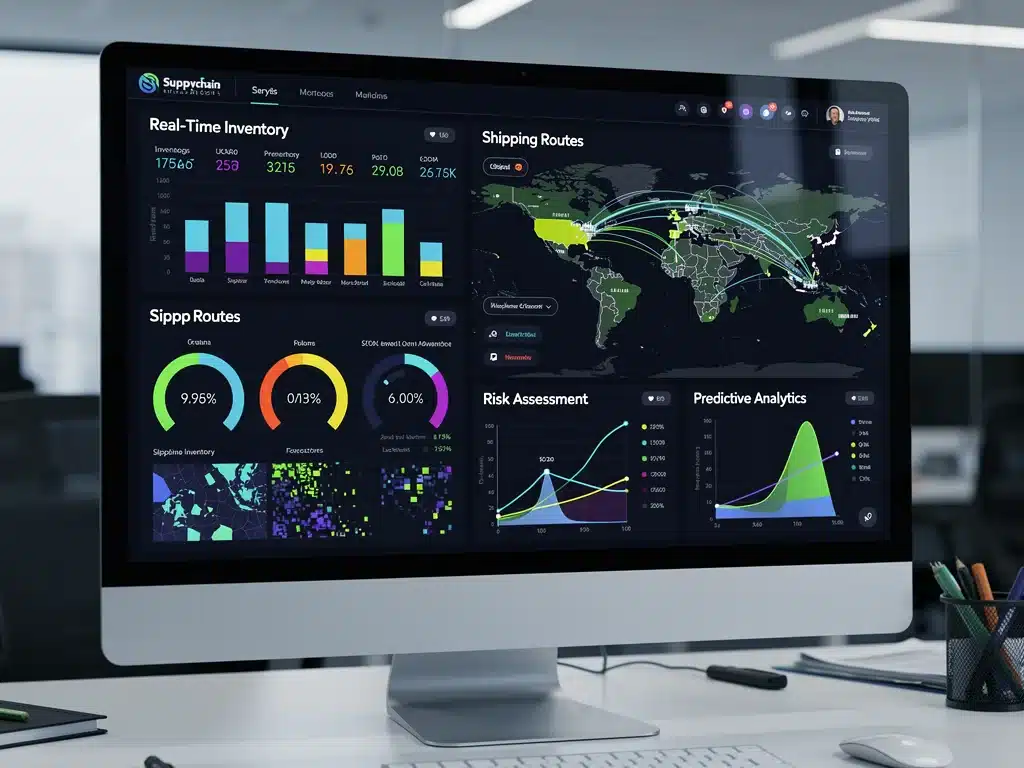
Resilience is not a one-time project but an ongoing process. US businesses are fostering a culture of continuous improvement, regularly reviewing their supply chain strategies, conducting risk assessments, and learning from both successes and failures.
This involves establishing metrics for resilience, monitoring performance, and iterating on processes to enhance adaptability.
Feedback loops from all levels of the supply chain, from front-line logistics personnel to executive management, are crucial for identifying areas for improvement.
This agile approach allows companies to fine-tune their strategies and ensure they remain relevant and effective in a constantly changing world. The ability to learn and adapt quickly is a defining characteristic of future-proof supply chains.
Investing in emerging technologies and talent
The pace of technological innovation shows no signs of slowing, and US businesses are keenly aware of the need to invest in emerging technologies that can further enhance supply chain capabilities.
This includes advanced robotics for automation, quantum computing for complex optimization problems, and further developments in AI and machine learning. Staying ahead of the technological curve is critical for maintaining a competitive edge.
- Research and development into new supply chain technologies
- Training and upskilling the workforce for digital roles
- Experimentation with pilot programs for innovative solutions
- Partnerships with tech startups and academic institutions
Equally important is investing in talent development. The supply chain professionals of tomorrow will need a diverse skill set, encompassing data analytics, technological proficiency, strategic thinking, and strong interpersonal skills for collaboration. Attracting and retaining this talent is paramount for driving innovation and maintaining resilient operations.
In conclusion, the future of supply chain resilience for US businesses in 2026 is bright, provided they remain committed to continuous adaptation and innovation.
By embedding a culture of learning, embracing new technologies, and investing in their people, American enterprises can build supply chains that are not only robust but also capable of thriving amidst future uncertainties and global shifts.
| Key Strategy | Brief Description |
|---|---|
| Diversified Sourcing | Reducing reliance on single suppliers by expanding the vendor base across multiple geographic regions to mitigate risks. |
| Technological Integration | Utilizing AI, ML, and IoT for real-time visibility, predictive analytics, and automated decision-making to anticipate disruptions. |
| Nearshoring/Reshoring | Bringing production closer to home or back to the US to reduce lead times, transportation costs, and geopolitical exposure. |
| Cybersecurity Focus | Fortifying digital infrastructure and ensuring data integrity to protect against cyber threats in increasingly digitized supply chains. |
Frequently asked questions about supply chain resilience in 2026
Supply chain resilience is crucial due to increasing global volatility from geopolitical shifts, climate change, and economic uncertainties. Robust supply chains ensure business continuity, protect revenues, and maintain customer trust amidst unforeseen disruptions, safeguarding long-term stability and growth for US enterprises.
US businesses are leveraging AI, machine learning, and IoT for real-time visibility and predictive analytics. These technologies help forecast demand, identify potential risks, optimize logistics, and automate responses, allowing for proactive mitigation strategies rather than reactive crisis management.
Nearshoring and reshoring reduce lead times, lower transportation costs, and increase control over product quality and intellectual property. These strategies also minimize exposure to international shipping complexities and geopolitical risks, bolstering domestic manufacturing capabilities and job creation within the US.
Sustainability is integral to resilience by addressing environmental risks and enhancing brand reputation. Ethical sourcing, waste reduction, and eco-friendly logistics reduce operational vulnerabilities and align with consumer values, creating more responsible and future-proof supply chains that attract conscious consumers and investors.
Strong partnerships with suppliers, logistics providers, and even industry peers are vital for collective resilience. Collaboration fosters information sharing, joint problem-solving, and shared risk mitigation, creating a robust network that can withstand disruptions more effectively than individual efforts.
Conclusion
The journey towards robust supply chain resilience for US businesses in 2026 is defined by strategic adaptation, technological integration, and a profound commitment to collaboration.
By diversifying sourcing, embracing nearshoring, harnessing the power of AI and IoT, prioritizing cybersecurity, and fostering strong partnerships, American enterprises are not merely reacting to global dynamics but proactively shaping a more stable and sustainable future.
The continuous pursuit of innovation and a culture of perpetual improvement will ensure that US supply chains remain agile, efficient, and capable of thriving amidst any unforeseen challenges that lie ahead.