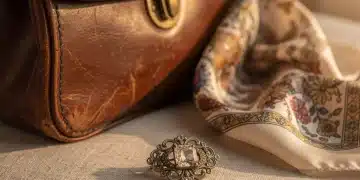
Vintage Fashion’s Role in Modern Design: 2026 Collections
Advertisements
Vintage fashion has evolved from a subtle influence into a cornerstone of contemporary luxury, heavily shaping the aesthetic landscape of 2026 runway collections.
By drawing directly from archival designs and bygone eras, modern houses are blending historical reverence with sustainable innovation—redefining modern fashion through a deliberate synthesis of nostalgic craftsmanship and forward-thinking design.
The Enduring Appeal of Vintage Aesthetics in Contemporary Fashion
The enduring appeal of vintage aesthetics continues to captivate designers and consumers alike, solidifying its pivotal role in contemporary fashion.
Advertisements
This deep connection to the past offers a sense of authenticity and unique character often sought in an increasingly mass-produced world.
For 2026 collections, this means a thoughtful curation of historical elements rather than mere replication.
Designers are not simply reproducing old garments; instead, they are extracting core principles—silhouettes, fabric choices, embellishment techniques—and infusing them with modern sensibilities.
This process results in pieces that feel both familiar and entirely fresh, bridging generational gaps in style. The nuanced integration ensures that the essence of vintage remains vibrant and relevant.
This reinterpretation underlines that The Role of Vintage Fashion in Modern Design: How Past Eras Inspire 2026 Collections. is about evolution, not stagnation.
It’s about recognizing the timelessness of certain designs and adapting them to meet the demands of modern lifestyles and sustainable practices.
The industry is witnessing a sophisticated dialogue between history and innovation.
Reinterpreting Classic Silhouettes for a New Era
Classic silhouettes from the 20th century are undergoing significant reinterpretation for the 2026 collections, offering a fresh perspective on timeless shapes.
Designers are deconstructing and reconstructing these forms, adapting them for contemporary comfort and functionality without losing their original charm.
This involves adjusting proportions, integrating new materials, and experimenting with unexpected pairings.
The iconic A-line dress, for instance, might appear with asymmetric hemlines or in technical fabrics, while the structured tailoring of the 1940s is softened for a more relaxed, gender-neutral appeal.
This thoughtful modification ensures that vintage-inspired pieces feel current and wearable for today’s diverse audiences. The goal is to honor the past while defining the future of style.
- Adaptation of 1950s full skirts with modern, lightweight fabrics.
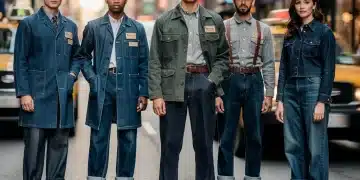
- Reimagining 1970s wide-leg trousers with contemporary waistlines.
- Streamlining 1920s flapper silhouettes for minimalist aesthetics.
This careful blending of eras demonstrates a commitment to innovation while respecting the rich heritage of fashion. The market is responsive to these nuanced changes, favoring designs that offer both historical depth and modern relevance.
This dynamic interplay is central to The Role of Vintage Fashion in Modern Design: How Past Eras Inspire 2026 Collections.
Sustainability and the Embrace of Circular Fashion
Sustainability has become a driving force behind the embrace of circular fashion, positioning vintage garments as cornerstone elements in modern design strategies.
The inherent nature of vintage—reusing existing pieces—directly addresses concerns about overproduction and waste in the industry.
This shift is not just ethical but also increasingly aesthetic, influencing 2026 collections significantly.
Designers are leveraging vintage not only for inspiration but also as actual components, incorporating upcycled fabrics and reconstructed garments into their lines.
This approach reduces the demand for new resource-intensive production, aligning with broader environmental goals. The integration of pre-existing materials adds unique textures and narratives to new designs, making each piece distinctive.
The Role of Vintage Fashion in Modern Design: How Past Eras Inspire 2026 Collections. highlights a conscious move towards a more responsible industry.
Consumers are increasingly seeking out brands that prioritize eco-friendly practices, making vintage-inspired and upcycled collections highly desirable.
This symbiotic relationship between sustainability and style is shaping the future of fashion.
Upcycling and Reconstruction: A New Design Paradigm
Upcycling and reconstruction are emerging as a new design paradigm, transforming how designers approach material sourcing and garment creation.
This innovative method involves taking discarded or pre-owned textiles and garments and transforming them into entirely new, high-value pieces.
It’s a creative challenge that yields unique results, pushing the boundaries of traditional manufacturing.
For 2026 collections, we are seeing designers meticulously deconstructing vintage items, extracting usable fabrics, trims, and embellishments, then reassembling them into contemporary designs.
This not only minimizes waste but also imbues new garments with a sense of history and individuality. Each upcycled piece tells a story, making it more appealing to a discerning clientele.
- Integrating vintage lace and embroidery into new evening wear.
- Creating patchwork garments from various reclaimed denim pieces.
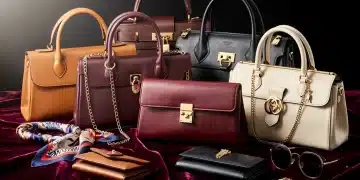
- Transforming antique silk scarves into modern blouses or accessories.
This paradigm shift underscores the profound impact of The Role of Vintage Fashion in Modern Design: How Past Eras Inspire 2026 Collections. on sustainable practices.
It is a testament to the fact that fashion can be both innovative and environmentally conscious, proving that old materials can lead to groundbreaking new designs. The industry is evolving towards a more resourceful and creative future.
Technological Advancements and Digital Archiving of Vintage
Technological advancements are revolutionizing how designers access and utilize vintage inspiration, particularly through digital archiving.
This digital transformation allows for unprecedented access to historical fashion records, making it easier for creatives to study, analyze, and draw from past eras.
The vast digital libraries of vintage garments and patterns are becoming invaluable resources for 2026 collections.
Online databases, virtual museums, and high-resolution scans of historical textiles provide designers with a global perspective on fashion history, transcending geographical and physical limitations.
This accessibility enables a more diverse and informed approach to design, fostering cross-cultural inspiration. The ability to quickly reference and compare styles from different decades accelerates the creative process.
This technological integration significantly enhances The Role of Vintage Fashion in Modern Design: How Past Eras Inspire 2026 Collections., making historical research more efficient and comprehensive.
It ensures that designers can delve deeper into specific eras, understanding the nuances of construction and material, which ultimately leads to more authentic and innovative reinterpretations in their work.
AI and Data Analysis in Identifying Vintage Trends
Artificial intelligence and data analysis are playing an increasingly crucial role in identifying and predicting vintage trends that resonate with modern consumers.
By analyzing vast amounts of historical sales data, social media trends, and fashion archives, AI can pinpoint specific vintage elements likely to gain popularity.
This predictive power allows designers to make more informed decisions for 2026 collections.
AI algorithms can detect subtle patterns in fashion cycles, highlighting which past aesthetics are ripe for a resurgence, or how specific vintage details can be adapted for contemporary appeal.
This data-driven approach complements traditional trend forecasting, offering a more precise understanding of consumer preferences. It helps bridge the gap between historical inspiration and market demand.
- Predicting the resurgence of specific 1980s power-dressing elements.
- Identifying consumer interest in 1960s mod patterns through social media engagement.
- Analyzing historical textile data to inform sustainable material choices.
The synergy between technology and historical fashion insights is redefining how trends are identified and integrated into modern design.
This strategic use of AI reinforces The Role of Vintage Fashion in Modern Design: How Past Eras Inspire 2026 Collections., transforming it from an intuitive process into a data-backed creative endeavor.
The future of fashion forecasting is undeniably intertwined with advanced analytics.
The Global Influence of Vintage: Cross-Cultural Inspirations
The global influence of vintage fashion extends far beyond Western aesthetics, now encompassing cross-cultural inspirations that enrich modern design significantly.
Designers are increasingly looking to traditional garments, textiles, and adornments from diverse cultures to inform their 2026 collections. This broadened perspective fosters a more inclusive and globally conscious approach to style.
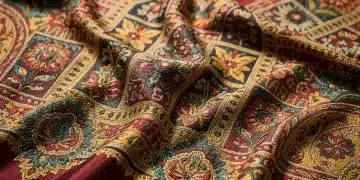
From the intricate embroidery of Eastern European folk costumes to the vibrant prints of African textiles and the elegant draping of Japanese kimonos, vintage elements from around the world are being respectfully integrated.
This global tapestry of influence results in collections that are rich in heritage and offer a fresh, unique aesthetic. It moves beyond a Eurocentric view of fashion history.
This diverse sourcing emphasizes that The Role of Vintage Fashion in Modern Design: How Past Eras Inspire 2026 Collections. is a universal phenomenon.
It acknowledges that valuable design inspiration can be found in every corner of the globe, leading to a more vibrant and interconnected fashion landscape. The exchange of cultural ideas through vintage textiles is creating truly unique narratives.
Fusing Traditional Craftsmanship with Modern Production
Fusing traditional craftsmanship with modern production techniques is a key aspect of how global vintage influences are manifesting in contemporary design.
This approach allows designers to honor age-old artisanal skills while leveraging efficiency and scalability. The result is often high-quality garments that combine the beauty of handmade details with the precision of modern manufacturing.
For 2026 collections, this might involve collaborating with artisans to incorporate hand-embroidered motifs inspired by vintage textiles into mass-produced garments, or using digital printing to replicate historical patterns.
The goal is to preserve the integrity of traditional crafts while making them accessible to a wider audience. This fusion creates a compelling blend of heritage and innovation.
- Integrating vintage lace and embroidery into new evening wear.
- Using digital looms to reproduce complex historical tapestry patterns on modern fabrics.
- Collaborating with artisans for natural dyeing techniques found in vintage folk clothing.
This deliberate blend ensures that the unique character of global vintage is not lost in translation to modern markets.
It highlights that The Role of Vintage Fashion in Modern Design: How Past Eras Inspire 2026 Collections. is about celebrating diverse histories and bringing them into a contemporary context with respect and creativity.
This collaborative spirit is defining the next wave of global fashion.
| Key Aspect | Description |
|---|---|
| Historical Reinterpretation | Designers adapt vintage silhouettes and aesthetics for 2026 collections. |
| Sustainable Practices | Vintage promotes upcycling and circular fashion, reducing waste. |
| Technological Integration | Digital archives and AI enhance vintage trend identification and design. |
| Global Inspiration | Cross-cultural vintage elements enrich modern design narratives. |
Frequently Asked Questions About Vintage Fashion’s Influence
Vintage fashion influences current design trends by providing a rich archive of silhouettes, patterns, and construction techniques that designers reinterpret. It offers a cyclical source of inspiration, allowing for the fusion of historical aesthetics with contemporary demands for comfort and functionality. This ensures designs resonate with both nostalgia and modern sensibilities, driving innovative 2026 collections.
Sustainability plays a crucial role in the resurgence of vintage by promoting circular fashion and reducing textile waste. Utilizing existing garments and materials minimizes the environmental impact of new production, aligning with eco-conscious consumer values. This makes vintage not just a style choice but an ethical statement, deeply impacting how designers approach The Role of Vintage Fashion in Modern Design: How Past Eras Inspire 2026 Collections.
While influence is broad, for 2026 collections, designers are notably drawing from the structured elegance of the 1940s, the rebellious spirit of the 1970s, and the minimalist chic of the 1990s. These eras offer distinct aesthetics that are being creatively fused and adapted. The eclectic mix allows for diverse interpretations, showcasing the versatility of vintage fashion in modern design.
Designers reinterpret vintage elements by extracting core design principles—like silhouette or texture—and updating them with modern fabrics, cuts, and contexts. They might combine elements from different eras or infuse them with futuristic details. This process ensures the designs feel fresh and relevant rather than mere reproductions, highlighting the transformative aspect of The Role of Vintage Fashion in Modern Design: How Past Eras Inspire 2026 Collections.
Digital tools, such as online archives and AI, significantly enhance vintage-inspired design by providing unprecedented access to historical fashion data and predictive trend analysis. These technologies allow designers to research and identify influential vintage elements more efficiently, fostering informed and innovative design decisions. This technological integration is pivotal in shaping The Role of Vintage Fashion in Modern Design: How Past Eras Inspire 2026 Collections.
Looking Ahead: The Evolving Narrative of Vintage in Design
The evolving narrative of vintage in design indicates a sustained and deepening influence on future collections for 2026 and beyond.
This represents a fundamental shift toward a more thoughtful, historically informed approach to fashion that moves well beyond surface-level nostalgia.
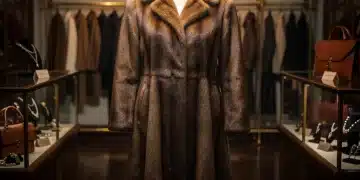
Today, luxury houses are recognizing the immense value of drawing from previous decades to innovate for the contemporary market, as evidenced by how designers are reviving midcentury elegance for Fall/Winter 2026.
Looking ahead, we can expect continued experimentation with cross-cultural vintage influences, deeper integration of sustainable archival practices, and advanced technological applications in garment construction.
As designers push creative boundaries, they will keep balancing historical reverence with modern demands for comfort, functionality, and ethical production—ensuring vintage aesthetics remain a cornerstone of modern fashion innovation.