Reviving Faded Vintage Clothing: 5 Techniques for Lasting Color
Advertisements
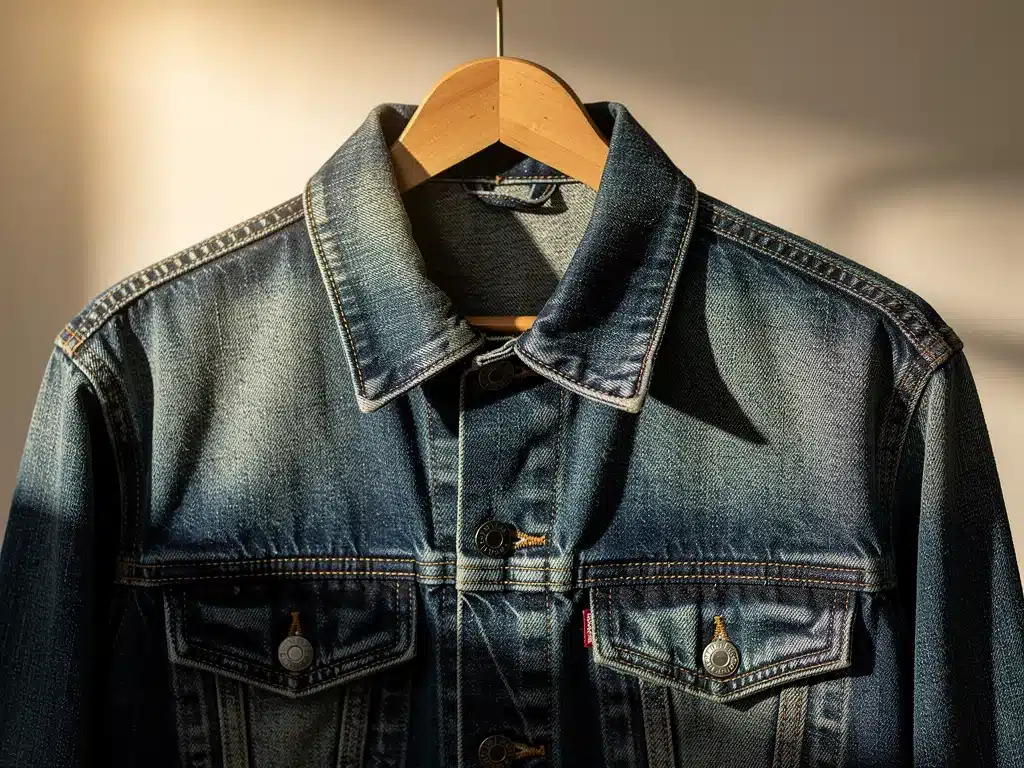
Reviving faded vintage clothing involves specific techniques to restore color and extend its lifespan, enhancing its aesthetic appeal and preserving its history effectively.
Advertisements
Are you a proud owner of vintage clothing, but notice some pieces losing their original vibrancy? Learning how to approach reviving faded vintage clothing can transform your wardrobe. This guide provides practical solutions to restore color and significantly increase the longevity of your cherished garments, potentially adding two years or more to their life.
Understanding the Causes of Fading in Vintage Textiles
Before diving into restoration techniques, it’s crucial to understand why vintage textiles fade. Sunlight, improper washing, and chemical exposure are common culprits. Each factor contributes to the degradation of dye molecules, leading to dullness and discoloration over time.
The fibers themselves also play a role. Natural fibers like cotton, linen, and silk react differently to environmental stressors compared to synthetic materials. Understanding these underlying causes helps in selecting the most effective restoration methods and preventing future damage.
The Impact of UV Radiation
Ultraviolet (UV) radiation is one of the most significant factors contributing to color fade. Prolonged exposure to sunlight breaks down the chemical bonds in dyes, causing them to lose their intensity. This effect is particularly noticeable in garments displayed in windows or stored in brightly lit areas.
- Direct Sunlight: Avoid hanging vintage clothes in direct sunlight for extended periods.
- Indoor Lighting: Even indoor light, especially fluorescent, can emit UV rays.
- Window Protection: Consider UV-filtering films on windows where vintage items are stored or displayed.
Chemical Degradation and Improper Washing
Harsh detergents, bleaches, and even certain water minerals can strip away color from vintage fabrics. Many older textiles were dyed using methods less robust than modern techniques, making them more susceptible to chemical damage. High water temperatures also accelerate color loss.
It’s essential to use gentle, pH-neutral detergents specifically designed for delicate fabrics. Cold water washing is almost always recommended for vintage clothing to preserve its integrity and color. Always check care labels, if available, or research the fabric type before washing.
Understanding the root causes of fading is the first step in effective restoration. By minimizing exposure to UV light and adopting gentle washing practices, you can significantly slow down the fading process and prepare your garments for successful color revival.
Technique 1: Natural Dyeing for Gentle Color Restoration
Natural dyeing offers a gentle and historically appropriate method for restoring color to faded vintage clothing. This technique utilizes plant-based materials to impart new life into textiles, often resulting in unique and subtle hues. It’s an excellent option for those seeking an eco-friendly approach.
The process involves extracting pigments from various natural sources such as roots, leaves, flowers, and even food scraps. The results can vary depending on the fabric type, the mordant used, and the specific natural dye chosen. Experimentation is key to achieving desired shades.
Choosing Your Natural Dye Source
A wide array of natural materials can be used for dyeing. Each source yields a distinct color palette, from rich indigos to earthy browns and vibrant reds. Consider the original color of your vintage garment and the desired outcome when selecting your dye.
- Onion Skins: Produce shades of yellow, orange, and brown.
- Avocado Pits/Skins: Yield beautiful pinks and rusty reds.
- Red Cabbage: Can create blues, purples, and even greens depending on pH.
- Tea and Coffee: Excellent for achieving various shades of brown and sepia tones.
- Turmeric: Known for its bright, sunny yellow.
The Mordanting Process
Mordanting is a crucial step in natural dyeing. A mordant is a substance used to fix the dye to the fabric, ensuring colorfastness and vibrancy. Without a mordant, the dye may wash out quickly. Alum (potassium aluminum sulfate) is a common and safe mordant for home use.
To mordant, dissolve the alum in hot water and soak your pre-washed vintage garment in the solution for at least an hour, or even overnight. Rinse thoroughly before proceeding with the dyeing process. This step prepares the fibers to absorb and retain the natural pigments effectively.
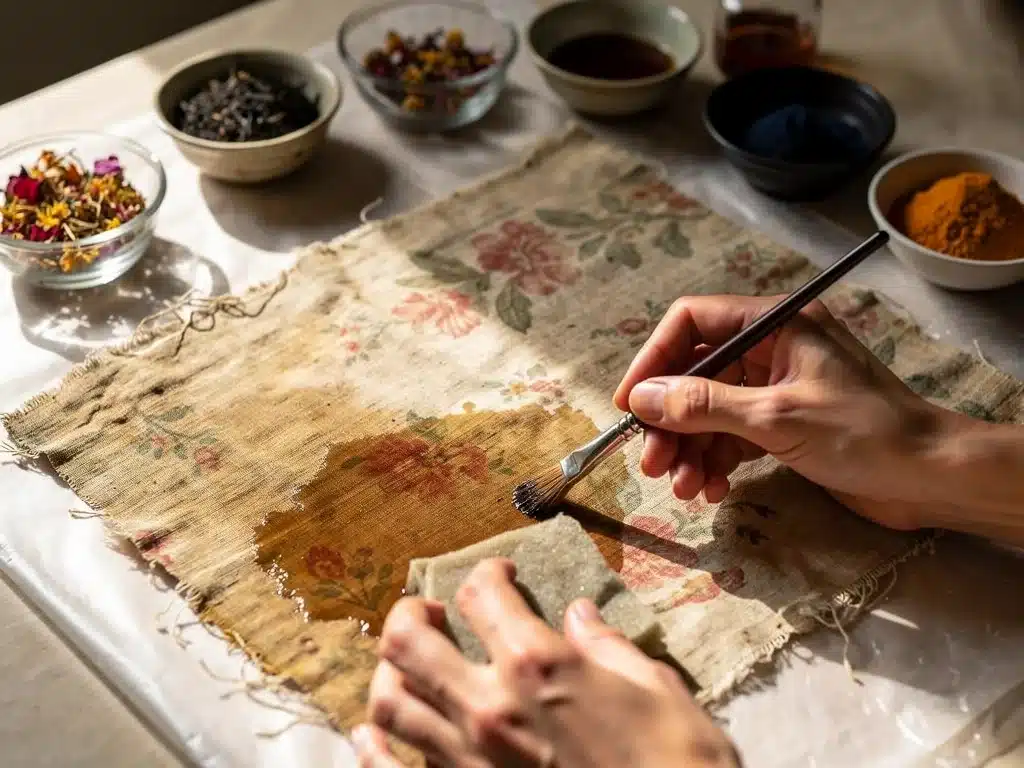
Once mordanted, the garment is ready for the dye bath. Simmer your chosen natural dye material in water to extract its color. Strain the liquid, then add your fabric. Gently simmer the fabric in the dye bath for an hour or more, stirring occasionally, until the desired shade is achieved. Remember that the color will appear lighter once dry. After dyeing, rinse the garment until the water runs clear and allow it to air dry away from direct sunlight. Natural dyeing is a rewarding process that can bring new life and unique character to your beloved vintage pieces, enhancing their appeal for years to come.
Technique 2: Fabric Dyes for Intense Color Revitalization
For more intense color restoration or a complete color change, commercial fabric dyes are an effective solution. These dyes are formulated to penetrate textile fibers deeply, offering vibrant and long-lasting results. They are particularly useful for garments that have severely faded or where a specific, strong color is desired.
Fabric dyes come in various forms, including all-purpose dyes, direct dyes, and reactive dyes. Understanding the type of fabric you’re working with is essential, as different dyes are suited for specific fiber compositions. Cotton, linen, rayon, and silk generally take dyes well, while synthetic fibers like polyester often require specialized dyes.
Preparing Your Garment for Dyeing
Proper preparation is key to achieving an even and streak-free dye job. Begin by thoroughly washing your vintage garment to remove any dirt, oils, or sizing that could interfere with dye absorption. Ensure the fabric is damp before dyeing, as this helps the dye penetrate uniformly.
For best results, especially with heavily faded items, consider using a color remover if you wish to lighten the existing color before redyeing. This step can help achieve a truer shade of your chosen dye. Always follow the manufacturer’s instructions for both color removers and dyes carefully.
The Dyeing Process: Steps for Success
Commercial fabric dyeing typically involves a few critical steps. First, prepare your dye bath according to the product instructions. This usually means dissolving the dye in hot water and adding salt or a dye fixative, which helps the dye adhere to the fabric.
Submerge the damp garment completely into the dye bath, ensuring it is fully saturated. Stir continuously for the recommended time, usually 30-60 minutes, to prevent uneven dyeing. The longer the garment remains in the dye bath, the deeper the color will be. Once the desired shade is reached, carefully remove the garment.
Post-Dyeing Care and Fixation
After dyeing, rinse the garment under cool running water until the water runs clear. This removes excess dye and prevents bleeding onto other fabrics. For optimal colorfastness, use a dye fixative if it wasn’t included in the initial dye bath. Many commercial dyes offer separate fixatives that can be applied after rinsing.
Wash the freshly dyed garment separately for the first few washes to prevent any residual dye from staining other clothing. Air dry the item away from direct sunlight. Commercial fabric dyes offer a reliable method for revitalizing severely faded vintage clothing, giving them a second life with vibrant, renewed color that can last for years with proper care.
Technique 3: Fabric Painting and Embellishment for Artistic Revival
When traditional dyeing methods aren’t suitable, or you wish to add a unique artistic touch, fabric painting and embellishment offer creative ways to revive faded vintage clothing. This approach allows for targeted color application, covering faded areas, or adding entirely new designs that enhance the garment’s character. It’s perfect for pieces with localized fading or those that could benefit from a personalized upgrade.
Fabric paints are specifically designed to be flexible and durable on textiles, resisting cracking and peeling after washing. There’s a wide range of fabric paints available, including opaque, transparent, metallic, and glitter options, providing endless possibilities for customization.
Selecting the Right Fabric Paints and Tools
Choosing the correct fabric paint is crucial for a successful project. Water-based acrylic fabric paints are popular due to their ease of use and clean-up. Heat-setting paints often require ironing to cure, making them permanent and washable. Consider the fabric type and the desired effect when making your selection.
- Brushes: Use a variety of sizes for different details.
- Sponges: Great for creating textured or blended effects.
- Stencils: Ideal for repeating patterns or precise designs.
- Fabric Markers: Useful for fine lines and intricate details.
Creative Application Techniques
Before painting, ensure your garment is clean and dry. Place a piece of cardboard or plastic inside the garment to prevent paint from bleeding through to the other side. You can use various techniques to apply fabric paint, from freehand designs to stenciling and stamping.
For faded areas, you can try to match the original color or intentionally create a contrasting design that draws attention away from the fade. Embellishments like embroidery, patches, or appliqué can further enhance the garment, adding texture and dimension. This artistic approach not only restores but also reinvents your vintage piece, making it truly one-of-a-kind. Always allow painted areas to dry completely before handling or heat-setting, following the paint manufacturer’s instructions.
Fabric painting and embellishment provide a fantastic avenue to personalize and restore vintage clothing that might otherwise be discarded. This technique allows for creative expression while effectively addressing fading, transforming old favorites into unique statement pieces that reflect your individual style and extend their wearable life.
Technique 4: Color-Depositing Detergents and Conditioners
For garments with mild fading, or as a preventative measure to maintain color vibrancy, color-depositing detergents and conditioners offer a convenient and less intensive solution. These products contain small amounts of dye that adhere to fabric fibers during the wash cycle, subtly enhancing and refreshing existing colors without the full commitment of a traditional dye bath.
These specialized detergents are formulated to be gentle on vintage fabrics while actively working to deposit color. They are particularly effective for darker garments that have lost some of their depth, such as black jeans or navy tops, helping to restore their richness over several washes.
How Color-Depositing Products Work
Color-depositing detergents and conditioners work by releasing micro-pigments that bond with textile fibers during the wash and rinse cycles. This process is gradual, meaning you won’t see a dramatic change after one wash, but rather a progressive enhancement of color over time. They are designed to prevent color bleeding onto other clothes, making them a safer option than traditional dyeing for multi-colored items.
These products are not intended to completely change the color of a garment but rather to intensify and refresh its existing shade. Think of it as a subtle tint that breathes new life into tired fabrics, making them appear more vibrant and less washed out. They are an excellent maintenance tool for frequently worn vintage items.
Best Practices for Using Color-Depositing Products
To maximize the effectiveness of color-depositing detergents and conditioners, follow these best practices:
- Separate by Color: Always wash similar colors together to prevent any potential transfer, especially during the initial uses.
- Cold Water Wash: Use cold water to minimize further fading and help the deposited color adhere better.
- Gentle Cycle: Opt for a gentle cycle to protect delicate vintage fabrics.
- Follow Instructions: Adhere strictly to the product’s dosage and usage instructions for optimal results.
Regular use of these products can significantly extend the lifespan of your vintage clothing’s color, making them appear newer and more vibrant. While they won’t reverse severe fading, they are an invaluable tool for maintaining and gently restoring the brilliance of your cherished pieces, helping them last longer and look their best.
Technique 5: Strategic Storage and Preservation to Prevent Future Fading
Beyond restoration, proactive preservation is paramount for increasing the longevity of vintage clothing. Strategic storage and careful handling are crucial steps in preventing future fading and degradation, potentially adding years to your garments’ wearable life. The goal is to minimize exposure to environmental stressors that accelerate deterioration.
Proper storage involves controlling factors such as light, temperature, humidity, and pests. Each of these elements can significantly impact the condition of vintage textiles. Implementing a comprehensive preservation strategy ensures that your revived pieces retain their color and structural integrity for as long as possible.
Controlling Light Exposure
As discussed, UV radiation is a major culprit in color fading. Therefore, storing vintage clothing in dark, opaque containers or closets is essential. If garments are displayed, ensure they are in areas with minimal natural light and consider using UV-filtering glass or blinds. Rotating displayed items can also help distribute light exposure evenly.
- Closed Storage: Utilize wardrobes, drawers, or archival boxes that block light.
- Avoid Direct Sunlight: Never store or hang vintage clothing near windows.
- UV Protection: For display, consider museum-grade UV-filtering acrylic or glass.
Managing Temperature and Humidity
Extreme fluctuations in temperature and humidity can cause fibers to weaken, become brittle, or even encourage mold and mildew growth. Ideal storage conditions include a cool, dry, and stable environment. Avoid attics, basements, and garages where conditions can be unpredictable.
Relative humidity between 40-50% and temperatures around 65-75°F (18-24°C) are generally recommended. Dehumidifiers or silica gel packets can help control humidity in damp environments, while ensuring good air circulation prevents stagnant conditions that foster mold. Maintaining a stable environment is crucial for preserving the integrity of dyes and fibers alike.
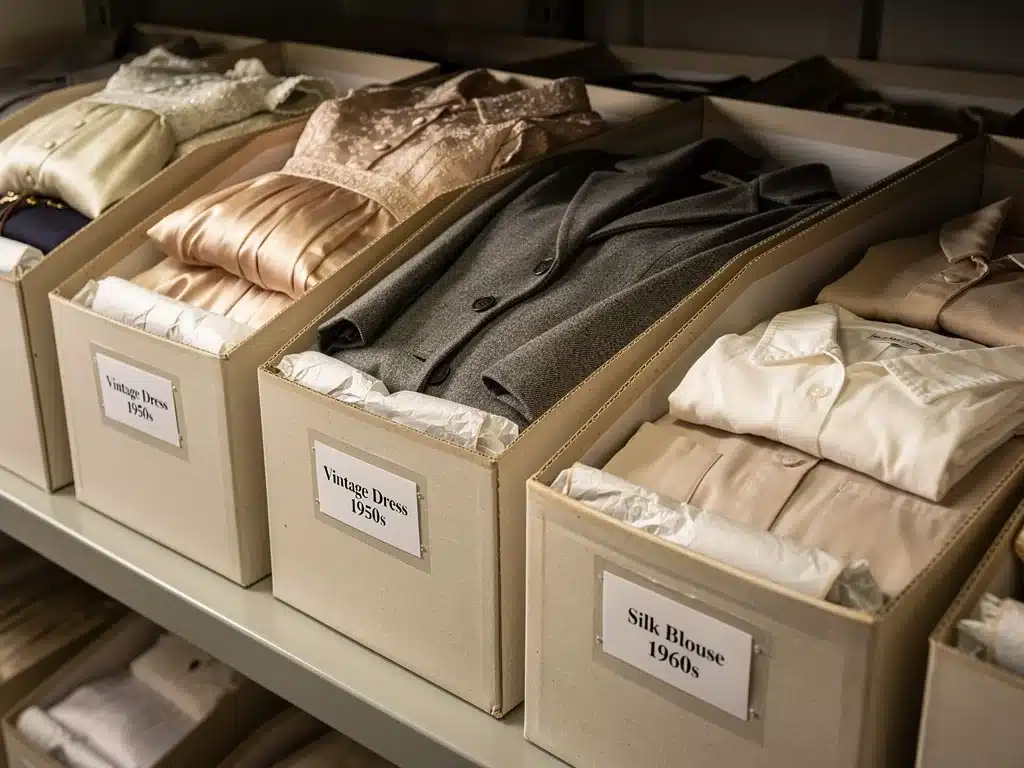
Additionally, using acid-free tissue paper for folding and stuffing garments helps prevent creasing and supports their shape. Always store garments clean, as dirt and body oils can attract pests and cause permanent stains. By implementing these strategic storage and preservation techniques, you can significantly extend the life and vibrancy of your revived vintage clothing, ensuring they remain cherished pieces for generations.
Long-Term Care and Maintenance for Vintage Apparel
Beyond initial restoration and proper storage, consistent long-term care and maintenance are vital for ensuring your vintage apparel remains vibrant and lasts for years to come. This involves a thoughtful approach to washing, handling, and occasional touch-ups. Treating vintage clothing with the respect it deserves will pay dividends in its appearance and durability, potentially adding several years to its life.
Regular maintenance isn’t just about preventing fading; it’s also about preserving the fabric’s integrity, preventing tears, and addressing minor issues before they become major problems. A proactive approach will save you time and money in the long run, protecting your investment in these unique pieces.
Gentle Washing Practices
As a general rule, vintage clothing should be washed as infrequently as possible. When washing is necessary, always opt for the gentlest method appropriate for the fabric. Hand washing in cool water with a pH-neutral, mild detergent is often the safest choice. Avoid harsh scrubbing or twisting, which can damage delicate fibers.
- Spot Cleaning: Address small stains promptly with targeted spot cleaning rather than a full wash.
- Mesh Bags: If machine washing, place delicate items in a mesh laundry bag on a gentle cycle.
- Air Drying: Always air dry vintage garments flat or on a padded hanger, away from direct heat or sunlight.
Avoid tumble drying, as the heat and agitation can cause shrinkage, fading, and damage to older fabrics. The goal is to minimize stress on the fibers and dyes during cleaning.
Repairs and Touch-Ups
Small repairs can significantly extend the life of vintage clothing. Address loose seams, missing buttons, or small tears promptly to prevent them from worsening. Learning basic mending skills, or finding a trusted tailor specializing in delicate fabrics, can be invaluable.
For minor fading that re-emerges over time, consider targeted touch-ups using fabric markers or very diluted fabric dyes. Always test on an inconspicuous area first. Regular inspection of your vintage garments allows you to catch and address these issues early, preserving their condition and functionality. By integrating these long-term care and maintenance practices, you ensure that your revived vintage clothing continues to tell its story and remains a cherished part of your wardrobe for many years, truly maximizing its longevity.
| Technique | Brief Description |
|---|---|
| Natural Dyeing | Uses plant-based materials for gentle, eco-friendly color restoration and unique hues. |
| Fabric Dyes | Commercial dyes for intense, long-lasting color revitalization or complete color changes. |
| Fabric Painting | Artistic approach for targeted color application or adding unique designs to faded areas. |
| Strategic Storage | Prevents future fading by controlling light, temperature, humidity, and proper handling. |
Frequently Asked Questions About Vintage Clothing Restoration
Not all faded vintage clothing can be restored to its exact original color, especially if the fading is severe or the fabric is very delicate. However, most pieces can achieve significant color improvement or a beautiful new shade through various restoration techniques, enhancing their aesthetic and extending their wearability.
Natural dyeing is generally safe for most natural fibers like cotton, linen, wool, and silk. However, it’s crucial to test a small, inconspicuous area first, as some very old or fragile fabrics might react unpredictably. Synthetics generally do not take natural dyes well.
To prevent post-restoration fading, store garments in dark, cool, and dry places, away from direct sunlight and artificial lights. Use acid-free storage materials, wash gently with cold water and mild detergents, and avoid harsh chemicals. Proper care significantly extends color vibrancy.
Several brands offer effective color-depositing detergents and conditioners, often found in specialty laundry aisles or online. Look for products specifically formulated for dark or black garments, as they typically contain higher concentrations of color-enhancing agents. Always check reviews and ingredients for suitability with vintage items.
Fabric painting, when done correctly with appropriate paints, should not damage vintage textiles. Use paints designed for fabric, apply in thin layers, and ensure proper heat-setting if required. Avoid applying thick, heavy layers that could make the fabric stiff or prone to cracking, preserving its natural drape.
Conclusion
Reviving faded vintage clothing is more than just a chore; it’s an art form that blends historical appreciation with practical care. By understanding the causes of fading and applying thoughtful restoration techniques—from the subtle nuances of natural dyeing to the vibrancy of commercial fabric dyes, the creativity of fabric painting, and the preventative power of strategic storage—you can breathe new life into cherished garments. These methods not only restore their aesthetic appeal but also significantly extend their lifespan, often by several years. Embracing these sustainable practices ensures that your unique vintage pieces continue to tell their stories, remaining fashionable and functional for generations to come, enriching your wardrobe with character and history.