Pedalboard Power Supplies 2026: Noise-Free Performance
Advertisements
Achieving 100% noise-free performance for your pedalboard in 2026 hinges on selecting advanced power supplies with fully isolated outputs, sophisticated filtering, and future-proof design to eliminate hum and interference, ensuring pristine audio quality for every effect.
Advertisements
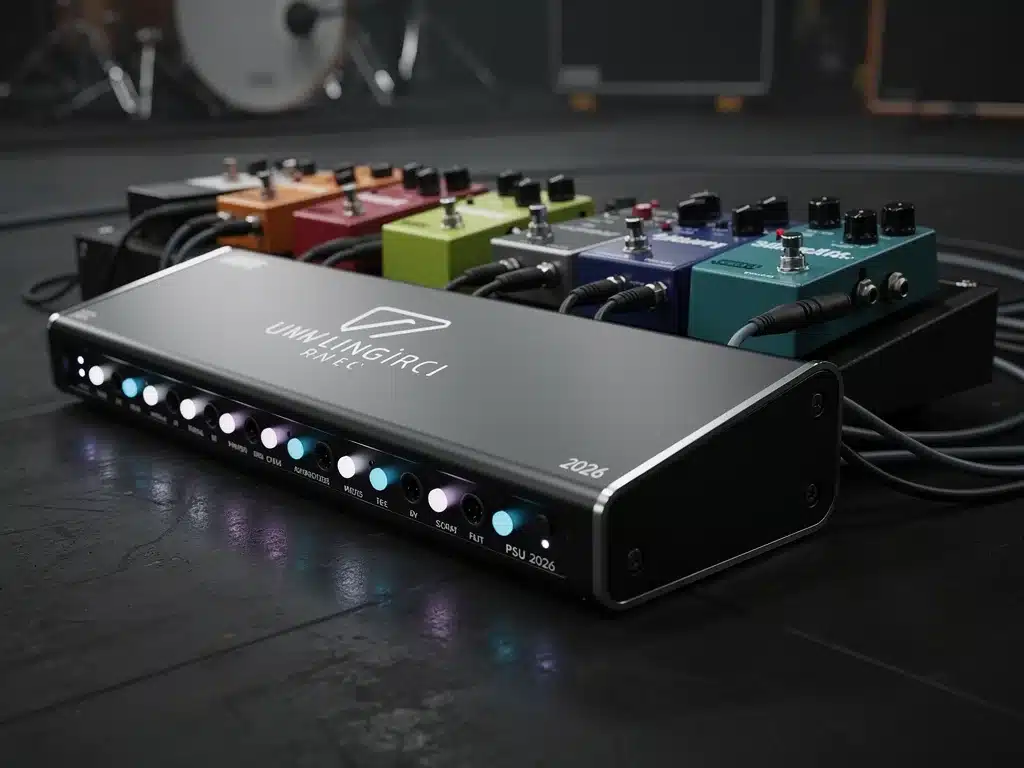
In the dynamic world of guitar effects, ensuring pristine audio is paramount, and the foundation of a clean signal chain begins with power. As we look towards 2026, the evolution of pedalboard power supplies 2026 continues to push boundaries, promising unprecedented levels of noise-free performance for even the most complex effect setups. Gone are the days of buzzing amps and unwanted hum; modern power solutions are engineered to deliver pure, unadulterated tone.
The Critical Role of Isolated Power in 2026
Understanding the fundamental importance of isolated power is the first step toward a quiet pedalboard. In 2026, this concept remains the cornerstone of elite power supply design. Isolated outputs prevent ground loops, which are a primary source of noise and hum that can plague even the most expensive effect pedals.
Each output on a truly isolated power supply has its own independent power transformer winding and ground reference. This means that if one pedal experiences an issue or draws excessive current, it won’t affect the power delivery or ground integrity of other pedals in the chain. This separation is crucial for maintaining signal clarity across diverse pedal types, from high-current digital delays to sensitive analog fuzzes.
Why Isolation Matters More Than Ever
- Elimination of Ground Loops: The most common culprit for unwanted noise, ground loops occur when different pieces of equipment are grounded at multiple points, creating circulating currents. Isolated outputs sever these problematic connections.
- Protection Against Faults: Should a pedal malfunction or short circuit, an isolated output can prevent the issue from spreading to other pedals, protecting your entire rig.
- Consistent Power Delivery: Each pedal receives its dedicated, stable power, preventing voltage sags or current fluctuations that can impact tone or performance.
- Compatibility with Diverse Pedal Types: Modern pedalboards often feature a mix of analog and digital, high-current and low-current pedals. Isolated outputs ensure each receives optimal power without interference.
As pedal technology advances, with more complex digital processors and sensitive analog circuits, the demand for truly isolated and clean power becomes even more pronounced. Investing in a high-quality isolated power supply isn’t just an upgrade; it’s a necessity for achieving professional, noise-free sound in 2026.
Advanced Filtering Technologies for Pristine Audio
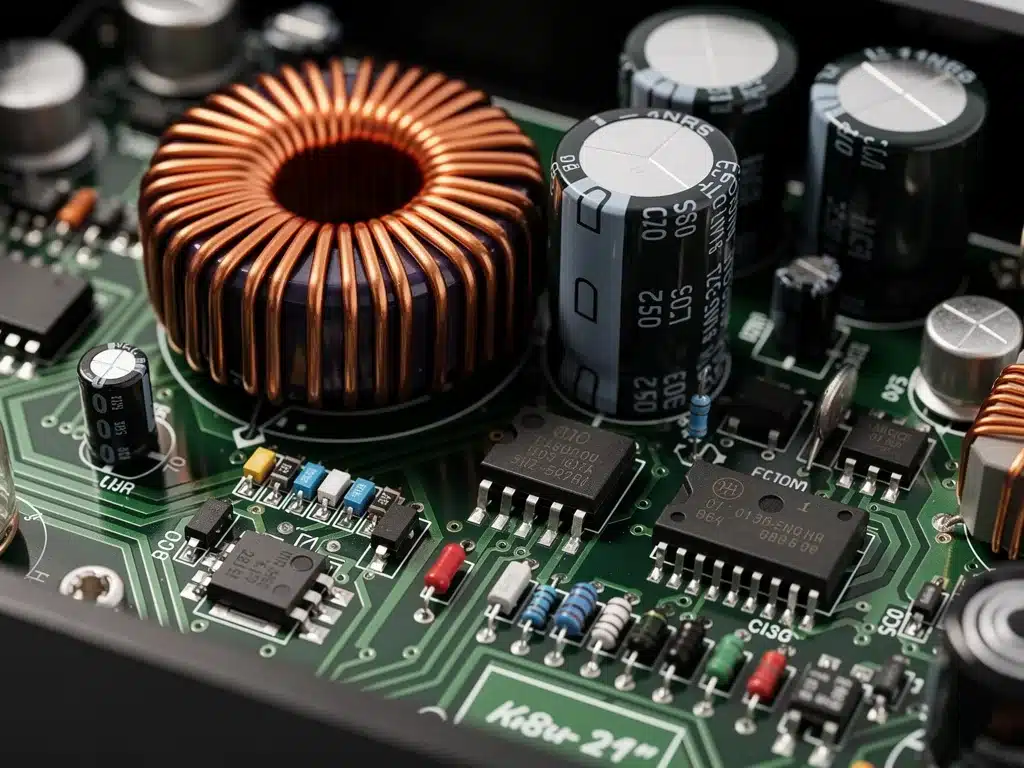
Beyond isolation, the quality of power delivered to your pedals is heavily influenced by advanced filtering technologies. In 2026, manufacturers are integrating sophisticated filtering circuits that go far beyond basic noise suppression, ensuring that only the cleanest DC power reaches your effects. This meticulous attention to power conditioning is what truly defines a 100% noise-free performance.
These filtering systems work to eliminate various types of electrical interference, including hum from AC mains, radio frequency interference (RFI), and electromagnetic interference (EMI). They smooth out any ripples in the DC current, providing a stable and consistent voltage that allows your pedals to operate at their absolute best, preserving their intended sonic character.
Key Filtering Innovations to Look For
- Multi-Stage Filtering: Instead of a single filter, many modern power supplies employ multiple stages of filtering, each designed to tackle different frequency ranges of noise. This layered approach offers superior noise rejection.
- Linear Regulation vs. Switching Supply Filtering: While switching power supplies (SMPS) are compact and efficient, they can introduce high-frequency noise if not properly filtered. High-end linear regulated supplies naturally offer cleaner power, but advanced SMPS units now include robust filtering to minimize their inherent noise.
- Surge Protection and Voltage Regulation: Integrated surge protection guards your valuable pedals against power spikes, while precise voltage regulation ensures each pedal receives its exact required voltage, preventing performance degradation or damage.
The synergy between robust isolation and cutting-edge filtering is what elevates a power supply from merely functional to truly exceptional. In 2026, expect to see even more refined filtering designs, often proprietary to specific brands, ensuring that the power delivered is as pure as possible, allowing your tone to shine without any unwanted sonic artifacts.
High-Current Demands and Flexible Voltage Options
The landscape of effect pedals has changed dramatically, with an increasing number of digital pedals requiring higher current draws, often exceeding 200mA, 300mA, or even 500mA per pedal. Traditional power supplies with low-current outputs simply cannot keep up, leading to underpowered pedals, unpredictable behavior, and potential damage. Pedalboard power supplies 2026 are designed with these modern demands in mind.
Many contemporary power supplies feature dedicated high-current outputs, sometimes up to 500mA or even 1A, ensuring that power-hungry digital delays, reverbs, and multi-effect units receive the juice they need to perform optimally. This eliminates the need for cumbersome daisy chains or multiple power bricks, streamlining your setup and reducing potential noise sources.
Adapting to Diverse Voltage Requirements
Beyond current, voltage flexibility is another crucial aspect. While 9V DC remains the standard, many pedals operate at 12V, 18V, or even 24V DC. Some vintage pedals might even require AC power. Modern power supplies address this with:
- Switchable Voltage Outputs: Many outputs offer toggle switches or DIP switches to select between 9V, 12V, or 18V DC, providing ultimate adaptability.
- Sag Control: A unique feature for emulating the sound of dying batteries, sag control allows you to intentionally lower the voltage to certain pedals, particularly fuzz and overdrive, for unique sonic textures.
- AC Output Options: For pedals that specifically require AC power, some high-end power supplies include dedicated AC outputs, eliminating the need for separate wall warts.
The ability to precisely match power requirements for each pedal not only ensures optimal performance but also contributes significantly to a noise-free setup. Incorrect voltage or insufficient current can introduce subtle hums or digital artifacts, which flexible power supplies are designed to prevent.
Compact Design and Mounting Solutions for the Modern Pedalboard
As pedalboards grow in complexity, space optimization becomes a premium. In 2026, pedalboard power supplies are not only powerful but also incredibly compact and intelligently designed for seamless integration. Manufacturers understand that musicians need efficient use of space without compromising on power delivery or noise performance.
Many modern power supplies boast low-profile designs, allowing them to fit comfortably underneath most standard pedalboards. This keeps the top surface clean for your effects and makes transport much easier. Innovative mounting solutions are also becoming standard, ensuring a secure and tidy installation.
Optimized for Pedalboard Integration
- Low-Profile Enclosures: Designed to fit under popular pedalboards like Pedaltrain, Templeboard, and others, minimizing footprint.
- Dedicated Mounting Brackets: Many units come with custom brackets or universal mounting plates, making installation quick and secure.
- Modular Designs: Some systems offer modular expansion, allowing you to add more isolated outputs as your pedalboard grows, without replacing the entire unit.
- Daisy Chain Alternatives: While isolated outputs are always preferred, some compact units offer filtered daisy-chain outputs for low-current pedals, allowing for even greater space efficiency while maintaining good noise performance.
The trend towards smaller, more powerful, and more flexible power solutions reflects the evolving needs of guitarists. A well-designed power supply in 2026 isn’t just about clean power; it’s also about enhancing the ergonomics and portability of your entire rig, making setup and breakdown a breeze.
Future-Proofing Your Pedalboard Power Setup
Investing in a power supply is a long-term decision, and in 2026, future-proofing your setup means considering adaptability, reliability, and potential technological advancements. The best pedalboard power supplies 2026 are designed not just for today’s pedals, but for the pedals you’ll acquire tomorrow.
This involves looking for units with a generous number of isolated outputs, a wide range of voltage and current options, and robust construction that can withstand the rigors of gigging and touring. A future-proof power supply should anticipate evolving pedal technologies and provide the flexibility to power them without requiring an entirely new investment.
Key Considerations for Longevity and Adaptability
- Expandability: Can you easily add more isolated outputs if your pedal collection grows? Some systems offer auxiliary power units that connect seamlessly.
- Robust Construction: Look for metal enclosures, high-quality components, and durable jacks. A power supply is often subjected to significant wear and tear.
- Universal Voltage Input: Many modern power supplies feature universal voltage input (e.g., 100-240V AC), making them suitable for international travel without needing external voltage converters.
- Firmware Updatability: While less common for power supplies, some advanced units with digital control might offer firmware updates to enhance features or compatibility.
By choosing a power supply that offers ample headroom in terms of outputs, current, and voltage flexibility, you ensure that your investment will serve you well for years to come. This strategic approach minimizes the need for future upgrades and maximizes your ability to experiment with new and exciting effects as they emerge.
Common Power-Related Noise Issues and Their Solutions
Even with the most advanced pedalboard power supplies 2026, understanding common noise issues and their solutions is key to maintaining a truly noise-free setup. While isolated power eliminates many problems, other factors can still introduce unwanted sounds into your signal chain. Being able to diagnose and address these issues efficiently will save you frustration and ensure consistent performance.
One frequent culprit is electromagnetic interference (EMI) from external sources like fluorescent lights, dimmer switches, or even poorly shielded cables. Another can be radio frequency interference (RFI) from wireless devices. Even a high-quality power supply cannot completely shield against all external factors, but knowing where to look helps.
Troubleshooting Noise in Your Pedalboard
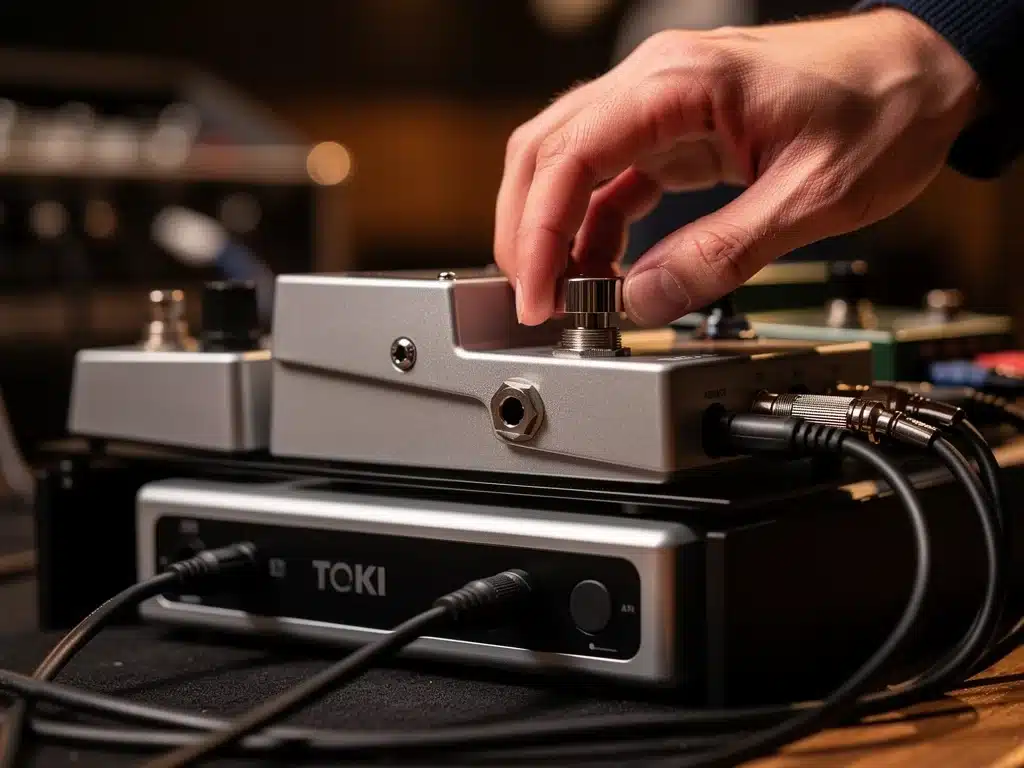
- Cable Quality: Invest in high-quality, shielded patch cables. Cheap cables are often a significant source of noise.
- Power Cable Routing: Keep power cables separate from audio cables as much as possible to prevent inductive coupling and hum.
- LED Lighting Interference: Some LED stage lighting can generate high-frequency noise. If possible, test your setup in different environments.
- Defective Pedals or Power Supplies: Occasionally, a pedal itself or even the power supply can be faulty. Isolate components to identify the source.
- Grounding of Amplifier and Other Gear: Ensure your amplifier and other connected gear (e.g., mixing console) are properly grounded.
While the goal of a 100% noise-free pedalboard is achievable with modern power supplies, it also requires a holistic approach to your entire signal chain. By understanding and mitigating these common issues, you can ensure that the advanced features of your 2026 power supply are fully utilized, delivering the pristine tone you expect.
| Key Feature | Description for 2026 |
|---|---|
| Isolated Outputs | Essential for eliminating ground loops and ensuring each pedal receives clean, independent power. |
| Advanced Filtering | Multi-stage noise reduction to remove hum, RFI, and EMI for pristine audio signals. |
| High Current & Voltage Flexibility | Accommodates modern, power-hungry digital pedals and diverse voltage requirements (9V, 12V, 18V, AC). |
| Compact & Future-Proof Design | Space-efficient, durable construction with expandability for evolving pedalboard needs. |
Frequently Asked Questions About Pedalboard Power Supplies
A noise-free power supply in 2026 features fully isolated outputs, advanced multi-stage filtering, and precise voltage regulation. These elements work together to eliminate ground loops, AC hum, and other electrical interference, ensuring each pedal receives a clean, stable power source for optimal, pristine audio performance.
Yes, for truly 100% noise-free performance, isolated outputs for every pedal are highly recommended. They prevent ground loops, which are a primary source of hum and interference. While some low-current analog pedals might tolerate a daisy chain from a filtered output, isolated power is the gold standard for clarity.
A cheap, unregulated power supply can potentially damage pedals due to unstable voltage, current fluctuations, or lack of surge protection. Investing in a quality, regulated power supply protects your valuable effects and ensures their proper operation and longevity.
DC (Direct Current) is the most common power type for pedals, providing a steady voltage. AC (Alternating Current) outputs are rarer and are specifically for certain pedals, often older or specialized units, that require AC power. Using the wrong type can damage a pedal, so always check requirements.
Consider the total number of pedals, their individual voltage and current requirements, and potential future additions. Choose a supply with more isolated outputs than you currently need, flexible voltage options (9V, 12V, 18V), and high-current capabilities for digital effects to future-proof your setup.
Conclusion
The pursuit of perfect tone is an endless journey for musicians, and in 2026, the critical role of a high-quality pedalboard power supply in achieving that goal cannot be overstated. From the foundational necessity of isolated outputs to the intricate layers of advanced filtering and the flexibility to meet diverse power demands, modern power solutions are engineered to deliver a truly 100% noise-free performance. By understanding these technologies and making informed choices, guitarists can unlock the full potential of their effect pedals, ensuring that every note, chord, and effect is heard with pristine clarity, free from unwanted hum or interference. Investing in a robust, future-proof power supply is not just an expense; it’s an investment in your sound, your performance, and your creative expression.