Repairing Vintage Buttonholes: A Skill for Garment Longevity
Advertisements
Repairing vintage buttonholes is a meticulous yet rewarding skill that significantly extends the lifespan of cherished garments, ensuring their continued wearability and historical integrity.
Vintage clothing holds a special place in our hearts and wardrobes, offering a unique blend of history, style, and craftsmanship that modern garments often lack. However, the passage of time can take its toll, and one of the most common areas of wear and tear in these beloved pieces is the buttonhole. A damaged buttonhole can render a garment practically unwearable, diminishing its functionality and aesthetic appeal. This is where the invaluable skill of repairing vintage buttonholes comes into play, not merely as a mending task but as an act of preservation that can literally add years, even decades, to a garment’s life.
Advertisements
understanding the anatomy of a buttonhole and common damage
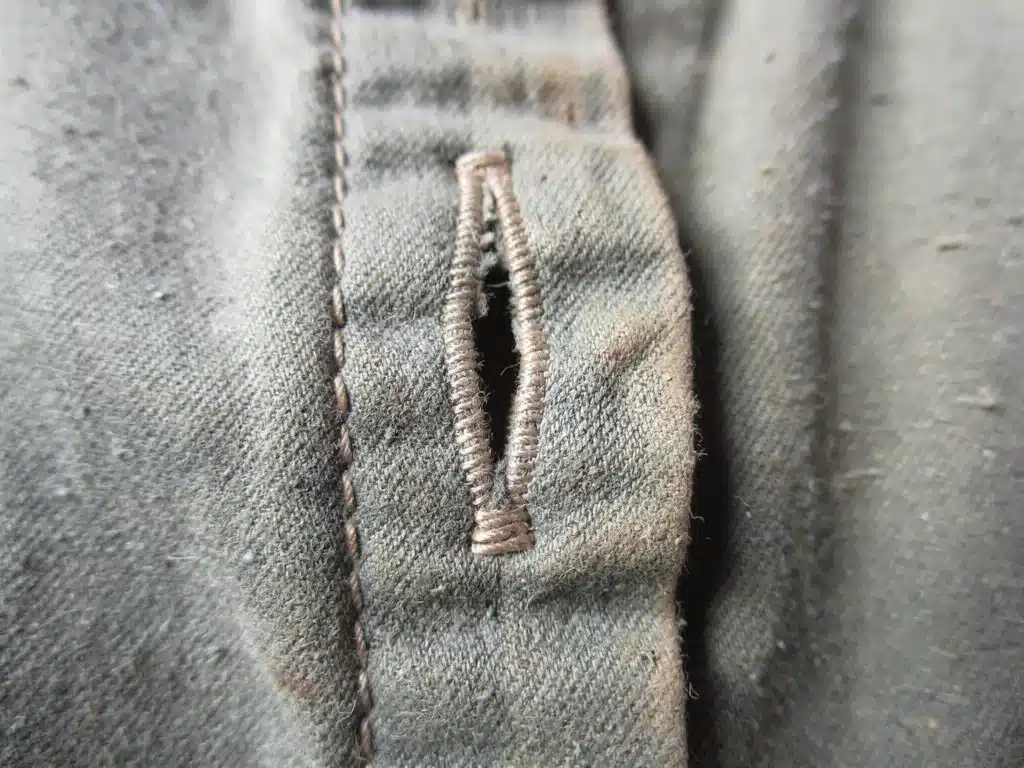
Before embarking on any repair, it’s essential to understand what makes a buttonhole function and how it typically degrades over time. A buttonhole, at its core, is an opening in fabric reinforced with stitching to prevent fraying and allow a button to pass through. Vintage garments often feature hand-stitched or early machine-stitched buttonholes, each with its own unique characteristics and vulnerabilities.
Common types of damage to vintage buttonholes include fraying at the edges, tearing or stretching of the fabric around the opening, and loss of reinforcement stitches. These issues arise from repeated use, stress from buttoning and unbuttoning, and the natural deterioration of fibers. Recognizing the specific type of damage is the first critical step in devising an effective repair strategy, as it dictates the techniques and materials you’ll need.
types of vintage buttonholes
Vintage garments can showcase a variety of buttonhole styles. Understanding these can inform your repair approach.
- Hand-stitched buttonholes: Often found in older or bespoke garments, these are characterized by meticulous, dense stitches that form a strong, corded edge.
- Machine-stitched buttonholes (early models): Less refined than modern machine buttonholes, these can sometimes be prone to unraveling if a single thread breaks.
- Bound buttonholes: A more decorative and complex type, where fabric strips are folded and stitched to create the opening, often seen in tailored coats and jackets.
Each style demands a slightly different touch during repair, emphasizing the importance of careful observation. For instance, a hand-stitched buttonhole might require individual stitches to be recreated, while a machine-stitched one might benefit from a reinforcing patch behind the fabric.
The integrity of a buttonhole is paramount to a garment’s functionality. Without a secure buttonhole, a coat won’t stay closed, a dress won’t fit properly, and the overall longevity of the item is compromised. Addressing these issues promptly and correctly ensures that the garment remains wearable and its historical value is maintained for years to come. This foundational understanding sets the stage for successful restoration.
essential tools and materials for buttonhole repair
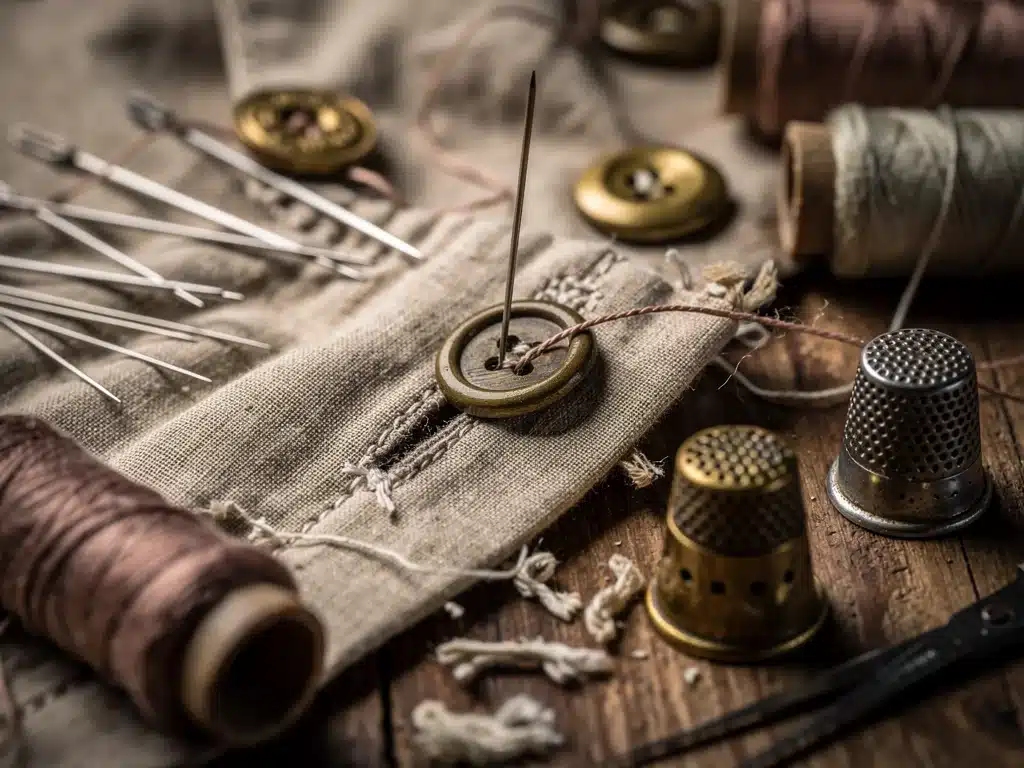
Successful repairing vintage buttonholes hinges on having the right tools and materials at your disposal. Much like a surgeon needs precise instruments, a textile conservator requires a specialized kit to perform delicate mends. Investing in quality supplies not only makes the process easier but also ensures a more durable and aesthetically pleasing result. Skimping on tools can lead to frustration and a less than ideal repair, potentially causing further damage to the vintage fabric.
Your basic repair kit should include a selection of needles, threads, and small cutting tools. Beyond these staples, specialized items like thimbles, magnifying glasses, and fabric stabilizers will elevate your repair capabilities. Each tool plays a specific role in ensuring precision and minimizing stress on delicate vintage textiles, allowing you to work with confidence and achieve professional-looking results.
selecting the right thread and needle
The choice of thread is perhaps the most crucial decision. It needs to match the original buttonhole thread in fiber content, weight, and color as closely as possible. For most vintage garments, this means opting for natural fibers like cotton, silk, or linen. Synthetic threads, while strong, can sometimes look out of place on older fabrics.
- Thread weight: Use a thread weight that closely matches the original. Too thick, and it will be bulky; too thin, and it won’t provide adequate reinforcement.
- Color matching: Always test thread colors in natural light against the garment. Subtle variations can become very obvious once stitched.
- Needle size: A fine, sharp needle (such as a sharps or embroidery needle) is essential for penetrating tightly woven fabrics without snagging or damaging fibers.
A thimble is not optional when working with vintage fabrics; it protects your finger and helps push the needle through dense material. A good light source and a magnifying glass will also be invaluable for seeing fine details and ensuring precise stitching. These seemingly small details collectively contribute to the success of your repair, making the process more enjoyable and the outcome more satisfying.
step-by-step guide to repairing frayed buttonholes
Fraying is arguably the most common issue encountered when repairing vintage buttonholes. It occurs when the reinforcing stitches or the fabric itself begins to unravel, leaving loose threads that weaken the buttonhole’s structure. Addressing fraying promptly is crucial to prevent further deterioration and maintain the garment’s integrity. This repair technique focuses on stabilizing the existing structure and reinforcing the edges to restore functionality and appearance.
The process involves careful preparation, meticulous stitching, and a keen eye for detail. Rushing through any step can lead to a less durable repair or an unsightly finish. Patience and precision are your best allies here, ensuring that the repaired buttonhole blends seamlessly with the original and can withstand regular use. Remember, the goal is not just to fix the damage but to preserve the garment’s original character.
initial preparation and stabilization
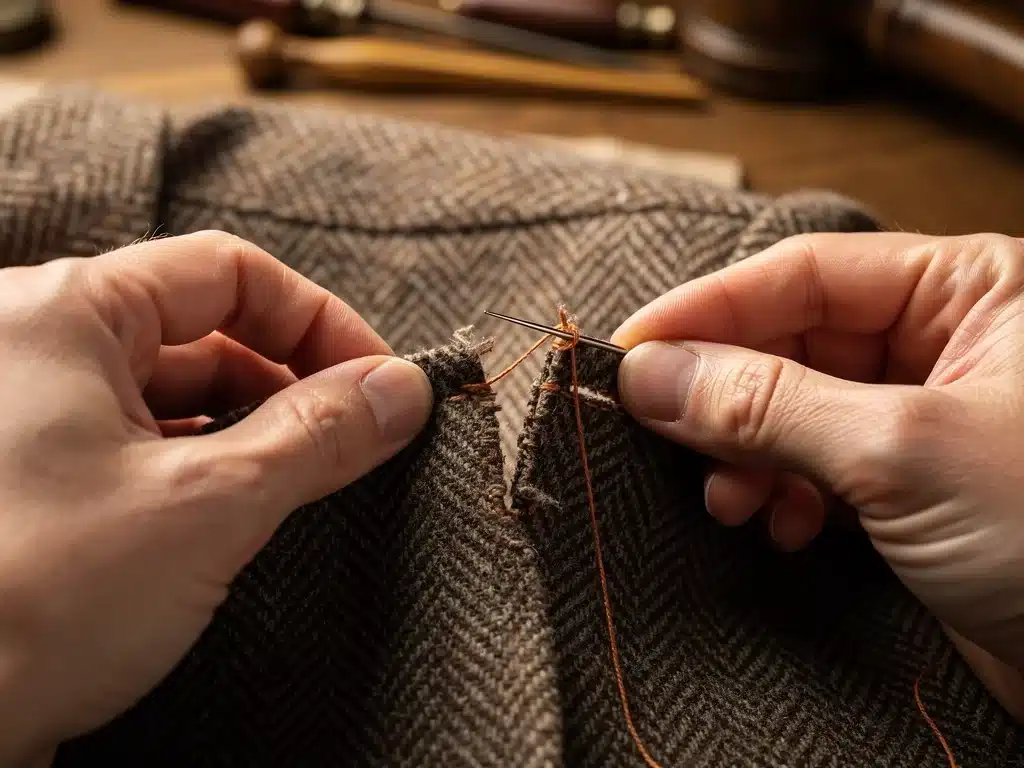
Before you even pick up a needle, the preparation phase is critical. Lay the garment flat and examine the buttonhole under good light, possibly with a magnifying glass. Trim any excessively long or loose threads carefully with small, sharp scissors, being careful not to cut into the stable fabric.
- Stabilize the area: If the fabric around the buttonhole is very weak or thin, consider applying a small piece of fusible interfacing or a finely woven patch on the wrong side of the fabric. This provides a stable base for your stitches.
- Pinning: Use very fine pins to gently hold any remaining intact fabric edges in place, preventing them from shifting during the repair.
- Thread selection: Choose a thread that matches the original buttonhole thread in color, fiber, and weight.
Once the area is prepared, thread your needle with a single strand of your chosen thread. A single strand is less bulky and allows for finer, more precise stitches, which are essential for blending the repair with the existing buttonhole. Knot the end of the thread securely, but keep the knot small to minimize bulk.
the stitching process: blanket stitch and whipstitch
The blanket stitch (also known as buttonhole stitch) is the workhorse of buttonhole repair, providing a strong, corded edge that mimics the original reinforcement. For areas where the fabric is significantly frayed or torn, a whipstitch can be used first to secure the raw edges before applying the blanket stitch.
Start your blanket stitch from the wrong side of the fabric, bringing the needle up through the fabric very close to the edge of the buttonhole opening. Form a loop with the thread, then pass the needle back through the fabric from the right side to the wrong side, catching the loop with the needle before pulling it tight. This creates a small, reinforced edge. Continue these stitches closely together, working around the entire buttonhole. Aim for even tension and consistent stitch length to ensure a neat finish.
For more severe damage, where the buttonhole has widened or torn, you might need to rebuild a small section of the fabric. This can involve darning with very fine stitches across the gap, then reinforcing these darning stitches with blanket stitches. This meticulous approach ensures that the repair is not only visually appealing but also structurally sound, restoring the garment’s functionality and extending its life significantly.
addressing tears and stretched buttonholes
Beyond simple fraying, vintage buttonholes can suffer from more significant damage, such as outright tears or excessive stretching. These issues present a greater challenge, as they involve actual loss or distortion of fabric. However, with the right techniques and a steady hand, even these more complex problems can be effectively remedied, further showcasing the power of repairing vintage buttonholes to preserve a garment’s longevity. The key is to approach these repairs with a focus on both structural integrity and aesthetic continuity.
Tears often occur at the ends of the buttonhole, where stress is concentrated, while stretching can happen along the entire length from repeated pulling. Both require more than just reinforcing stitches; they demand a method that either bridges a gap or tightens a stretched opening. The goal is to restore the buttonhole to its original size and strength, making it fully functional once again without being overtly noticeable.
repairing tears at buttonhole ends
Tears at the ends of a buttonhole are particularly problematic because these are the points of greatest stress. To repair them, you’ll often need to incorporate a small patch or use a darning technique to rebuild the lost fabric. Start by carefully trimming any extremely frayed edges, but only if they are beyond salvaging. You want to preserve as much of the original fabric as possible.
- Underlying patch: For larger tears, cut a small piece of finely woven fabric (matching the original garment’s weight and color, if possible) and place it underneath the torn area. Secure it with tiny running stitches.
- Darning: With a fine needle and matching thread, weave stitches back and forth across the tear, creating a new fabric matrix. Ensure your stitches are close together and mimic the fabric’s weave.
- Reinforce with buttonhole stitch: Once the tear is mended, work a buttonhole stitch around the entire opening, encapsulating your darning or patch work and providing robust reinforcement.
The objective here is to create a strong, stable foundation before applying the final buttonhole stitches. This layered approach ensures that the repair will hold up to repeated stress, preventing the tear from recurring. It’s a meticulous process, but the results are a testament to the garment’s renewed strength.
tightening stretched buttonholes
A stretched buttonhole loses its ability to securely hold a button, rendering it useless. To tighten a stretched opening, you need to draw the fabric back together and reinforce it. This can often be achieved by working additional, very close buttonhole stitches along the inner edge of the stretched opening.
Begin by carefully pushing the stretched fabric inwards with your fingers, trying to reduce the size of the opening. Then, using a matching thread, work a series of tight, closely packed buttonhole stitches along the inner perimeter. These stitches act like tiny cinches, drawing the fabric closer and reinforcing the edge. You might need to make several passes, gradually tightening the opening until it reaches its desired size. This method effectively rebuilds the buttonhole’s structure, returning it to its functional dimensions and significantly adding to the garment’s overall lifespan.
advanced techniques and considerations
While basic fray and tear repairs cover many scenarios, some vintage buttonholes present unique challenges that call for more advanced techniques. These might involve working with delicate or unusual fabrics, dealing with significant fabric loss, or aiming for an invisible repair on a prominent garment. Mastering these advanced skills solidifies your ability in repairing vintage buttonholes, transforming you from a mender into a true conservator of textile history. These methods often require a deeper understanding of fabric structure and a higher degree of manual dexterity.
Advanced considerations also include the choice of backing materials and the application of specialized finishing touches. The goal moves beyond mere functionality to achieving an aesthetic that is virtually indistinguishable from the original, preserving the garment’s authentic vintage appeal. This level of repair demands patience, practice, and a willingness to meticulously recreate historical craftsmanship.
recreating missing buttonhole sections
In cases where a significant portion of a buttonhole is entirely missing due to extensive tearing or degradation, recreation becomes necessary. This is a complex process that often involves fabric infilling and meticulous hand-stitching.
- Fabric infill: If possible, source a small piece of fabric from an inconspicuous area of the garment (e.g., an inner seam allowance) or a donor fabric that perfectly matches the original in weave, weight, and color.
- Attaching the infill: Carefully shape the infill piece to match the missing section. Using very fine slip stitches or ladder stitches, attach the infill to the existing garment fabric, ensuring the seams are as invisible as possible.
- Re-stitching the buttonhole: Once the fabric is restored, meticulously re-stitch the buttonhole using the blanket stitch, following the pattern and density of the original buttonholes on the garment.
This technique demands precision in cutting and stitching the infill, as well as a careful hand in replicating the original buttonhole style. The aim is to make the new section blend so seamlessly that it appears to have always been part of the garment, a true testament to the skill involved.
working with delicate fabrics and decorative buttonholes
Delicate fabrics like silk, lace, or finely woven wools require an even lighter touch. The key is to minimize stress on the fabric during repair. Use the finest needles and threads available, and consider using a hoop or frame to stabilize the fabric while you work.
For decorative buttonholes, such as bound buttonholes or those with intricate embroidery, the repair must respect the original design. This might involve carefully unpicking a small section, repairing the underlying fabric, and then re-folding or re-embroidering the decorative elements. Documenting the original construction with photographs before starting can be invaluable for accurate recreation. These advanced considerations ensure that even the most challenging vintage buttonholes can be brought back to life, extending the garment’s longevity and preserving its unique charm.
preventative care and maintenance for vintage garments
While repairing vintage buttonholes is a vital skill, preventing damage in the first place is equally important for extending garment longevity. Proactive care and mindful handling can significantly reduce the likelihood of buttonholes fraying, stretching, or tearing. Vintage textiles are often more fragile than modern fabrics, making consistent maintenance a cornerstone of preservation. Adopting a routine of careful handling and storage will ensure your cherished pieces remain in excellent condition for generations.
Preventative measures extend beyond just the buttonholes themselves; they encompass the entire garment. Understanding how to properly wear, clean, and store vintage clothing plays a crucial role in safeguarding its structural integrity. By minimizing stress and exposure to harmful elements, you can delay the need for extensive repairs and keep your vintage wardrobe looking its best.
proper handling and storage
How you handle and store your vintage garments directly impacts the stress placed on buttonholes. Always unbutton garments gently, avoiding harsh pulling or tugging. When dressing, guide the button through the buttonhole rather than forcing it.
- Correct hangers: Use padded hangers for jackets and coats to prevent distortion around the button placket.
- Fold heavy items: For knits or very heavy garments, folding them rather than hanging can reduce stress on shoulders and buttonholes.
- Spacious storage: Ensure garments have enough space in your closet to avoid crushing, which can deform buttonholes and buttons.
When storing garments long-term, consider placing acid-free tissue paper between layers of folded clothing, especially around buttonholes, to prevent abrasion. This thoughtful approach to handling and storage creates an environment that minimizes wear and tear, allowing the fabric and its delicate features to remain intact.
mindful cleaning and regular inspections
Cleaning vintage garments requires a delicate touch. Always follow care labels if they exist, or opt for professional dry cleaning by a conservator experienced with vintage textiles. Harsh washing or drying methods can weaken fibers and accelerate buttonhole damage. If handwashing, use a gentle detergent and avoid twisting or wringing the fabric, which can distort buttonholes.
Regular inspections are perhaps the most effective preventative measure. Periodically examine all buttonholes for any signs of nascent fraying, loose stitches, or stretching. Catching these issues early allows for minor, less invasive repairs that are quicker and easier to perform than addressing extensive damage. A small, loose thread can be secured with a few stitches, preventing it from escalating into a significant tear. This proactive vigilance is key to preserving the beauty and functionality of your vintage wardrobe, ensuring that each garment continues to tell its story for many more years.
the long-term value of skilled buttonhole repair
The act of repairing vintage buttonholes transcends mere mending; it is a profound investment in the longevity and historical integrity of a garment. Each carefully placed stitch not only restores functionality but also contributes to the preservation of textile heritage. In an era dominated by fast fashion and disposability, the commitment to repairing and extending the life of vintage clothing stands as a sustainable and deeply rewarding practice. This skill doesn’t just save a buttonhole; it saves a piece of history, ensuring its story continues for future generations to appreciate and wear.
Beyond the practical benefits, there’s an intrinsic value in knowing you’ve personally contributed to the endurance of a beloved item. The satisfaction derived from seeing a once-damaged buttonhole restored to its former glory is immense. This meticulous craft elevates the garment’s value, both sentimental and potentially monetary, turning a fragile relic into a robust, wearable piece once more.
preserving historical integrity and craftsmanship
Vintage garments are more than just clothes; they are artifacts of their time, reflecting past styles, manufacturing techniques, and social customs. A damaged buttonhole, if left unaddressed or poorly repaired, can detract from this historical integrity. Skilled repair, on the other hand, respects the original craftsmanship while ensuring the garment remains true to its origins.
- Authenticity: Proper repair maintains the garment’s authenticity, preserving its original design and construction methods.
- Craftsmanship: Replicating original stitches and techniques honors the artisans who created the garment decades ago.
- Storytelling: A well-preserved garment continues to tell its story, offering insights into fashion history and textile evolution.
By meticulously repairing a vintage buttonhole, you are not just patching a hole; you are engaging in a dialogue with the past, ensuring that the garment’s narrative remains unbroken. This dedication to preservation is a cornerstone of responsible vintage collecting and wearing, contributing significantly to the broader appreciation of historical textiles.
economic and environmental benefits
The decision to repair rather than replace a garment carries significant economic and environmental advantages. Extending the life of clothing reduces waste, lessens demand for new production, and saves money in the long run. Repairing vintage buttonholes is a prime example of this sustainable mindset in action.
Economically, a well-repaired vintage item can retain or even increase its value, especially if it’s a rare or designer piece. Environmentally, by choosing to mend, you are actively participating in the circular economy, diverting textiles from landfills and reducing your carbon footprint. This practice aligns perfectly with a growing global awareness of sustainability and conscious consumption. Ultimately, the skill of repairing vintage buttonholes is a powerful tool for both personal gratification and global responsibility, reinforcing the idea that true value lies in longevity and thoughtful care.
tools and resources for continuous learning
The journey of repairing vintage buttonholes, like any craft, is one of continuous learning and refinement. Even after mastering the foundational techniques, there’s always more to discover, from specialized stitches to working with unique fabric types. Access to reliable tools and educational resources is crucial for developing your skills further and tackling increasingly complex repair challenges. The world of textile conservation is vast, and engaging with it actively will enhance your expertise and confidence.
From online tutorials to specialized workshops and communities of fellow enthusiasts, opportunities for growth are abundant. Embracing these resources not only improves your practical abilities but also connects you with a broader network of knowledge and support. This ongoing engagement ensures that your passion for vintage garments remains vibrant and your repair skills continually evolve.
online tutorials and communities
The digital age offers an unparalleled wealth of information for textile repair enthusiasts. YouTube channels, dedicated blogs, and online forums provide step-by-step video guides, detailed articles, and opportunities to ask questions and share experiences.
- Video demonstrations: Visual learners will benefit immensely from videos that show the precise movements of needle and thread for various stitches.
- Online forums and groups: Joining communities focused on vintage sewing or textile repair allows you to connect with experienced individuals, troubleshoot problems, and get personalized advice.
- Specialized blogs: Many textile conservators and skilled hobbyists share their expertise through blogs, offering insights into historical techniques and challenging repairs.
These online resources often feature detailed close-ups and explanations that are invaluable for understanding the nuances of vintage buttonhole repair. They provide a flexible and accessible way to learn at your own pace, from the comfort of your home, making advanced techniques attainable for everyone.
workshops and advanced courses
For those seeking a more immersive and hands-on learning experience, workshops and advanced courses offer direct instruction from experts. These can range from local sewing classes to specialized textile conservation programs offered by museums or craft schools.
Attending a workshop provides the unique opportunity to receive immediate feedback on your technique, practice on various fabric types, and learn directly from a master artisan. These settings often cover advanced topics such as fabric analysis, dye matching, and the ethical considerations of textile conservation. Engaging in such structured learning environments can significantly accelerate your skill development and provide a deeper theoretical understanding of textile repair. Investing in these educational opportunities is an investment in your craft, ensuring you can tackle any vintage buttonhole repair with competence and artistry, thereby maximizing the longevity and beauty of every garment you touch.
| Key Point | Brief Description |
|---|---|
| Understanding Damage | Identify fraying, tears, or stretching to choose the correct repair method for vintage buttonholes. |
| Essential Tools | Gather fine needles, matching threads, thimbles, and stabilizers for precise and effective repairs. |
| Repair Techniques | Utilize blanket stitch for fraying, darning for tears, and careful restitching for stretched openings. |
| Preventative Care | Proper handling, storage, and regular inspections significantly extend garment lifespan. |
frequently asked questions about vintage buttonhole repair
The most frequent issues include fraying at the edges, tears or splits, and stretching of the buttonhole opening. These damages often result from repeated use, stress, and the natural degradation of older textile fibers, making them less secure over time.
Beginners should have fine, sharp needles, a selection of matching threads (cotton or silk), small sharp scissors, a thimble, and good lighting. A magnifying glass can also be incredibly helpful for seeing fine details and ensuring precision.
Most vintage buttonholes can be repaired to some extent. However, if the surrounding fabric is severely degraded, brittle, or completely torn away, a full restoration might be impractical or require extensive fabric reconstruction. Minor issues are usually very fixable.
Prevention involves gentle handling, unbuttoning garments carefully, using appropriate hangers, and avoiding harsh cleaning methods. Regular inspections for early signs of wear are also crucial for catching and addressing problems before they worsen.
For authenticity and precision, hand-stitching is generally preferred for repairing vintage buttonholes. It allows for greater control, better blending with original stitches, and is less likely to cause further damage to delicate vintage fabrics, preserving the garment’s integrity.
conclusion
The journey through the intricate world of repairing vintage buttonholes reveals it to be far more than a simple sewing task; it is an art form, a historical preservation effort, and a sustainable practice. By dedicating time and precision to this skill, enthusiasts and conservators alike can significantly extend the life of cherished vintage garments, ensuring their beauty and functionality endure. Each repair is a testament to the value of craftsmanship, patience, and a deep appreciation for textile heritage. Embracing these techniques not only revitalizes individual pieces but also contributes to a broader culture of mindful consumption and lasting style, proving that true value often lies in what we choose to mend and cherish.