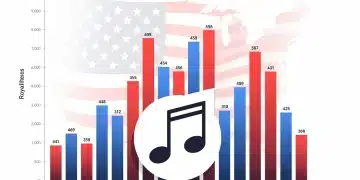
Vinyl Sales Surge: 15% Rise in US, Impact on Artists
Advertisements
The recent 15% surge in US vinyl sales over the past six months signifies a powerful rekindling of interest in physical music formats, offering artists new avenues for revenue, fan engagement, and creative expression in a digital-first era.
The music industry is constantly evolving, and recent data points to a fascinating trend: a 15% rise in vinyl sales rise across the US in the last six months. This isn’t just a nostalgic blip; it’s a significant shift that carries profound implications for artists, both established and emerging. What does this resurgence mean for their careers, their income, and their connection with fans?
Advertisements
The enduring appeal of physical music: why vinyl is back
The recent 15% increase in vinyl sales isn’t an isolated event but rather a continuation of a trend that has been quietly building for over a decade. In an age dominated by digital downloads and streaming services, the tactile experience of vinyl records stands out. Consumers are increasingly seeking more meaningful and tangible connections with their music, moving beyond the ephemeral nature of digital files.
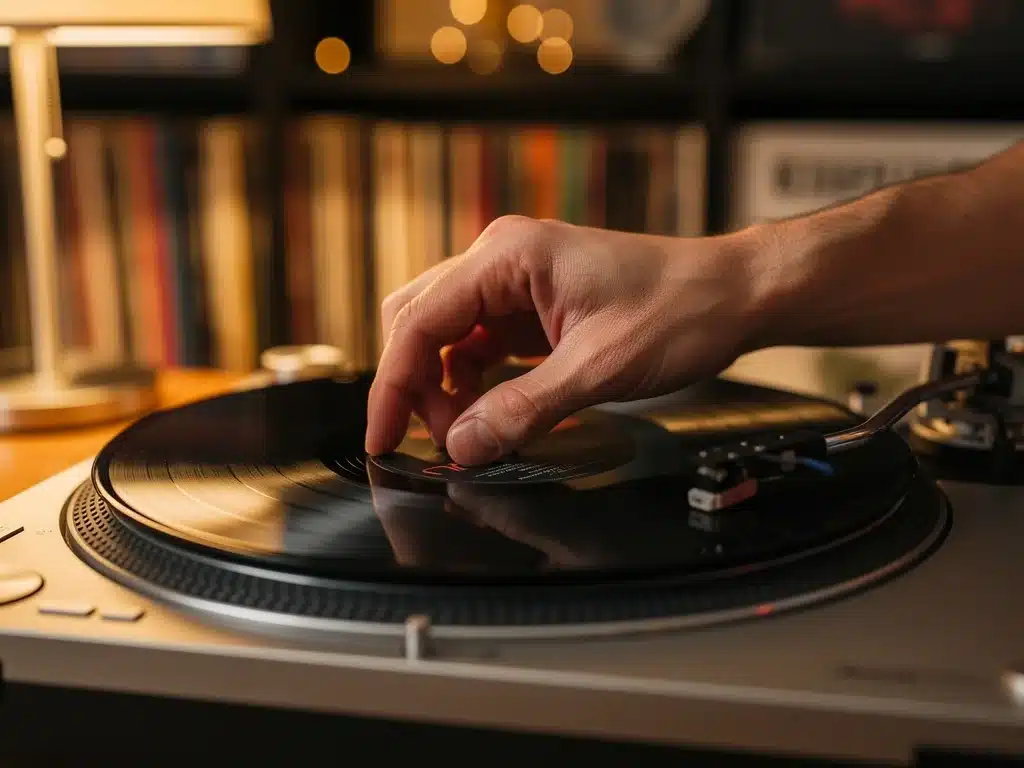
This renewed interest often stems from a desire for higher fidelity audio, the aesthetic appeal of album art, and the ritualistic process of playing a record. Many listeners describe the experience as more immersive and intentional, fostering a deeper appreciation for the music itself. It’s a deliberate act, not just background noise.
The sensory experience and collector’s culture
Vinyl offers a multi-sensory experience that digital formats simply cannot replicate. From the crackle of the needle to the warmth of the sound, and the visual artistry of the album cover, it caters to a different kind of listener. This has fueled a vibrant collector’s culture, where fans not only consume music but also curate physical libraries.
- Tactile engagement: Holding an album, reading liner notes, and admiring artwork creates a tangible bond.
- Superior sound: Many audiophiles argue that vinyl provides a warmer, richer sound quality.
- Collectible value: Limited editions, colored vinyl, and special packaging make records highly sought after.
- Ritualistic listening: The act of selecting, cleaning, and playing a record enhances the listening experience.
The collector’s market also plays a crucial role. Fans are not just buying music; they are investing in art, history, and a piece of their favorite artist’s legacy. This transforms the consumer into a patron, fostering a stronger sense of loyalty and community around the artist.
In conclusion, vinyl’s enduring appeal is rooted in its ability to offer a rich, multi-dimensional experience that transcends mere audio playback. It taps into a desire for authenticity, craftsmanship, and a deeper connection with music, making it a compelling choice for a growing segment of music lovers.
New revenue streams for artists: beyond streaming royalties
For many years, artists have grappled with the notoriously low royalty rates offered by streaming services. The resurgence of vinyl sales offers a refreshing alternative, providing a more direct and often more profitable revenue stream. While the cost of production for vinyl can be higher, the selling price and profit margins per unit are significantly greater compared to a single stream.
Artists can leverage vinyl not just as a music delivery format but as a premium product. This allows for higher price points, justified by the quality of the physical product, the artwork, and the overall experience it provides to the fan. This shift can be a game-changer for independent artists, who often struggle to make a living solely from streaming.
Maximizing profit through direct-to-fan sales
One of the most impactful aspects of the vinyl sales rise for artists is the opportunity for direct-to-fan sales. Selling records through their own websites, at live shows, or via independent record stores allows artists to retain a much larger percentage of the revenue, bypassing traditional distribution channels that often take a substantial cut.
- Higher profit margins: Eliminating intermediaries means more money goes directly to the artist.
- Enhanced fan engagement: Direct sales create a personal connection and loyalty.
- Merchandise bundling: Vinyl can be bundled with other merchandise like t-shirts or posters for increased value.
- Exclusive content: Offering exclusive tracks or artwork on vinyl can drive sales.
This direct engagement not only boosts income but also strengthens the artist-fan relationship. Fans appreciate knowing their money directly supports the creators they admire, fostering a sense of community and shared investment in the artist’s success. This model empowers artists to control their narrative and their financial destiny more effectively.
In summary, the growth in vinyl sales presents a crucial opportunity for artists to diversify their income beyond streaming, capitalizing on higher profit margins and the power of direct-to-fan engagement to build a more sustainable career.
Strengthening artist-fan connections through vinyl
Beyond financial gains, the vinyl sales rise fosters a deeper, more personal connection between artists and their audience. In the digital age, where music consumption can feel impersonal, vinyl reintroduces a tangible element that encourages interaction and appreciation. Fans who purchase vinyl are often more dedicated, viewing their purchase as an investment in the artist and their craft.
This connection extends to the physical experience of holding an album, reading liner notes, and exploring the artwork, all of which provide a richer context for the music. Artists can further cultivate this by including personalized messages, exclusive content, or unique packaging with their vinyl releases, turning each record into a collector’s item and a piece of memorabilia.
The role of exclusive content and limited editions
Artists are increasingly using vinyl releases as a platform for exclusive content, limited editions, and unique packaging to entice collectors and deepen fan loyalty. This strategy transforms a simple music purchase into a coveted experience, making fans feel more connected and valued.
- Special artwork: Unique visual designs and larger format artwork that isn’t available digitally.
- Bonus tracks: Exclusive songs or remixes that can only be found on the vinyl release.
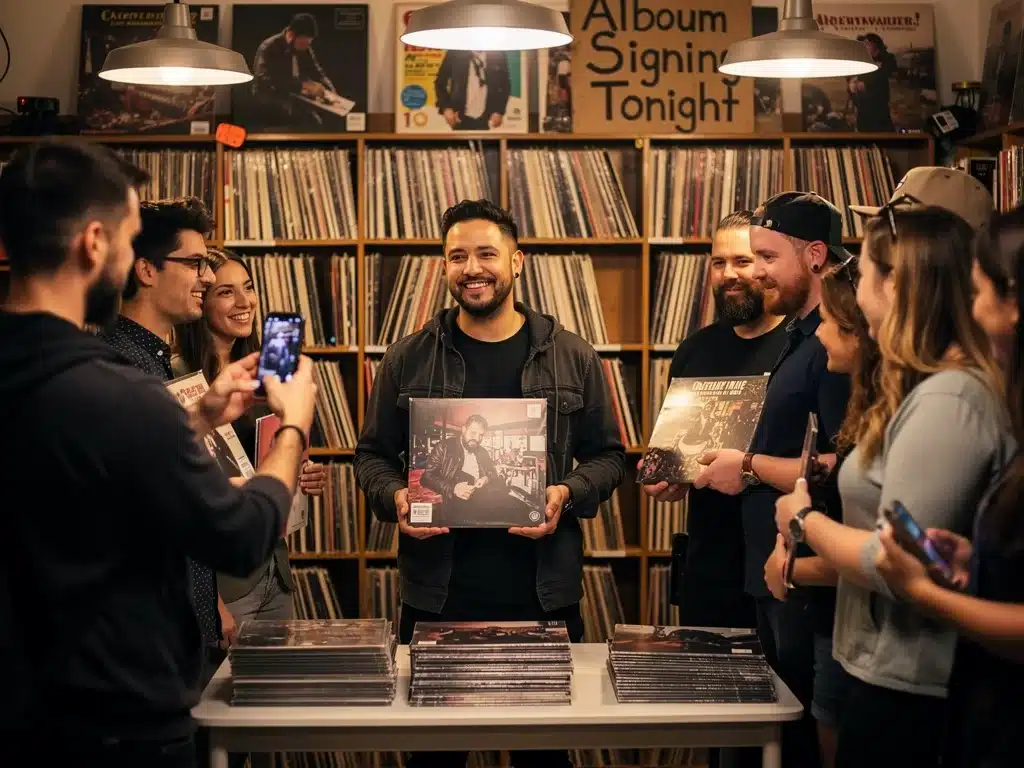
- Signed copies: Autographed records create a direct, personal link between artist and fan.
- Colored vinyl: Unique color variations make records more visually appealing and collectible.
These exclusive offerings not only drive sales but also create buzz and excitement around releases. Fans discuss these special editions online, share photos, and build communities around their shared passion for collecting. This organic promotion further amplifies the artist’s reach and strengthens their brand.
In conclusion, vinyl serves as a powerful tool for artists to forge more meaningful and lasting relationships with their fanbase. By offering a tangible, immersive, and often exclusive product, artists can transform casual listeners into devoted collectors and advocates.
Challenges and considerations for artists in the vinyl market
While the 15% rise in vinyl sales presents exciting opportunities, artists must also navigate several challenges inherent in this market. The production process for vinyl records is significantly more complex and costly than digital distribution, requiring substantial upfront investment and longer lead times. This can be particularly challenging for independent artists with limited budgets and resources.
Furthermore, the physical nature of vinyl introduces logistical hurdles such as storage, shipping, and potential damage during transit. Artists need to consider packaging, distribution networks, and inventory management, all of which add layers of complexity not present in the digital realm. The market, while growing, is also competitive, requiring artists to differentiate their offerings.
Production costs and lead times
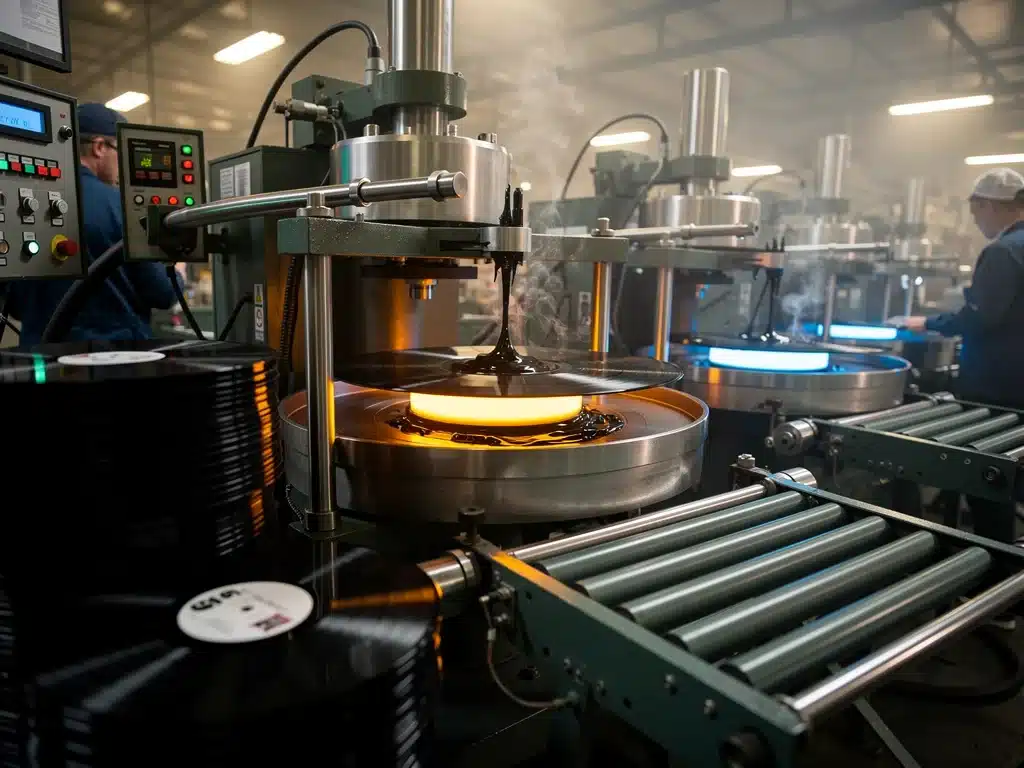
The cost of pressing vinyl records has risen in recent years due to increased demand and material costs. This, combined with extended lead times from pressing plants, means artists need to plan their releases well in advance and secure funding for production. A typical vinyl run can take several months from order to delivery.
- High upfront investment: Minimum order quantities and per-unit costs can be substantial.
- Extended production schedules: Waiting times at pressing plants can be several months.
- Logistical complexities: Storage, packaging, and shipping require careful planning.
- Quality control: Ensuring high-quality pressings is crucial for fan satisfaction.
These factors necessitate careful financial planning and strategic decision-making. Artists must weigh the potential for higher profit margins against the initial investment and the potential risks involved. It’s a balancing act that requires a solid understanding of both the creative and business aspects of music production.
Overall, while the vinyl market offers significant rewards, artists must be prepared to tackle the complexities of physical production and distribution. Strategic planning and a clear understanding of the market are essential for success.
The impact on music genres and independent artists
The resurgence of vinyl isn’t uniform across all music genres, nor does it affect all artists equally. While rock, indie, jazz, and electronic music have historically strong ties to physical formats, the vinyl sales rise is now impacting a broader spectrum of genres. This expansion creates new opportunities for artists in areas that might not have traditionally considered vinyl a primary release format.
Independent artists, in particular, stand to benefit immensely. Without the marketing budgets of major labels, vinyl offers a tangible product that can cut through the digital noise. It provides a unique selling proposition at live shows and through direct-to-fan channels, allowing them to build a dedicated following and generate more substantial income per sale than streaming.
Empowering independent artists and niche genres
For independent artists, vinyl can be a powerful tool for self-promotion and financial independence. It allows them to offer a premium product that reflects their artistic vision, from the music itself to the packaging and artwork. This level of control is often unavailable in the streaming ecosystem.
- Niche market penetration: Vinyl caters to dedicated fans of specific genres, creating loyal communities.
- Enhanced visibility: Physical records in stores can lead to discovery by new listeners.
- Tour merchandise: Selling vinyl at gigs is a significant revenue source for touring artists.
- Creative control: Artists have full say over the presentation and packaging of their music.
Moreover, the independent record store network plays a vital role in supporting these artists. These stores often champion local and niche artists, providing a platform for their vinyl releases and fostering a sense of community around independent music. This symbiotic relationship helps both artists and local businesses thrive.
In conclusion, the vinyl resurgence is democratizing the music industry to some extent, offering independent artists and niche genres a powerful, tangible medium to connect with fans, generate revenue, and assert creative control in a competitive landscape.
Future outlook: sustaining the vinyl momentum
With a 15% increase in vinyl sales rise over the past six months, the question naturally arises: can this momentum be sustained? Industry experts and market analysts believe the trend is more than a fleeting fad. The factors driving vinyl’s comeback—the desire for tangible goods, superior audio quality, and a deeper connection to music—are deeply rooted consumer preferences that are likely to endure.
Innovation in vinyl production, such as more environmentally friendly pressing methods and improved distribution logistics, could further bolster its long-term viability. The continued engagement of younger generations, who are discovering vinyl for the first time, also points to a promising future for the format. It’s no longer just about nostalgia; it’s about a new generation appreciating the unique value proposition of physical music.
Technological advancements and environmental considerations
The future of vinyl isn’t solely dependent on consumer demand; it also hinges on advancements in manufacturing and a commitment to sustainability. As the market grows, there’s increasing pressure to address environmental concerns associated with plastic production.
- Eco-friendly vinyl: Development of bio-based or recycled vinyl materials.
- Improved pressing technology: Faster, more efficient production methods to meet demand.
- Optimized distribution: Streamlined logistics to reduce environmental footprint and costs.
- Hybrid formats: Potential integration with digital experiences, such as QR codes for bonus content.
These innovations could not only make vinyl production more sustainable but also more accessible and appealing to a wider range of artists and consumers. The industry is actively exploring solutions to ensure that the growth of vinyl is both robust and responsible.
To summarize, the future of vinyl appears strong, driven by evolving consumer preferences, technological innovation, and a growing commitment to sustainability. Artists who embrace this format strategically are likely to find a loyal and engaged audience for years to come.
| Key Aspect | Description |
|---|---|
| Revenue Diversification | Vinyl offers artists higher profit margins per unit compared to streaming, creating a crucial alternative income stream. |
| Fan Engagement | The tactile nature of vinyl and exclusive content strengthen the bond between artists and their dedicated fanbase. |
| Independent Artist Empowerment | Niche and independent artists find a powerful platform in vinyl for direct sales, promotion, and creative control. |
| Production Challenges | High costs, long lead times, and logistical complexities remain significant hurdles for vinyl production. |
Frequently asked questions about the vinyl resurgence
Vinyl sales are rising due to a desire for a tangible music experience, superior sound quality for audiophiles, and the appeal of collectible physical media. Many consumers seek a deeper, more intentional connection with music beyond ephemeral digital files, valuing the artwork and ritual of playing records.
Independent artists benefit from higher profit margins per unit on vinyl compared to streaming royalties. Direct-to-fan sales via their websites or at shows allow them to retain a larger share of revenue, providing a more sustainable income stream and reducing reliance on traditional distributors.
Key challenges include significant upfront production costs, long lead times from pressing plants, and logistical complexities related to storage, packaging, and shipping. These factors require substantial planning and financial investment, particularly for artists with limited resources and budgets.
Yes, vinyl significantly enhances artist-fan connections. The physical nature of records, coupled with exclusive content like special artwork or bonus tracks, creates a more personal and immersive experience. Fans often feel more invested in artists when they purchase a tangible, collectible item.
Industry analysis suggests the vinyl resurgence is a sustained trend, not a temporary fad. Driven by enduring consumer preferences for authenticity, sound quality, and tangible media, along with engagement from new generations, the market shows signs of continued growth and innovation, including eco-friendly production methods.
Conclusion
The 15% surge in US vinyl sales over the past six months is more than a fleeting trend; it represents a significant and potentially lasting shift in how consumers engage with music. For artists, this resurgence offers a vital opportunity to diversify revenue streams beyond streaming, foster deeper connections with their fanbase through tangible products, and exert greater creative control over their releases. While challenges such as production costs and logistical complexities remain, the enduring appeal of physical music, coupled with ongoing innovation, paints a promising picture for vinyl’s future. Artists who strategically embrace this format are well-positioned to thrive in an evolving music landscape, connecting with a dedicated audience eager for a richer, more authentic musical experience.