Fed’s 2026 Interest Rate Decisions: Economic Impact Analysis
Advertisements
The Federal Reserve’s 2026 interest rate decisions will significantly shape the US economic landscape, influencing inflation, employment, and financial market stability through carefully calibrated monetary policy adjustments.
Advertisements
As we look towards the economic horizon of 2026, understanding The Fed’s 2026 Interest Rate Decisions: Analyzing the Economic Impact of Potential Hikes becomes paramount for businesses, investors, and everyday Americans. The Federal Reserve’s actions, particularly concerning interest rates, are a powerful lever influencing everything from borrowing costs to job markets.
Understanding the Federal Reserve’s Mandate and Tools
The Federal Reserve operates with a dual mandate: to achieve maximum employment and maintain price stability. These two goals often require a delicate balancing act, especially in a dynamic economic environment. Their primary tool for influencing these objectives is the federal funds rate, which dictates the rate at which banks lend to each other overnight.
When the Fed adjusts this rate, it sends ripple effects throughout the entire financial system. A hike, for instance, makes borrowing more expensive across the board, from mortgages to business loans. Conversely, a cut aims to stimulate economic activity by making credit more accessible and affordable.
The dual mandate in action
The Fed’s decisions are not made in a vacuum; they are a response to current economic data and future projections. In 2026, the economic landscape will likely present its own unique challenges and opportunities, requiring careful consideration of various indicators.
- Maximum Employment: The Fed aims for an unemployment rate that is sustainable and doesn’t lead to inflationary pressures.
- Price Stability: Typically defined as an annual inflation rate of around 2%, this target is crucial for maintaining purchasing power.
- Financial Stability: Beyond its dual mandate, the Fed also plays a critical role in safeguarding the stability of the financial system.
The Federal Open Market Committee (FOMC) is the primary body responsible for making these crucial interest rate decisions. Comprising twelve members, including the seven members of the Board of Governors and presidents of five Federal Reserve Banks, the FOMC meets regularly to assess economic conditions and determine the appropriate course of action for monetary policy. Their collective expertise and diverse perspectives are essential in navigating complex economic scenarios.
In essence, the Fed’s mandate and the tools at its disposal are designed to steer the economy toward sustainable growth and stability. The decisions made in 2026 will reflect their assessment of how best to achieve these objectives amidst evolving economic conditions.
Forecasting Economic Conditions for 2026
Predicting economic conditions two years out is always challenging, as numerous variables can shift the trajectory of growth, inflation, and employment. However, by analyzing current trends and historical patterns, we can establish a framework for potential scenarios that will inform The Fed’s 2026 Interest Rate Decisions: Analyzing the Economic Impact of Potential Hikes.
Key indicators that the Fed will closely monitor include Consumer Price Index (CPI) data for inflation, Gross Domestic Product (GDP) growth rates, and various labor market statistics such as unemployment rates and wage growth. Geopolitical events, technological advancements, and shifts in global trade policies can also significantly impact the domestic economy.
Potential inflationary pressures
Inflationary pressures remain a central concern for central bankers worldwide. Supply chain dynamics, energy prices, and fiscal policies can all contribute to rising costs. If inflation remains stubbornly above the Fed’s 2% target, further rate hikes might be necessary to cool down the economy.
- Persistent Supply Chain Issues: Global disruptions could continue to push up prices.
- Energy Market Volatility: Fluctuations in oil and gas prices directly impact consumer costs.
- Wage-Price Spiral Concerns: Strong wage growth, if not matched by productivity, could fuel inflation.
On the other hand, a slowdown in global demand or a resolution of supply-side bottlenecks could ease inflationary pressures, potentially allowing the Fed more flexibility. The interplay between these forces will be critical in shaping the economic outlook for 2026. Moreover, consumer spending patterns, which represent a significant portion of economic activity, will be closely watched. A robust consumer base can fuel growth, but excessive demand might also contribute to inflationary pressures, requiring the Fed to consider a more restrictive monetary policy.
The Impact of Potential Rate Hikes on Inflation
One of the primary tools the Federal Reserve uses to combat inflation is raising interest rates. When the Fed increases the federal funds rate, it makes borrowing more expensive for commercial banks, which in turn leads to higher interest rates for consumers and businesses. This tightening of monetary policy is designed to reduce aggregate demand in the economy, thereby alleviating inflationary pressures.
A higher cost of borrowing discourages consumer spending on big-ticket items like homes and cars, and it also makes it more expensive for businesses to invest and expand. This reduction in demand helps to bring prices down. The effectiveness of these hikes, however, depends on the underlying causes of inflation.
Mechanisms of disinflation
The Fed’s strategy to curb inflation through rate hikes works through several channels:
- Reduced Consumer Spending: Higher loan rates deter discretionary purchases.
- Decreased Investment: Businesses face higher costs for capital, slowing expansion.
- Stronger Dollar: Higher rates can attract foreign investment, strengthening the dollar and making imports cheaper.
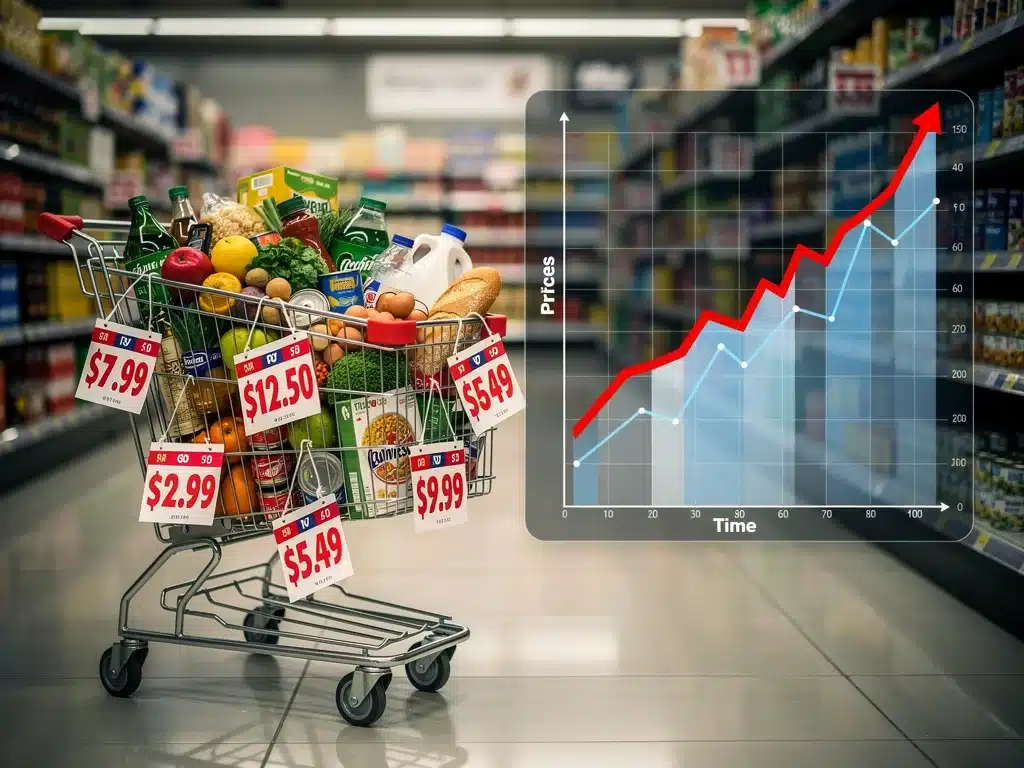
While effective, there is often a lag between when the Fed implements a rate hike and when its full effects are felt in the economy. This lag makes forecasting and policy calibration particularly challenging. If the Fed acts too aggressively, it risks pushing the economy into a recession; if it acts too slowly, inflation could become entrenched. The optimal path requires a nuanced understanding of current economic data and forward-looking projections.
In 2026, if inflation remains a significant concern, the Fed will likely continue to prioritize price stability through further rate adjustments. The degree of these adjustments will be heavily influenced by how quickly and effectively previous hikes have tempered price increases, as well as any new supply-side or demand-side shocks that emerge.
Effects on Employment and Wage Growth
While interest rate hikes are crucial for controlling inflation, they can also have significant implications for the labor market. Higher borrowing costs can slow economic growth, which in turn may lead to reduced hiring by businesses and potentially an increase in unemployment. The Federal Reserve must carefully weigh these potential trade-offs as it navigates The Fed’s 2026 Interest Rate Decisions: Analyzing the Economic Impact of Potential Hikes.
Businesses, facing higher costs for expansion and operations, may decide to postpone or cancel investment projects, which directly impacts job creation. Furthermore, if consumer demand weakens due to increased borrowing costs, companies might reduce their workforce to align with lower production needs. This delicate balance between price stability and maximum employment is at the core of the Fed’s policy challenges.
Balancing act: inflation vs. employment
The relationship between inflation and employment is often described by the Phillips Curve, suggesting an inverse relationship. However, this relationship can be complex and may shift over time. The Fed’s goal is to find a non-inflationary rate of unemployment.
- Slower Hiring: Businesses may become more cautious about expanding their workforce.
- Potential for Layoffs: In a significantly slowing economy, some sectors might experience job losses.
- Moderated Wage Growth: Reduced demand for labor could lead to slower wage increases.
However, it’s also important to consider that controlling rampant inflation can ultimately benefit the labor market by creating a more stable economic environment conducive to long-term growth. When inflation is out of control, it erodes purchasing power and creates uncertainty, which can be detrimental to both businesses and workers. Therefore, the Fed’s actions aim to create a sustainable economic foundation, even if it means some short-term pain in the labor market.
The Fed will closely monitor unemployment rates, job openings, and wage growth data in 2026 to assess the impact of its policies on employment. Any signs of significant deterioration in the labor market could prompt a reconsideration of its interest rate trajectory, potentially leading to a pause or even a reversal of rate hikes.
Impact on Financial Markets and Investment
The Federal Reserve’s interest rate decisions invariably send significant ripples through financial markets, affecting everything from stock valuations to bond yields and currency exchange rates. As we consider The Fed’s 2026 Interest Rate Decisions: Analyzing the Economic Impact of Potential Hikes, it’s crucial to understand how these policies influence investment strategies and market sentiment.
Higher interest rates generally make bonds more attractive relative to stocks, as their fixed income streams become more appealing in a higher-yield environment. This can lead to a rotation of capital from equities to fixed income. Additionally, higher rates increase the cost of capital for companies, which can depress corporate earnings and, consequently, stock prices. The discount rate used in valuing future earnings also rises, making future profits less valuable in present terms.
Market reactions to tighter policy
Investors and analysts will be keenly observing every announcement from the FOMC, looking for clues about the future direction of monetary policy. Market volatility often increases around these announcements as participants adjust their portfolios.
- Equity Market Volatility: Higher rates can lead to lower stock valuations and increased market uncertainty.
- Bond Yields Increase: Existing bonds become less attractive, while new issues offer higher returns.
- Stronger Dollar: Higher rates can attract foreign capital, strengthening the US dollar against other currencies.

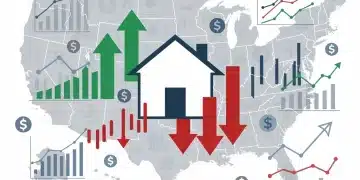
Real estate markets are also particularly sensitive to interest rate changes. Higher mortgage rates can cool down housing demand, making homeownership less affordable and potentially leading to a slowdown in construction and real estate transactions. This can have broader implications for consumer wealth and confidence.
For businesses, especially those reliant on debt financing, rising interest rates mean higher borrowing costs, which can squeeze profit margins and reduce investment in expansion or innovation. This impact can be particularly pronounced for smaller businesses with less access to diverse funding sources. Therefore, the Fed’s decisions in 2026 will be a critical factor in shaping the investment landscape and overall financial health of the economy.
Navigating Future Fed Decisions: Scenarios and Strategies
Given the inherent uncertainties in economic forecasting, considering various scenarios for The Fed’s 2026 Interest Rate Decisions: Analyzing the Economic Impact of Potential Hikes is a prudent approach. The Fed’s path will depend heavily on how inflation, employment, and global economic conditions evolve over the next couple of years. Different economic outcomes will necessitate different monetary policy responses.
One scenario could see inflation moderating to the Fed’s target, allowing for a more stable interest rate environment or even minor cuts if economic growth decelerates significantly. Another scenario might involve persistent inflationary pressures, forcing the Fed to maintain a restrictive stance or even implement further hikes. A third scenario could involve an unexpected economic shock, such as a major geopolitical event or a financial crisis, which would likely lead to a rapid shift in policy.
Potential policy paths
The Fed’s decision-making process is data-dependent, meaning they will react to incoming economic indicators rather than adhering to a rigid pre-set plan. This flexibility is essential for adapting to unforeseen circumstances.
- Soft Landing: Inflation cools without a significant economic downturn, allowing for a stable rate environment.
- Continued Tightening: Persistent inflation necessitates further rate hikes, potentially leading to slower growth.
- Economic Downturn: A severe recession could prompt rate cuts to stimulate recovery.
For individuals and businesses, understanding these potential scenarios is key to developing resilient financial strategies. This might involve stress-testing budgets against higher borrowing costs, diversifying investment portfolios, or building cash reserves to weather potential economic volatility. The ability to adapt to changing economic conditions will be a significant advantage.
Ultimately, the Fed’s goal is to achieve a sustainable and healthy economy. Their decisions in 2026 will reflect their best judgment on how to navigate the complex interplay of inflation, employment, and financial stability, always with an eye towards long-term prosperity. Proactive planning and informed decision-making will be crucial for all economic participants.
| Key Aspect | Brief Description |
|---|---|
| Inflation Control | Fed rate hikes aim to cool demand and reduce persistent price increases towards the 2% target. |
| Employment Impact | Higher rates can slow job growth and potentially increase unemployment, a key trade-off for the Fed. |
| Financial Markets | Rate hikes can depress stock valuations, increase bond yields, and strengthen the US dollar. |
| Economic Scenarios | Future policy depends on evolving inflation, employment, and global economic conditions, requiring adaptable strategies. |
Frequently Asked Questions About Fed Interest Rates
The Federal Reserve primarily raises interest rates to combat inflation. By making borrowing more expensive, it aims to reduce consumer spending and business investment, thereby cooling down economic demand and bringing prices back to a stable level, typically around its 2% target.
Interest rate hikes typically lead to higher mortgage rates for new loans. If you have a variable-rate mortgage, your payments will likely increase. For fixed-rate mortgages, your current payments remain unchanged, but refinancing or taking out new loans becomes more expensive.
While aggressive rate hikes can increase the risk of a recession by slowing economic growth, it’s not a guaranteed outcome. The Fed aims for a ‘soft landing,’ where inflation is controlled without triggering a significant economic downturn. The exact outcome for 2026 depends on various evolving economic factors.
The Federal Reserve’s dual mandate consists of achieving maximum employment and maintaining price stability. This means they strive to keep as many people employed as possible while also ensuring that inflation remains at a healthy, consistent level, typically around 2% annually.
Higher interest rates can negatively impact the stock market by increasing borrowing costs for companies, which can reduce their profits. Additionally, higher rates make bonds more attractive, potentially drawing investment away from stocks and leading to lower valuations.
Conclusion
The Federal Reserve’s 2026 interest rate decisions will undoubtedly be a pivotal factor in shaping the economic landscape of the United States. The intricate dance between controlling inflation, fostering maximum employment, and ensuring financial stability requires a nuanced and data-driven approach. As we have explored, potential rate hikes carry significant implications across various sectors, from consumer spending and housing to corporate investment and financial market performance. Navigating these dynamics will demand careful monitoring of economic indicators and a flexible monetary policy strategy from the Fed. For businesses and individuals alike, understanding these potential impacts and developing adaptable financial strategies will be essential to thrive in the evolving economic environment. The ultimate goal remains a resilient and prosperous economy for all.