Pop Culture’s Impact on Vintage Fashion: 1980s Style Boost
Advertisements
Pop culture can strongly influence vintage fashion by bringing historical styles back into contemporary media, social platforms, resale marketplaces, and everyday wardrobes. In 2026, renewed interest in bold colors, structured silhouettes, statement accessories, and other retro aesthetics shows how entertainment and nostalgia can shape fashion discovery.
The impact of pop culture on vintage fashion can be seen whenever television series, films, celebrities, music, and social media revive styles associated with earlier decades.
Rather than proving that one specific series increased 1980s vintage sales by an exact percentage, current fashion activity shows a broader relationship between entertainment, nostalgia, digital discovery, and renewed demand for retro-inspired clothing.
Advertisements
Understanding this relationship can help vintage retailers, fashion enthusiasts, and brands recognize why particular silhouettes, colors, accessories, and historical references suddenly return to mainstream attention.
How Streaming Series Can Influence Vintage Fashion
Streaming platforms expose large audiences to detailed visual worlds, allowing costume design, hairstyles, accessories, interiors, and cultural references from earlier decades to become familiar again.
When a successful series is strongly associated with a historical period, viewers may begin searching for similar clothing, creating renewed attention around authentic vintage pieces and contemporary interpretations of the same aesthetic.
This effect helps explain why 1980s vintage fashion can reappear in modern wardrobes even decades after the original styles first became popular.
Why Costume Design Matters
Costume designers can make a historical period immediately recognizable through silhouettes, fabrics, colors, footwear, jewelry, hairstyles, and other visual details associated with a particular era.
When viewers connect strongly with characters, clothing becomes part of that identification, encouraging audiences to recreate individual elements of an on-screen look rather than simply observing the costume.
The influence becomes stronger when fashion publications, retailers, creators, and social media users reinterpret those visual references for contemporary wardrobes and make them easier to discover.
Why 1980s Fashion Continues to Return
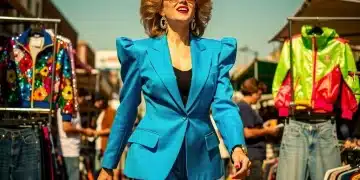
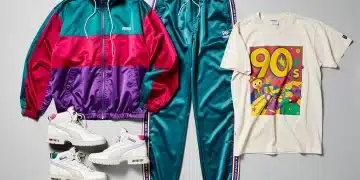
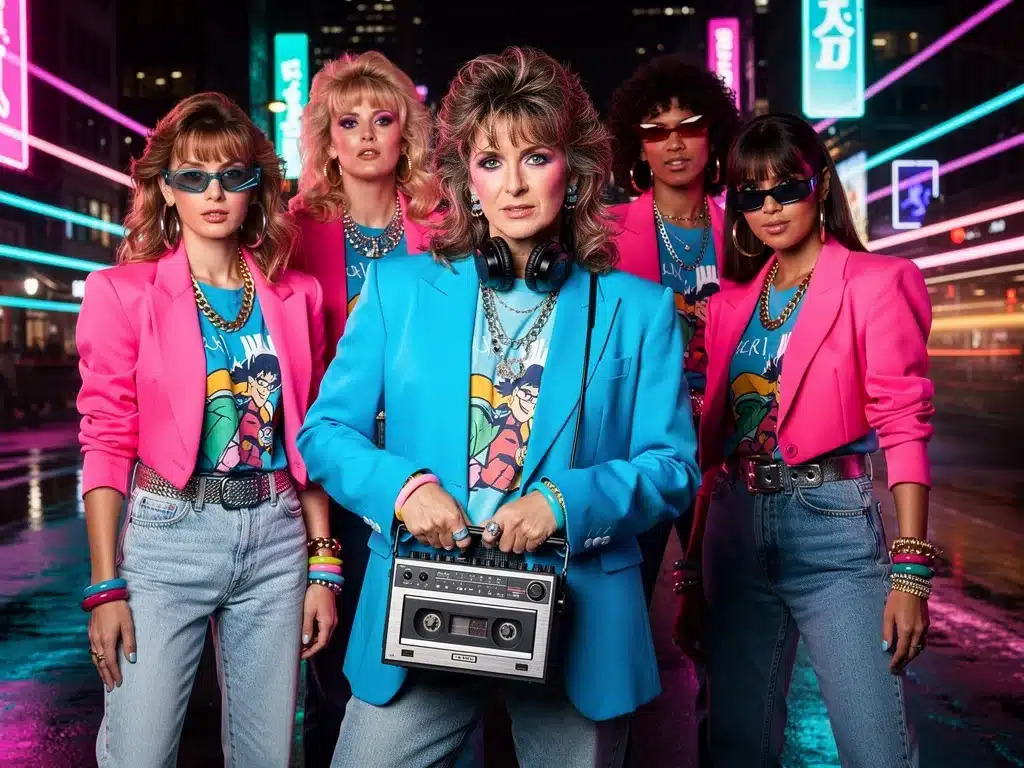
The 1980s produced highly recognizable fashion elements, including structured shoulders, oversized jackets, high-waisted denim, bold color combinations, graphic garments, statement jewelry, and athletic influences.
These distinctive characteristics make the decade particularly suitable for reinterpretation because designers and consumers can introduce one or two recognizable elements without recreating an entire historical outfit.
In 2026, fashion coverage continues to identify structured silhouettes, expressive colors, vintage accessories, and other retro references among styles attracting renewed attention, reinforcing the cyclical nature of fashion.
Key Elements Behind the 1980s Revival
Nostalgia is one important factor, but younger consumers who did not experience the decade directly can also encounter 1980s aesthetics through entertainment, archives, celebrity styling, vintage stores, and digital platforms.
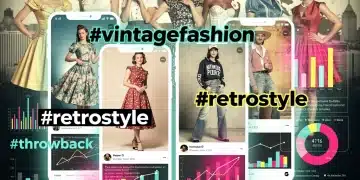
Social media accelerates discovery by allowing a specific jacket, pair of jeans, accessory, or color combination to circulate rapidly through outfit videos, inspiration boards, resale listings, and fashion commentary.
Greater access to vintage marketplaces and retro-inspired products then gives consumers practical ways to experiment with the aesthetic after encountering it through media or online culture.
- Distinctive costume design and recognizable historical references.
- Social media sharing and visual trend discovery.
- Celebrity and influencer interpretations of retro styles.
- Accessibility through vintage stores, resale platforms, and modern reproductions.
How Pop Culture Turns On-Screen Style Into Consumer Demand
The relationship between entertainment and fashion begins with visibility because television, films, music, and celebrity culture can repeatedly expose millions of people to the same aesthetic references.
Repeated exposure can transform an unfamiliar or outdated style into something recognizable and desirable, especially when audiences associate the clothing with characters, stories, lifestyles, or cultural identities they find compelling.
Retailers and fashion media can then reinforce the trend by identifying comparable products, creating styling guides, promoting archived pieces, and translating historical aesthetics into contemporary collections.
From Screen to Street: The Trend Adoption Cycle
Early adopters often respond first, searching vintage shops, resale platforms, archives, or their own wardrobes for authentic pieces that resemble the styles appearing in popular entertainment.
As interest grows, influencers, fashion publications, and social media communities make those references more accessible by demonstrating how historical garments can be incorporated into current outfits.
Mainstream retailers may eventually respond with updated interpretations, allowing a once-specific cultural reference to become a much broader commercial fashion trend.
- Discovery through entertainment and popular culture.
- Early adoption by vintage enthusiasts and fashion-focused consumers.
- Social media and editorial amplification.
- Retail adaptation and wider consumer availability.
Nostalgia and the Appeal of 1980s Style
Nostalgia can make vintage fashion emotionally appealing because clothing often represents more than design, connecting people with music, entertainment, memories, social identities, and perceptions of another period.
Consumers who lived through the 1980s may recognize familiar references, while younger shoppers can experience a form of retrospective nostalgia created through films, television series, photographs, music videos, and online archives.
This combination allows the same historical aesthetic to appeal to different generations for different reasons, helping vintage styles move repeatedly between cultural memory and contemporary fashion.
What the Vintage Revival Means for Retailers
Renewed attention to a particular decade can create opportunities for vintage sellers, resale marketplaces, consignment businesses, and specialist stores that already have access to authentic period clothing.
Retailers can respond by improving categorization, highlighting relevant silhouettes and accessories, creating educational content, and helping shoppers understand how vintage items can work within contemporary wardrobes.
However, demand can change quickly, so retailers should avoid assuming that every pop-culture trend will automatically translate into sustained sales or justify large speculative inventory purchases.
Sourcing Authentic Vintage Pieces
Greater interest in a particular decade can increase competition for high-quality vintage inventory, especially when consumers begin searching simultaneously for recognizable categories, labels, colors, or silhouettes.
Retailers need reliable sourcing and careful condition assessment because vintage garments may show wear, repairs, fabric deterioration, discoloration, damaged hardware, or other age-related issues.
Proper storage and preventing vintage clothing damage also become increasingly important when desirable historical pieces rise in visibility and value.
- Develop reliable vintage sourcing channels.
- Inspect condition and authenticity carefully.
- Provide accurate measurements and garment descriptions.
- Preserve older pieces using appropriate storage and handling.
The Role of Social Media in Accelerating Vintage Trends
Social platforms can dramatically shorten the distance between seeing an outfit in entertainment and searching for a similar garment, particularly when users immediately share screenshots, clips, styling videos, and product references.
TikTok, Instagram, Pinterest, and other visual platforms also allow consumers to move beyond the original source by combining historical references with contemporary pieces and creating new interpretations of an older aesthetic.
This constant reinterpretation means pop-culture influence does not remain confined to one television series or film because the audience itself becomes part of the process of developing and circulating the trend.
Influencers and the Creation of Micro-Trends
Influencers can make vintage aesthetics easier to adopt by demonstrating how individual elements such as structured jackets, high-waisted jeans, bold jewelry, retro sneakers, or colorful accessories work in modern outfits.
Specific items can then develop into micro-trends independent of the larger decade revival, allowing consumers to participate without adopting a complete head-to-toe 1980s look.
These smaller trends also create more opportunities for vintage sellers because consumer interest can spread across multiple categories rather than concentrating on a single garment type.
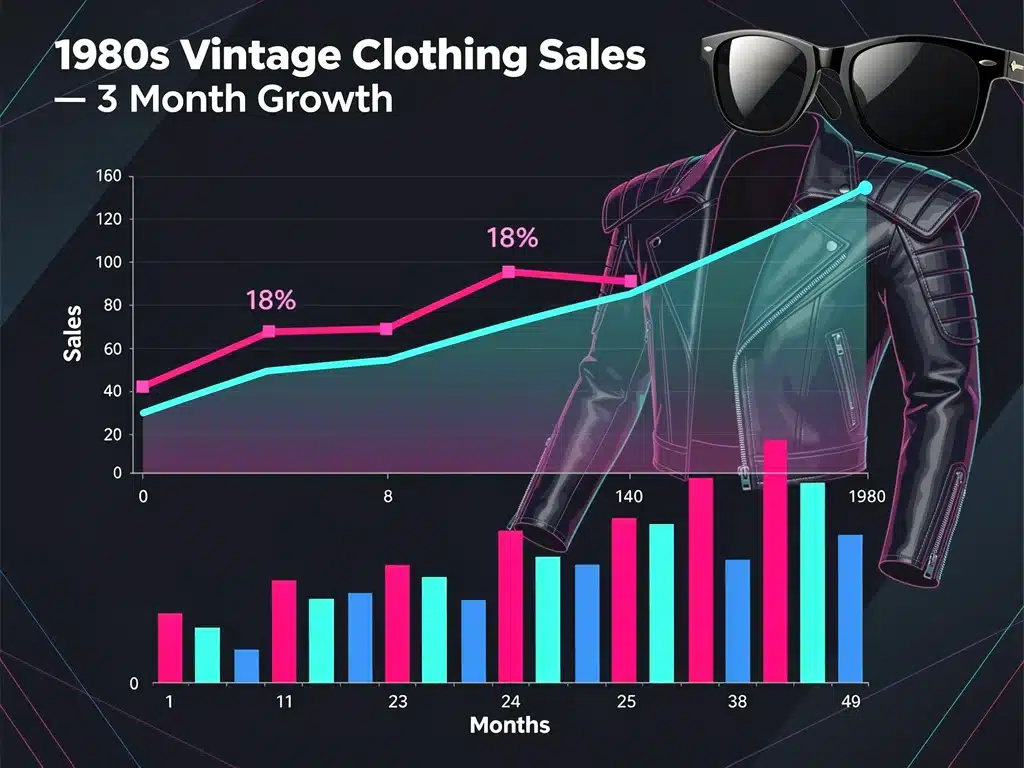
Editorial note: this image is illustrative. The previously stated 18% sales increase has not been independently verified and should not be interpreted as confirmed market data.
- Practical styling demonstrations using vintage pieces.
- Creation of smaller trends within broader retro aesthetics.
- Rapid interaction between creators and fashion communities.
- Greater discoverability for vintage and retro-inspired retailers.
Vintage Fashion and Sustainability
Vintage and secondhand clothing can extend the useful life of existing garments and potentially reduce demand for newly manufactured items when secondhand purchases genuinely substitute for new clothing purchases.
However, describing every vintage purchase as automatically sustainable oversimplifies the issue because environmental benefits depend on consumer behavior, garment use, transportation, cleaning, longevity, and whether additional consumption is actually avoided.
Vintage fashion is therefore better understood as one component of a more circular clothing system, alongside longer garment use, repair, resale, responsible production, and reduced unnecessary consumption.
Why Reuse Can Reduce Fashion’s Environmental Impact
Reusing existing garments can avoid some environmental impacts associated with manufacturing a completely new piece of clothing, particularly when the secondhand item replaces a new purchase and remains in use for a meaningful period.
Research on secondhand clothing has found potential reductions in climate, energy, and water-related impacts per use under certain consumer behavior scenarios, demonstrating that reuse can provide measurable environmental advantages.
Those benefits can diminish when secondhand shopping simply encourages people to purchase substantially more clothing, making longer use and thoughtful consumption important parts of the sustainability equation.
Beyond the 1980s: Why Other Decades Keep Returning
Pop culture does not revive only one decade, and contemporary fashion frequently borrows from the 1970s, 1980s, 1990s, early 2000s, and other periods depending on current entertainment and design influences.
The 1990s and early-2000s aesthetic already remains highly visible in 2026, while elements associated with earlier periods continue to appear through bohemian, tailored, romantic, and archival-inspired fashion movements.
This demonstrates that vintage revival is better understood as an ongoing cycle in which media, designers, celebrities, social platforms, and consumers repeatedly reinterpret different historical periods.
How Retailers Can Prepare for the Next Revival
Retailers can monitor entertainment releases, fashion coverage, search behavior, resale activity, runway collections, celebrity styling, and social media conversations to identify historical references gaining renewed attention.
The goal should not be to predict every viral trend but to understand whether increasing interest is developing around a broader aesthetic that fits the retailer’s existing audience and inventory.
Flexible merchandising and strong product information can make it easier to respond when attention shifts between decades without forcing a business to rebuild its entire strategy around every temporary fashion movement.
What Pop Culture’s Influence on Vintage Fashion Really Means
The impact of pop culture on vintage fashion is real, but it is more accurately understood as an interaction between entertainment exposure, nostalgia, social media, retail availability, influencers, and consumer interpretation.
A television series can certainly draw attention to the fashion of a particular period, but attributing a precise market increase to one production requires credible sales data, a defined market, and evidence connecting the observed change directly to that series.
For fashion retailers and enthusiasts, the more useful insight is that cultural narratives can rapidly change which historical aesthetics people notice, search for, discuss, and eventually incorporate into contemporary wardrobes.
| Key Point | Brief Description |
|---|---|
| Pop Culture Influence | Television, film, music, and celebrity culture can renew interest in historical fashion aesthetics. |
| 1980s Revival | Structured silhouettes, bold colors, vintage accessories, and other 1980s references continue to reappear in contemporary fashion. |
| Nostalgia & Social Media | Nostalgia creates emotional appeal while digital platforms accelerate discovery and reinterpretation. |
| Vintage & Sustainability | Reusing clothing can reduce environmental impacts when secondhand garments replace new purchases and remain in use. |
Frequently Asked Questions About Pop Culture and Vintage Fashion
A series can expose large audiences to recognizable historical styles through costumes and characters. Social media, fashion publications, influencers, and retailers can then amplify those looks and make similar clothing easier to discover.
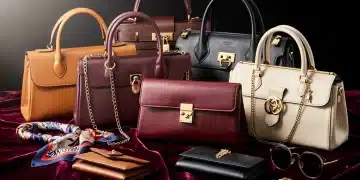
Common references include structured shoulders, oversized blazers, high-waisted denim, bold color combinations, statement jewelry, graphic pieces, vintage bags, and other expressive accessories.
There is not enough reliable evidence to present that specific 18% increase as a verified market statistic. A series may influence demand, but a precise sales claim requires identifiable market data and a credible source.
Retailers can monitor entertainment, social media, search trends, resale activity, and fashion coverage, then highlight relevant existing inventory without assuming every short-term cultural trend will generate lasting demand.
The 1970s, 1990s, and early 2000s continue to influence contemporary fashion alongside the 1980s, demonstrating how different historical aesthetics repeatedly return through modern reinterpretation.
Looking Ahead: Pop Culture and the Next Vintage Revival
The future of vintage fashion will continue to be influenced by the interaction between entertainment, nostalgia, fashion cycles, digital communities, resale platforms, and changing consumer preferences.
New films and series may bring individual decades or historical aesthetics back into focus, but the scale and duration of those revivals will depend on whether consumers continue engaging with the styles after the original cultural moment passes.
For retailers and fashion enthusiasts, tracking these connections provides a better strategy than relying on unsupported headline statistics, helping distinguish genuine shifts in vintage demand from short-lived online attention.