Restoring Vintage Buttons: Practical Solutions for Garments Over 50 Years Old.
Advertisements
Preserving historical garments over 50 years old hinges on restoring delicate buttons and fasteners that suffer from wear, corrosion, or discoloration.
By applying specialized preservation techniques and material-safe care methods, conservators and vintage fashion enthusiasts can maintain structural integrity while honoring original craftsmanship.
Advertisements
Understanding Vintage Button Materials and Deterioration
The first step in restoring vintage buttons involves identifying the material and understanding its specific deterioration patterns.
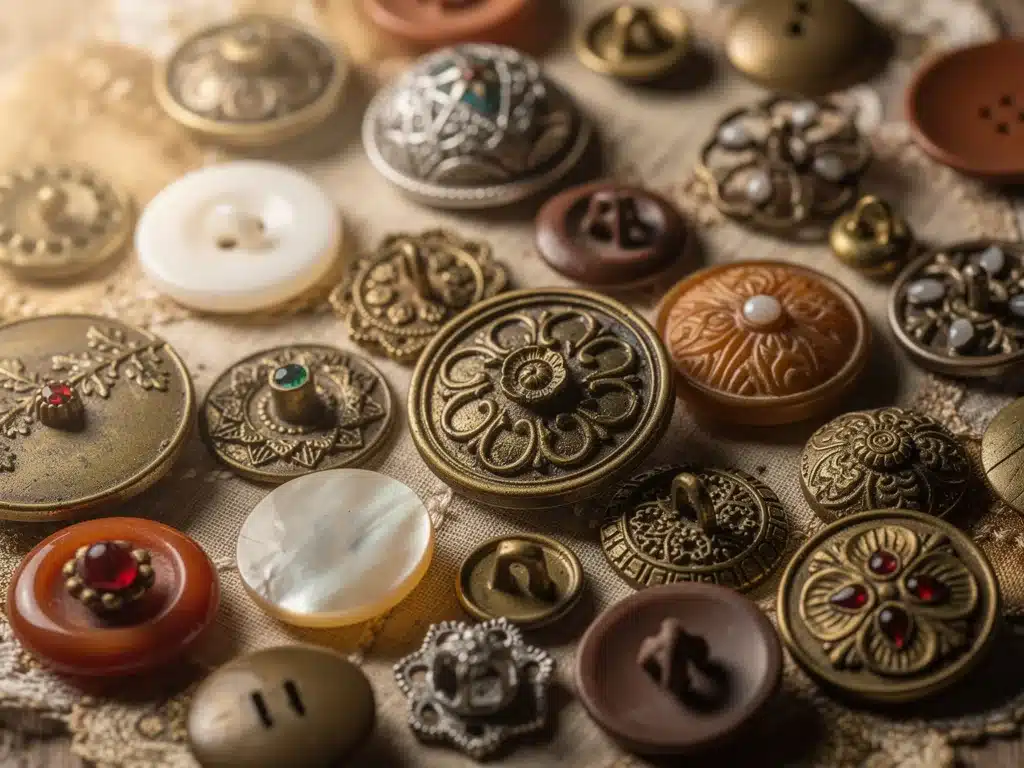
Buttons from garments over 50 years old can be made from a wide array of substances, each requiring a tailored approach to restoration.
Common materials include various plastics like Bakelite and celluloid, natural elements such as mother-of-pearl, bone, wood, and horn, as well as metals like brass, pewter, and even sterling silver.
Each material reacts differently to age, environmental factors, and cleaning agents.
Recognizing the signs of degradation, such as cracking in plastics, tarnishing on metals, or brittleness in natural materials, is paramount for effective intervention.
Improper restoration can cause irreversible damage, diminishing both aesthetic and historical value.
Initial Assessment and Gentle Cleaning Techniques
Before any active restoration begins, a thorough assessment of each button and fastener is critical.
This includes documenting its condition, noting any existing damage, and identifying the material composition accurately to prevent further harm during the cleaning process.
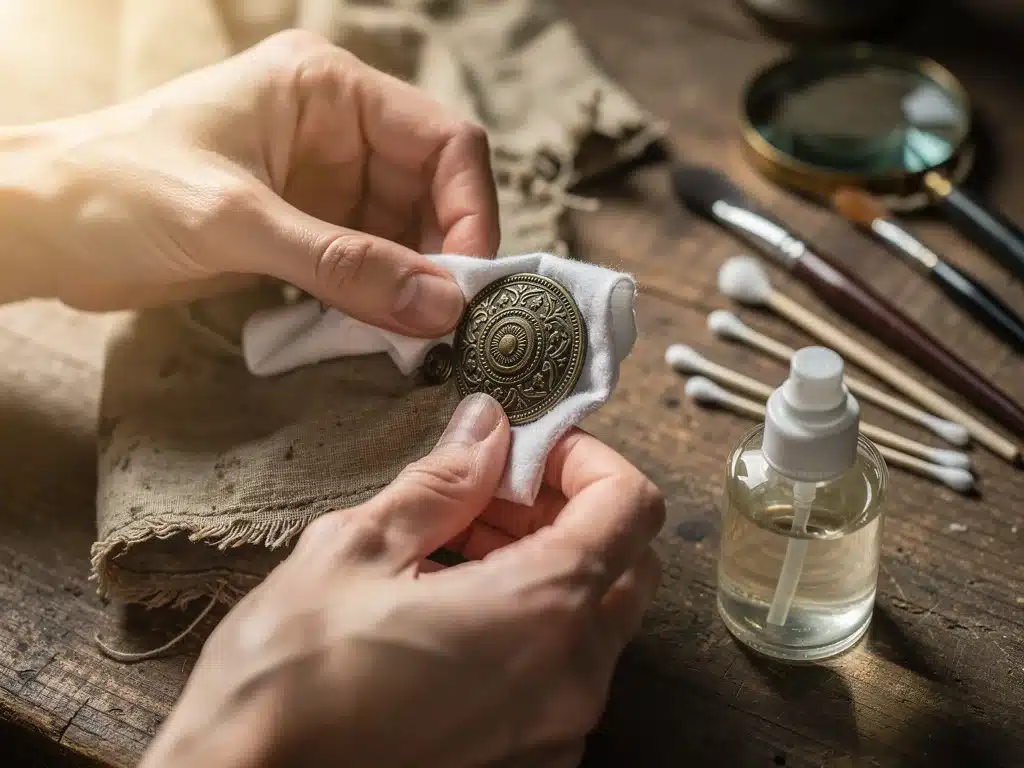
Gentle cleaning is often the first and most crucial step, aiming to remove dirt and grime without stripping the button’s original finish or causing abrasion.
For many materials, a soft cloth dampened with distilled water and a mild, pH-neutral soap is sufficient.
Specialized solutions are required for specific materials, such as non-abrasive metal polishes for tarnished brass or silver, and careful handling is always recommended.
This meticulous approach ensures the integrity of the vintage piece is maintained.
Identifying Material-Specific Cleaning Needs
Different materials demand distinct cleaning protocols to ensure their preservation.
For instance, plastic buttons like Bakelite should never be exposed to harsh solvents, which can cause irreparable damage to their surface and structure.
Mother-of-pearl and bone buttons, while durable, can be susceptible to acids and strong alkalis, which can dull their natural luster. A gentle wipe with a damp cloth is often the safest bet for these delicate surfaces.
Metal fasteners, depending on their composition, might benefit from targeted cleaning agents designed to remove tarnish without scratching. Always test any cleaning solution on an inconspicuous area first.
- Plastics: Use mild soap and water; avoid harsh chemicals and abrasive cleaners.
- Natural Materials (Mother-of-pearl, Bone, Wood): Clean with a soft, damp cloth; avoid prolonged soaking.
- Metals: Apply appropriate metal polish sparingly, testing first; use cotton swabs for intricate areas.
Addressing Common Damage: Cracks, Chips, and Tarnish
Once cleaned, the next phase involves addressing specific forms of damage commonly found on vintage buttons and fasteners.
Cracks and chips are frequent issues, particularly with plastic and glass buttons, while metal components often suffer from tarnishing or corrosion.
Repairing cracks in plastic buttons often involves specialized adhesives designed for plastics, applied meticulously to rejoin fragments.
For chips, particularly in materials like Bakelite, filling and buffing techniques can restore a smooth surface.
Tarnished metal fasteners can often be restored through careful polishing, but severe corrosion may require more intensive treatment.
The goal is always to preserve as much of the original material as possible while improving its appearance and functionality.
Techniques for Plastic and Glass Button Repair
Plastic buttons, particularly those made from early synthetics, can become brittle over time, leading to cracks or breakage.
Repair often involves using a clear, strong adhesive specifically formulated for plastics, applied with precision.
For minor chips or surface imperfections, very fine-grit sandpaper or a buffing wheel with a suitable compound can gently smooth the area. This process requires a light touch to avoid altering the button’s original shape or details.
Glass buttons, while less common, can chip or shatter. Repairing these is more challenging and often requires professional intervention, as adhesives need to be virtually invisible and structurally sound.
- For cracks: Apply a thin layer of specialized plastic adhesive; clamp gently until dry.
- For chips: Fill small chips with matching epoxy or resin, then polish smooth.
- For surface scratches: Buff with a soft cloth and fine polishing compound.
Securing Loose Fasteners and Reattaching Buttons
Beyond cleaning and repairing the buttons themselves, the integrity of their attachment to the garment is paramount.
Many vintage garments feature fasteners that become loose, or buttons that detach, due to thread degradation or material wear.
Reattaching buttons requires strong, durable thread and a sewing technique that ensures longevity without damaging the fabric.
For fasteners like hooks and eyes, snaps, or buckles, their original placement and function must be meticulously replicated.
This aspect of restoring vintage buttons and fasteners often involves hand-sewing, using period-appropriate stitches where possible, to maintain the garment’s historical accuracy.
Reinforcing the fabric around the attachment point can also extend its life.
Best Practices for Reattachment
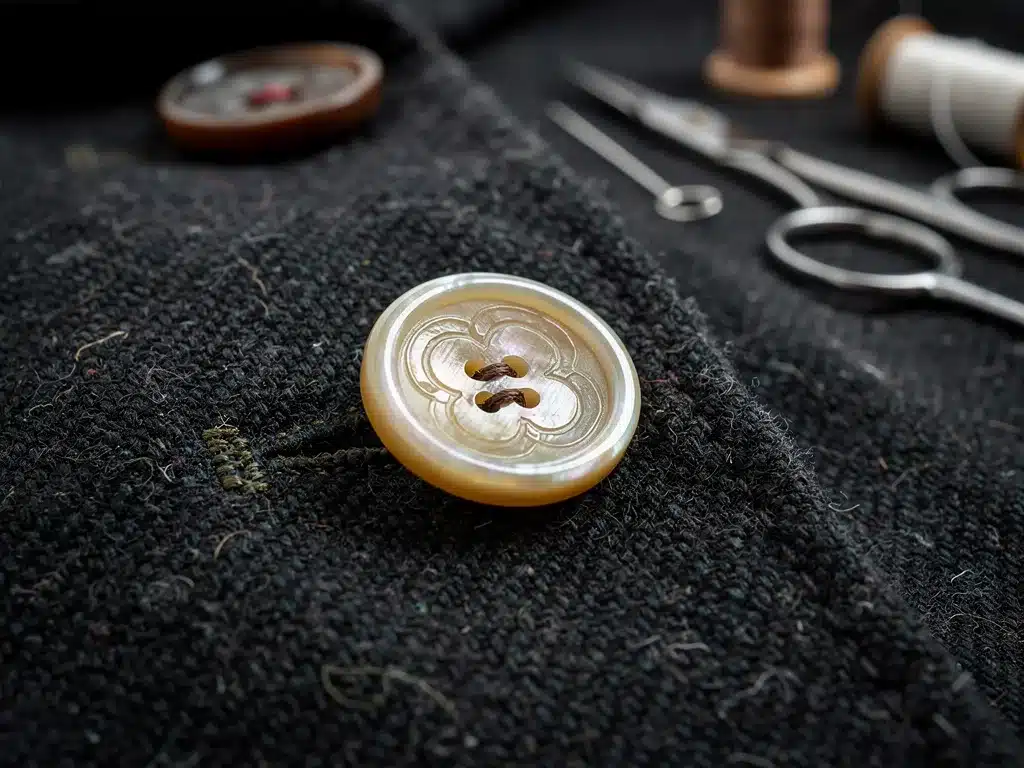
When reattaching buttons, selecting the correct type and thickness of thread is crucial. Heavy-duty polyester or silk thread is often preferred for its strength and durability, especially for frequently used fasteners.
Utilize a shank if the button has one, or create a thread shank for flat buttons to provide space for the fabric, preventing strain on the buttonholes. This technique ensures the button lies flat and functions correctly.
For hooks, eyes, and snaps, ensure they are securely sewn through all available holes, using small, tight stitches. Consider adding a small piece of fabric or interfacing on the reverse side of delicate materials to provide extra reinforcement.
- Use strong, durable thread, matched to the garment’s color and period.
- Create a thread shank for flat buttons to allow for fabric thickness.
- Reinforce fabric behind fasteners with interfacing for added durability.
Preservation and Storage for Longevity
Once vintage buttons and fasteners have been meticulously restored, proper preservation and storage are essential to ensure their longevity.
Environmental factors such as light, humidity, and temperature can accelerate deterioration, even after restoration.
Storing garments with restored buttons in a stable, climate-controlled environment, away from direct sunlight and excessive moisture, is crucial.
Acid-free tissue paper or garment bags can provide additional protection, preventing abrasion and dust accumulation.
Regular inspection of vintage garments and their fasteners allows for early detection of any new issues, enabling prompt intervention. This proactive approach is key to maintaining the beauty and historical value of these unique items.
Case Studies in Successful Vintage Fastener Restoration
Examining real-world examples of successful restoration projects offers valuable insights into the practical application of these techniques.
These case studies highlight the dedication and skill required for restoring vintage buttons and fasteners effectively.
One notable instance involved a 1920s flapper dress with numerous shattered glass beads and missing rhinestone buttons.
Through careful sourcing of period-appropriate replacements and painstaking reattachment, the dress regained its original sparkle and elegance.
Another project focused on a military uniform from the 1940s, where tarnished brass buttons were meticulously cleaned and polished, and a corroded metal buckle was carefully stabilized.
The uniform’s historical integrity was preserved, making it suitable for display.
Lessons from Complex Restoration Projects
Complex restoration often teaches that patience and research are as important as technical skill.
Sourcing authentic replacement parts for vintage buttons can be a significant challenge, sometimes requiring custom fabrication or extensive searching through antique markets.
Understanding the original manufacturing techniques of the fasteners provides clues for their repair and preservation.
For example, knowing if a button was originally dyed or painted informs the cleaning process to avoid stripping its color.
Collaboration with textile conservators and experienced vintage collectors can also provide invaluable expertise and access to specialized tools or materials. Every restoration project is a unique puzzle, requiring tailored solutions.
- Research original manufacturing techniques to inform restoration decisions.
- Source authentic replacement parts carefully, or consider custom fabrication.
- Consult with experts and conservators for complex or rare items.
The Economic and Cultural Value of Restoration
The effort invested in restoring vintage buttons and fasteners extends beyond mere aesthetics; it contributes significantly to both economic and cultural value.
Properly restored vintage garments fetch higher prices in the resale market, reflecting their enhanced condition and authenticity.
Culturally, preserving these items helps maintain a tangible connection to the past, offering insights into historical fashion, craftsmanship, and societal trends.
Each restored button tells a story, contributing to a broader narrative of human history and design.
Furthermore, the practice of restoring vintage buttons and fasteners promotes sustainable fashion by extending the life cycle of existing garments, reducing the demand for new production.
This aligns with contemporary environmental values, making restoration a responsible choice.
Tools and Supplies for the Vintage Restorer
Equipping oneself with the right tools and supplies is fundamental for any successful restoration of vintage buttons and fasteners.
A well-stocked toolkit ensures that restorers can tackle a variety of materials and damage types with precision and care.
Essential items include magnifying glasses, fine-tipped tweezers, soft brushes, and a range of pH-neutral cleaning solutions.
Having a selection of specialized adhesives for different materials, like plastic or metal, is also crucial for effective repairs.
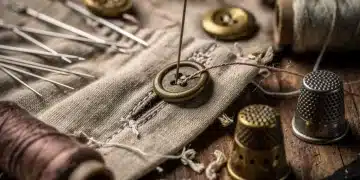
For reattachment, a variety of needles, strong threads, and thimbles are indispensable.
Investing in quality tools not only makes the restoration process easier but also minimizes the risk of inadvertently damaging delicate vintage components.
Essential Items for Your Restoration Kit
A comprehensive restoration kit for vintage buttons should include a magnifying lamp for detailed work, allowing clear visibility of minute imperfections and intricate designs.
Various grades of micro-mesh or polishing cloths are also vital for buffing surfaces without causing scratches.
Having a selection of small, non-abrasive containers for soaking buttons in cleaning solutions, along with cotton swabs and soft cloths, ensures gentle handling.
Specialized waxes or sealants can also be used to protect restored surfaces.
For repairing broken shanks or reattaching elements, a sturdy pair of pliers and a small anvil might be useful, especially for metal fasteners. Always prioritize tools that allow for delicate, controlled movements.
- Magnifying lamp and fine tweezers for detailed work.
- pH-neutral cleaning solutions, soft brushes, and cotton swabs.
- Specialized adhesives for various materials (plastic, metal, glass).
Ethical Considerations in Vintage Restoration
Ethical considerations play a significant role in the practice of restoring vintage buttons and fasteners.
The primary goal should always be to preserve the historical integrity and authenticity of the item, rather than merely making it look new.
This often involves making conscious decisions about whether to repair, replace, or conserve a component, especially if original materials are severely damaged.
Documenting all restoration work, including materials used and techniques applied, is crucial for maintaining transparency.
The debate between full restoration and partial conservation is ongoing, with many conservators advocating for minimal intervention to retain evidence of the item’s age and history.
Every choice in restoring vintage buttons must balance aesthetic improvement with historical fidelity.
| Key Point | Brief Description |
|---|---|
| Material Identification | Crucial for selecting appropriate cleaning and repair methods for vintage buttons. |
| Gentle Cleaning | Essential first step to remove grime without damaging delicate vintage fasteners. |
| Damage Repair | Techniques for addressing cracks, chips, and tarnish on various button materials. |
| Ethical Preservation | Balancing aesthetic improvement with historical authenticity and minimal intervention. |
Frequently Asked Questions About Vintage Button Restoration
The safest way to clean old plastic buttons, such as Bakelite or celluloid, is to use a soft cloth dampened with distilled water and a very mild, pH-neutral soap. Avoid harsh chemicals, as they can cause irreversible damage, discoloration, or dullness to the plastic surface.
Severely tarnished metal fasteners can often be significantly improved, but full restoration depends on the extent of corrosion and the metal type. Gentle metal polishes designed for antiques, applied carefully with cotton swabs, can remove tarnish and restore luster. Severe pitting or loss of material might be difficult to fully reverse.
When reattaching a vintage button, use a strong, appropriate thread and a needle suitable for the fabric. For flat buttons, create a thread shank to provide space for the fabric, preventing strain. For delicate fabrics, consider adding a small piece of interfacing on the garment’s reverse side for reinforcement before sewing.
Common mistakes include using abrasive cleaners, applying excessive force, or using incorrect adhesives. Failing to identify the button’s material before cleaning or repair can lead to damage. Always test cleaning solutions on an inconspicuous area first and prioritize gentle, minimal intervention to preserve authenticity.
Replacement vintage buttons can be sourced from antique shops, specialized button dealers, online marketplaces, or textile fairs. Look for buttons that match the original in material, size, and style to maintain the garment’s historical accuracy. Sometimes, a similar, slightly different button can still blend in effectively.
Looking Ahead
The field of Restoring Vintage Buttons and Fasteners: Practical Solutions for Garments Over 50 Years Old continues to evolve, with new materials and techniques emerging to aid conservators and enthusiasts.
The growing appreciation for sustainable fashion and historical preservation ensures that these delicate components will remain a focal point for collectors and textile professionals.
As technology advances, more precise and less invasive restoration methods are expected to become available, further enhancing the longevity and beauty of these irreplaceable artifacts.
For step-by-step techniques and creative inspiration on refurbishing antique hardware, read the guide to Give New Life to Old Buttons in Threads Magazine.