US Music Executives Predict Industry’s Next 12 Months

Advertisements
Leading US music executives anticipate significant shifts in the industry over the next 12 months, driven by technological advancements, evolving consumption patterns, and renewed focus on artist-centric models.
In an exclusive deep dive, we gathered insights from six prominent US music executives, asking them to share their candid predictions for the industry in the next 12 months. The landscape of music is ever-evolving, and understanding the perspectives of those at its helm is crucial for artists, labels, and fans alike. This article offers an unparalleled look into the minds shaping the future of sound, focusing on key trends, challenges, and opportunities that will define the upcoming year in the American music scene. Prepare to gain valuable foresight into what lies ahead for the dynamic world of music.
Advertisements
The Shifting Sands of Streaming and Monetization
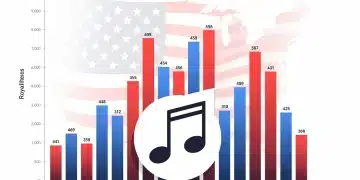
The digital revolution has fundamentally reshaped how music is consumed and monetized. While streaming continues its dominance, executives anticipate a crucial maturation phase. The focus is shifting from pure subscriber growth to more equitable artist compensation and innovative revenue streams.
Many believe that the current streaming model, while successful in aggregate, still presents significant hurdles for emerging artists and even established mid-tier acts. The next 12 months will likely see increased pressure on platforms to revise royalty structures and offer more transparency.
New Monetization Models on the Horizon
Beyond traditional subscriptions, new avenues for artist income are gaining traction. Executives highlighted several areas poised for growth:
- Fan-Centric Subscriptions: Direct-to-fan platforms offering exclusive content and experiences.
- Web3 and NFTs: Exploring blockchain technology for digital collectibles and fractional ownership of music.
- Micro-Licensing: Easier and more efficient licensing for short-form video content and user-generated media.
- Interactive Experiences: Integration of music into gaming, virtual reality, and augmented reality platforms.
These emerging models aim to empower artists by giving them more direct control over their intellectual property and a larger share of the revenue generated. The challenge will be in scaling these innovations while maintaining accessibility for a broad audience.
The conversation around streaming monetization is reaching a critical point. The executives largely agreed that while the current system has democratized access to music, it hasn’t fully democratized wealth distribution within the industry. Expect significant dialogue and potential shifts in policy and platform offerings aimed at creating a more sustainable ecosystem for creators.
Artificial Intelligence: Friend or Foe?
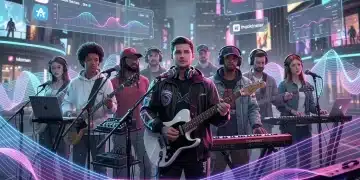
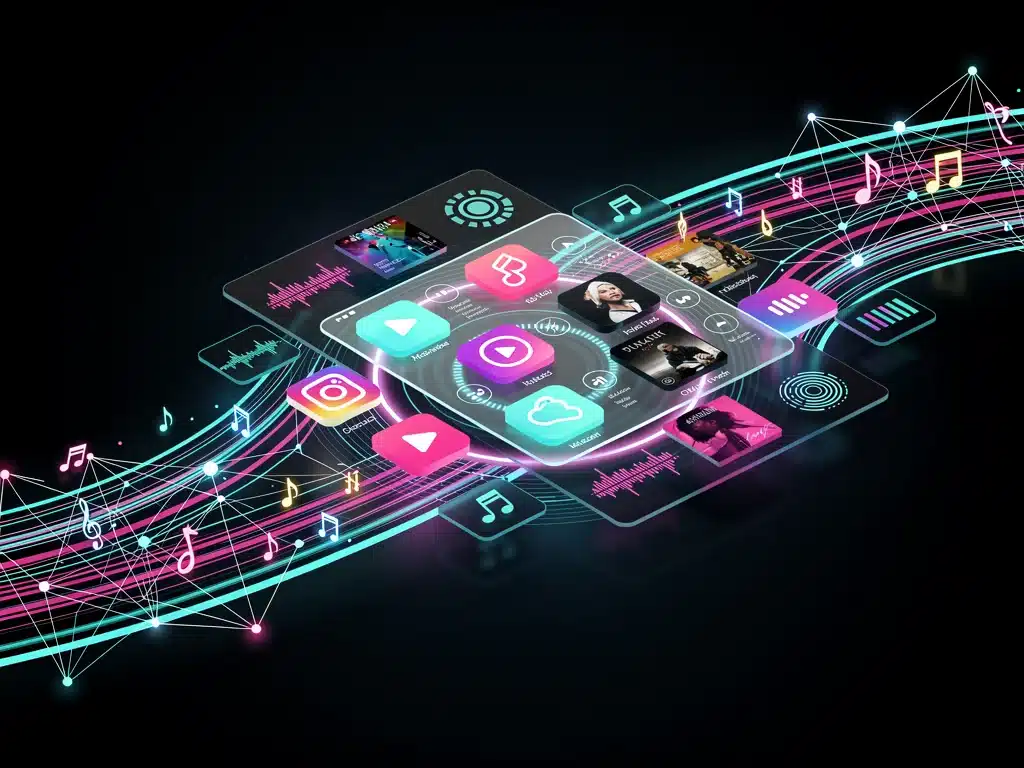
Artificial intelligence (AI) has become an undeniable force, and its impact on the music industry is a topic of intense discussion. Executives are grappling with both the immense potential and the ethical complexities that AI presents, particularly concerning creation, distribution, and intellectual property.
There’s a consensus that AI will not replace human creativity but rather augment it. Tools for composition, mastering, and even marketing are becoming increasingly sophisticated, offering artists and labels unprecedented capabilities. However, the legal and ethical frameworks for AI-generated content are still very much in their infancy.
Navigating AI’s Creative and Legal Landscape
The next year will be pivotal in defining the role of AI in music. Key areas of focus include:
- Copyright and Attribution: Establishing clear guidelines for ownership and royalties when AI is involved in creation.
- Authenticity and Deepfakes: Addressing the challenges of distinguishing human-created from AI-generated performances.
- Ethical Data Use: Ensuring AI models are trained on ethically sourced data and that artists are compensated for their contributions.
- Creative Tools: Leveraging AI for personalized music discovery, composition aids, and advanced sound design.
One executive highlighted the need for proactive legislation and industry-wide agreements to prevent exploitation and foster a fair environment for both human and AI-assisted creativity. The balance between innovation and protection will be a delicate one to strike.
Ultimately, the executives view AI as a powerful tool that, if managed responsibly, can unlock new creative possibilities and revenue streams. The coming 12 months will be crucial for the industry to establish best practices and ethical guidelines that ensure AI serves as an enabler for artists, not a threat.
The Resurgence of Live Experiences and Fan Engagement
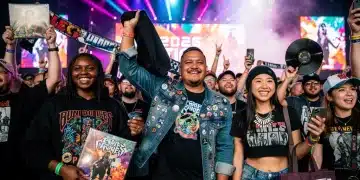
While digital consumption continues to grow, the importance of live music and direct fan interaction is experiencing a powerful resurgence. Executives predict a renewed focus on creating immersive and memorable experiences that bridge the gap between the digital and physical worlds.
The pandemic underscored the irreplaceable value of live performances and the communal aspect of music. As the world continues to reopen and adapt, artists and promoters are innovating to make live events more accessible, sustainable, and engaging than ever before.
Innovations in Live Music and Fan Interaction
The future of live experiences extends beyond traditional concerts. Expect to see developments in:
- Hybrid Events: Combining in-person concerts with high-quality virtual components for wider reach.
- Personalized Fan Experiences: Utilizing data to offer tailored interactions, merchandise, and VIP access.
- Sustainable Touring: Increased efforts to reduce the environmental impact of tours and festivals.
- Community Building: Platforms and events designed to foster deeper connections between artists and their most dedicated fans.
One executive noted that the shift towards experience-driven consumption is not just about live shows, but about building genuine communities around artists. This includes everything from exclusive online forums to interactive fan clubs and meet-and-greets.
The next 12 months will see artists and labels investing heavily in these direct-to-fan strategies. The goal is to cultivate loyalty and create a more robust, diversified income stream that isn’t solely reliant on streaming royalties. The live experience remains a cornerstone of the music industry’s emotional connection with its audience.
Artist Development and the Independent Movement
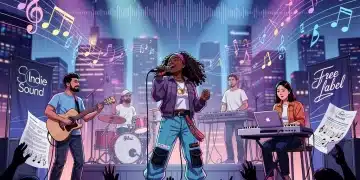
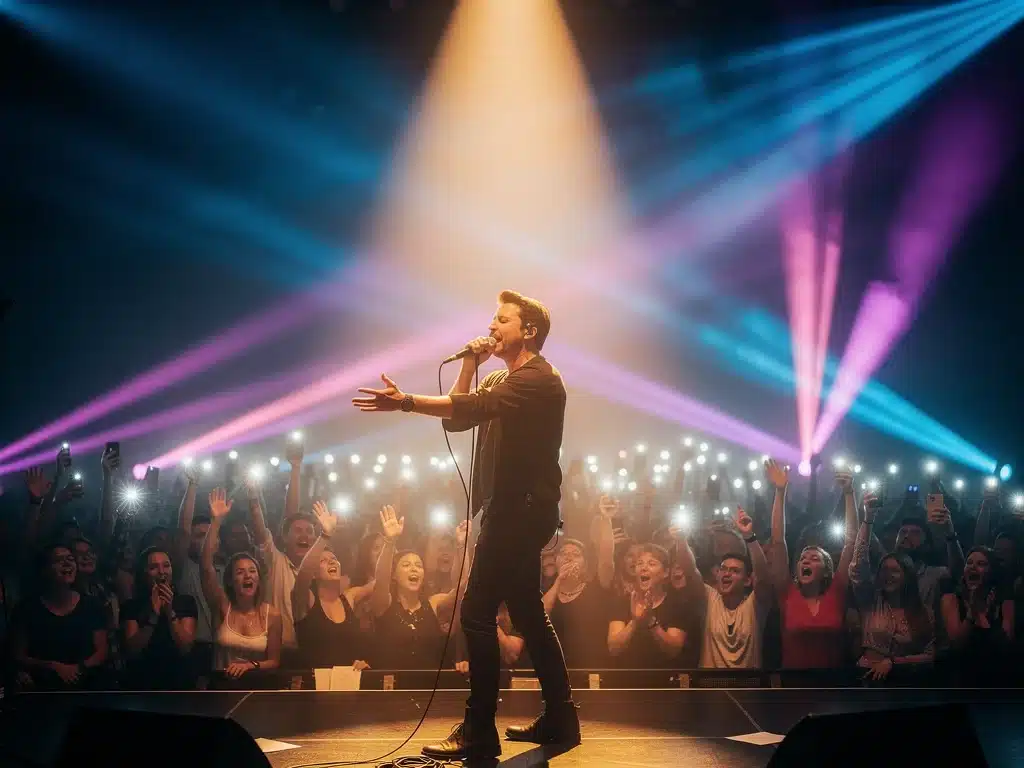
The path to stardom has never been a singular one, and the independent artist movement continues to gain momentum. Executives acknowledge the growing power of self-sufficient artists and the necessity for labels to adapt their strategies to remain relevant partners.
The rise of accessible recording technology, distribution platforms, and social media has democratized the ability to create and share music. This has empowered artists to build their careers on their own terms, often without the traditional major label infrastructure.
Empowering Independent Artists and Evolving Label Roles
The industry’s approach to artist development is undergoing a significant transformation. Key trends include:
- Service-Oriented Labels: Major labels offering distribution, marketing, and administrative services without demanding full ownership.
- Artist-Friendly Deals: More transparent and equitable contracts that prioritize artist longevity and creative control.
- Data-Driven A&R: Utilizing analytics to identify emerging talent and understand audience engagement.
- Holistic Artist Support: Providing mental health resources, financial literacy, and career coaching beyond just music production.
One executive emphasized that the role of a label in 2026 is less about controlling an artist’s career and more about acting as a strategic partner, amplifying their vision and providing resources they might not otherwise access. This collaborative model is seen as the future.
The independent sector is not just a niche; it’s a significant force shaping the industry. The next 12 months will likely see continued innovation in how artists build their brands and businesses, forcing traditional players to evolve or risk being left behind. The focus is on empowering creators to thrive in a multifaceted ecosystem.
Global Reach and Local Impact: The Interconnected Music World
The digital age has erased geographical boundaries, allowing music to transcend borders with unprecedented ease. Executives are increasingly focused on leveraging global platforms while simultaneously nurturing local talent and cultural nuances.
The success of artists from diverse regions gaining international acclaim highlights the interconnectedness of today’s music world. This global reach presents both immense opportunities for artists and new challenges for localized marketing and cultural understanding.
Strategies for Global and Local Market Penetration
To succeed in this interconnected landscape, executives are prioritizing:
- Hyper-Local Marketing: Tailoring campaigns to specific regional tastes and cultural contexts.
- Cross-Cultural Collaborations: Fostering partnerships between artists from different countries and genres.
- Language Agnostic Content: Recognizing the power of instrumental music and visual storytelling to cross language barriers.
- Understanding Global Trends: Monitoring emerging sounds and consumption patterns from around the world to inform strategy.
An executive pointed out that simply translating marketing materials is no longer sufficient. True global success requires a deep understanding of local markets, from social media platforms to cultural sensitivities and preferred music genres. This nuanced approach is vital.
The next 12 months will see a continued blurring of international and domestic markets. Artists who can authentically connect with diverse audiences, both locally and globally, will be best positioned for long-term success. The industry is moving towards a truly borderless soundscape.
Sustainability and Social Responsibility in Music
Beyond profits and playlists, the music industry is increasingly recognizing its role in environmental sustainability and social responsibility. Executives are addressing these critical issues, understanding that consumers and artists alike expect more from the businesses they support.
From reducing carbon footprints in touring to advocating for social justice, the industry is stepping up to its responsibilities. This shift is not just about public relations; it’s about building a more ethical and resilient future for music.
Industry’s Commitment to a Better Future
Key areas of focus for sustainability and social impact include:
- Eco-Friendly Practices: Implementing sustainable measures in event production, merchandise, and office operations.
- Diversity and Inclusion: Promoting equitable representation across all facets of the industry, from artists to executive boards.
- Mental Health Support: Providing resources and destigmatizing mental health challenges for artists and industry professionals.
- Advocacy and Activism: Using music’s platform to support social causes and drive positive change.
One executive highlighted that younger generations, in particular, are demanding more from brands, and the music industry is no exception. Companies that genuinely commit to these values will not only do good but also build stronger, more loyal connections with their audience.
The next 12 months will see a continued integration of these values into core business practices. Sustainability and social responsibility are no longer optional add-ons but essential components of a forward-thinking music enterprise. The industry is poised to become a more conscious and impactful force for good.
| Key Trend | Brief Description |
|---|---|
| Streaming Evolution | Focus on fairer artist compensation and diversifying revenue beyond traditional subscriptions. |
| AI Integration | AI as an augmentation tool for creativity, with ethical and legal frameworks in development. |
| Live Experience Growth | Resurgence of in-person and hybrid events, emphasizing deeper fan engagement. |
| Independent Artist Power | Labels adapting to support self-sufficient artists with service-oriented deals and resources. |
Frequently Asked Questions About the Music Industry’s Future
Executives predict a shift towards more equitable royalty structures and direct-to-fan monetization models. Platforms may offer tiered subscriptions with exclusive content, alongside micro-licensing options for user-generated content, aiming to diversify artist income streams and increase transparency in payouts.
The primary challenge is establishing clear copyright and attribution guidelines for AI-generated music. Ensuring fair compensation for artists whose work informs AI models and preventing unauthorized use of their likeness or style are critical concerns that the industry is actively working to address.
Yes, executives generally agree that live music will not only recover but evolve. The focus will be on creating more immersive, sustainable, and hybrid experiences, combining in-person events with high-quality virtual components to reach broader audiences and deepen fan engagement.
Independent artists are leveraging accessible technology and direct-to-fan strategies to build successful careers without traditional label dependence. This forces major labels to adapt, offering more service-oriented deals and acting as strategic partners rather than controlling entities, empowering artists with greater creative and business control.
Social responsibility is becoming central, with a strong emphasis on environmental sustainability, diversity, inclusion, and mental health support for artists. The industry recognizes that aligning with these values is crucial for connecting with modern audiences and building a more ethical and resilient ecosystem.
Conclusion
The insights shared by these six US music executives paint a vivid picture of an industry in constant flux, driven by innovation, evolving consumer behaviors, and a renewed commitment to artist well-being and social responsibility. The next 12 months promise significant developments in streaming monetization, the integration of AI, the resurgence of live experiences, and the empowering rise of independent artists. While challenges remain, particularly around fair compensation and ethical AI use, the overarching sentiment is one of cautious optimism. The music industry is poised for a transformative period, one that prioritizes creativity, connection, and a sustainable future for all its stakeholders.