The Craft of Vintage Hat Making: An Overview of Styles from the 1930s to 1960s
Advertisements
If you have ever admired the timeless glamour of mid-century fashion, exploring Vintage Hat Making unveils a world where headwear was the ultimate symbol of sophistication. From the structured silhouettes of the 1930s to the bold millinery art of the 1960s, these handcrafted pieces transformed daily dressing.
Mastering traditional block shaping, delicate veiling, and custom feltwork required an incredible level of artisanal precision. Unlike mass-produced accessories today, classic headpieces were tailored to perfection, blending architectural forms with rich textures.
Whether you are a fashion historian, a dedicated collector, or a modern designer seeking inspiration, reviving these heritage techniques offers endless creative beauty. Read on to discover the defining styles and timeless craftsmanship that shaped four iconic decades.
Advertisements
The Golden Age of Headwear: An Introduction to Vintage Hat Making
The period spanning the 1930s to the 1960s represents a true golden age for headwear, marked by unparalleled creativity and meticulous craftsmanship in vintage hat making.
Hats were not merely accessories; they were integral to personal style, social status, and cultural expression, evolving significantly with each passing decade.
This era witnessed a remarkable diversity in hat styles, from the demure cloches of the early 1930s to the extravagant creations of the post-war years. Each design reflected the prevailing moods and practical necessities of its time, making the study of vintage hat making a fascinating historical endeavor.
Understanding the techniques and materials used during these decades provides insight into the dedication and skill of milliners. The attention to detail in vintage hat making ensured each piece was a work of art, designed to complement and complete an ensemble.
1930s: Elegance and Depression-Era Ingenuity in Hat Design
The 1930s, overshadowed by the Great Depression, saw hat styles that balanced elegance with practicality, reflecting the economic realities of the time.
Despite hardships, women’s hats maintained a sophisticated allure, often designed to be versatile and long-lasting, a testament to the ingenuity in vintage hat making.
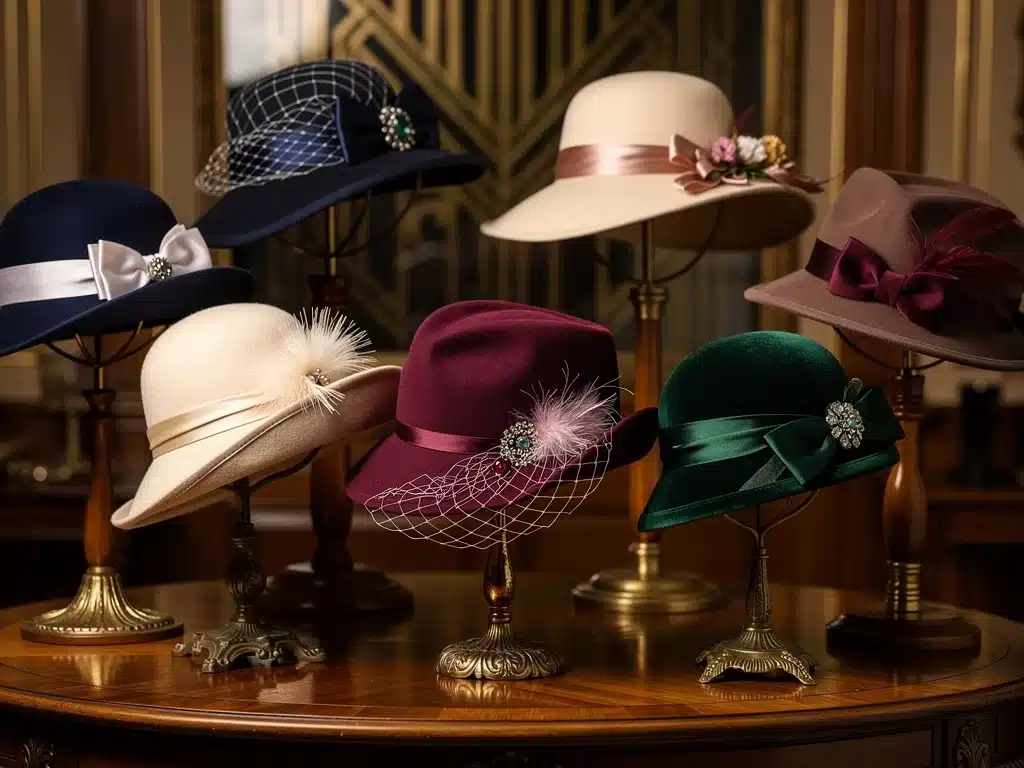
Cloches, which were popular in the late 1920s, evolved into more softened, tilted versions, often adorned with subtle embellishments like small veils or ribbons.
Wide-brimmed hats also gained popularity, offering a touch of glamour and protection from the elements, showcasing the adaptable nature of vintage hat making.
Men’s hats, such as fedoras and trilbies, remained staples, embodying a sense of understated masculinity and formality. The emphasis was on quality materials and expert construction, ensuring durability and timeless appeal in the realm of vintage hat making.
The Rise of Tilted Hats and Veils
The 1930s saw a distinct shift towards hats worn tilted on the head, often secured with hatpins, moving away from the deep-set cloche. These designs allowed for more elaborate hairstyles to be visible, adding a new dimension to feminine fashion.
Veils became a popular addition, ranging from delicate netting that barely obscured the face to more dramatic, flowing designs. This element added an air of mystery and sophistication, enhancing the overall allure of vintage hat making.
Key Materials and Techniques
- Felt: A primary material, often shaped using steam and wooden hat blocks for precise contours.
- Straw: Used for summer hats, woven into intricate patterns and often dyed vibrant colors.
- Velvet and Silk: Employed for evening wear and special occasions, adding luxury and texture.
- Hand-stitching: Essential for intricate details, ensuring durability and a refined finish in vintage hat making.
1940s: Wartime Utility and Post-War Glamour in Headwear
The 1940s brought significant changes to fashion, with wartime rationing influencing design and materials in vintage hat making. Hats became smaller and more practical, often made from repurposed fabrics or simpler forms, yet still maintaining a sense of style and morale.
Utility hats like turbans and snoods became popular, offering practical solutions for women working in factories while keeping hair tidy and safe. These styles demonstrated remarkable adaptability and resourcefulness within the context of vintage hat making.
As the war concluded, a new wave of glamour emerged, with hats becoming more elaborate and decorative, symbolizing a return to peacetime luxury. This period showcased the resilience and creativity inherent in vintage hat making, adapting to changing circumstances.
Turbans and Snoods: Practicality Meets Style
Turbans offered an elegant and practical head covering, often made from scraps of fabric and easy to create at home. Their versatility meant they could be dressed up or down, making them a wartime favorite.
Snoods, hairnets that gathered hair at the back, were also highly functional, keeping hair out of machinery while adding a touch of femininity. Both styles exemplified the ingenuity in vintage hat making during a period of scarcity.
The Emergence of Post-War Embellishments
- Feathers: Often recycled or sourced from exotic birds, used to add dramatic flair to hats.
- Flowers: Fabric flowers, often handmade, adorned hats, bringing a touch of nature and softness.
- Ribbons and Bows: Used extensively to add decorative elements and define hat shapes.
- Jewels and Beads: Scarce during wartime, but made a comeback, adding sparkle and luxury to vintage hat making.
1950s: The Era of Structured Elegance and Feminine Forms
The 1950s ushered in an era of structured elegance, with hats becoming highly stylized and integral to the “New Look” silhouette. This decade emphasized femininity, sophistication, and meticulous coordination between outfits and accessories, making vintage hat making central to fashion.
Pillbox hats, often worn perched on the crown of the head, became synonymous with refined style, popularized by fashion icons. Wide-brimmed hats continued to be fashionable for formal occasions and summer outings, showcasing variety in vintage hat making.
Men’s hats maintained their formality, with fedoras and homburgs remaining popular choices for business and social events. The attention to detail and quality in vintage hat making ensured these hats were enduring symbols of status and good taste.
Pillbox Hats and Their Cultural Impact
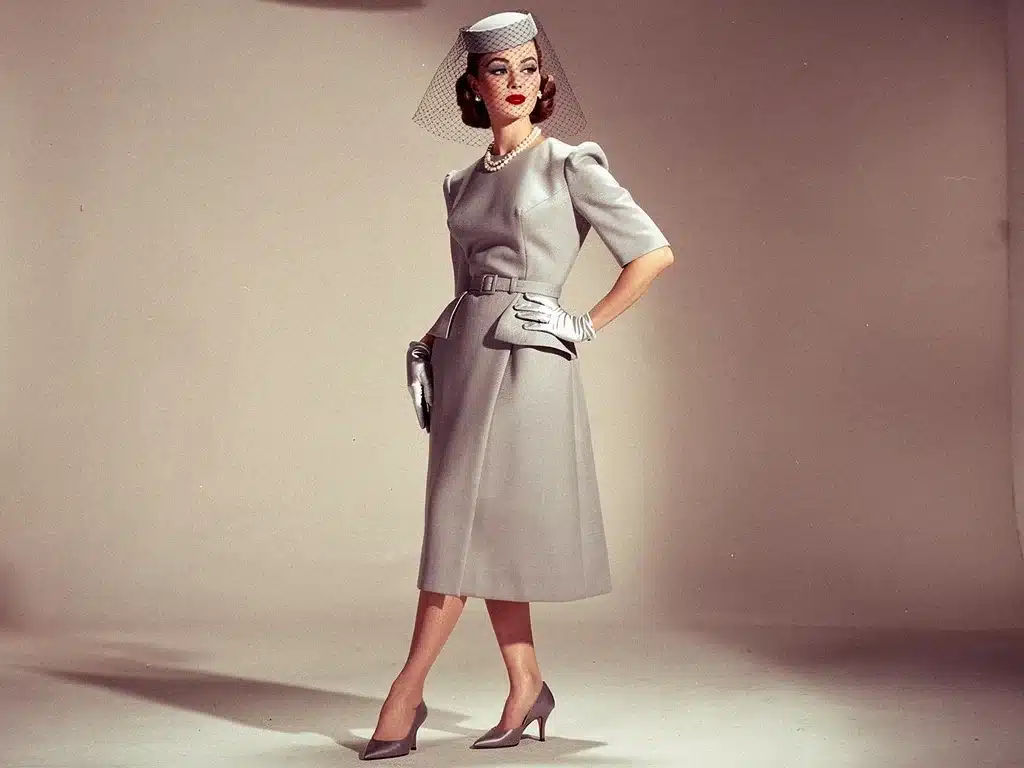
The pillbox hat, a small, round hat with no brim, became an iconic symbol of 1950s and early 1960s fashion. Its clean lines and elegant simplicity made it a favorite among royalty and celebrities, cementing its place in vintage hat making history.
Often made from felt, velvet, or silk, pillbox hats were frequently adorned with veils, bows, or small decorative pins. Their popularity underscored a desire for polished, sophisticated aesthetics in women’s fashion, reflecting the precision of vintage hat making.
Techniques for Achieving Structured Shapes
- Blocking: Using precisely carved wooden blocks to mold materials like felt or buckram into specific shapes.
- Wiring: Incorporating hat wire into brims and edges to maintain rigid, defined forms.
- Stiffening Agents: Applying solutions to fabrics to give them structure and durability.
- Lining: Adding silk or satin linings for a luxurious finish and comfortable wear, integral to vintage hat making.
1960s: Youthful Rebellion and Mod Influences in Hat Design
The early 1960s saw a continuation of 1950s elegance, but as the decade progressed, a youthful rebellion against traditional norms began to emerge, significantly impacting vintage hat making. Hats became more playful, experimental, and often less formal, reflecting a changing cultural landscape.
Jackie Kennedy’s iconic pillbox hats dominated the early part of the decade, maintaining a sophisticated image. However, by mid-decade, the rise of Mod fashion introduced new silhouettes and materials, pushing the boundaries of traditional vintage hat making.
Hats like the cloche made a brief resurgence, often with a modern twist, while less structured head coverings gained popularity. This era marked a transition, where hats began to move from essential accessories to more optional fashion statements, influencing the future of vintage hat making.
The Enduring Appeal of Jackie Kennedy’s Pillbox
Jackie Kennedy’s influence on fashion, particularly her signature pillbox hats, extended well into the 1960s. Her elegant and understated style solidified the pillbox as a symbol of grace and sophistication, maintaining its relevance in vintage hat making.
Her choice of hats often complemented her tailored suits and dresses, creating a cohesive and polished look that was widely emulated. The pillbox, in her hands, became a powerful fashion statement, a testament to the enduring impact of vintage hat making.
Mod Fashion’s Impact on Headwear
- Geometric Shapes: Hats began to incorporate more angular and bold geometric designs, moving away from softer curves.
- Bright Colors: A departure from muted tones, hats embraced vibrant, eye-catching hues that matched Mod clothing.
- Unisex Styles: Some hat designs blurred gender lines, reflecting a broader cultural shift towards more egalitarian fashion.
- Less Formal: Hats became less about strict formality and more about individual expression, influencing modern vintage hat making.
The Craftsmanship Behind Vintage Hat Making: Tools and Techniques
The artistry of vintage hat making relied heavily on skilled milliners and specialized tools, transforming raw materials into exquisite headwear. Understanding these traditional methods highlights the dedication and precision involved in creating each piece, which often involved intricate handwork.
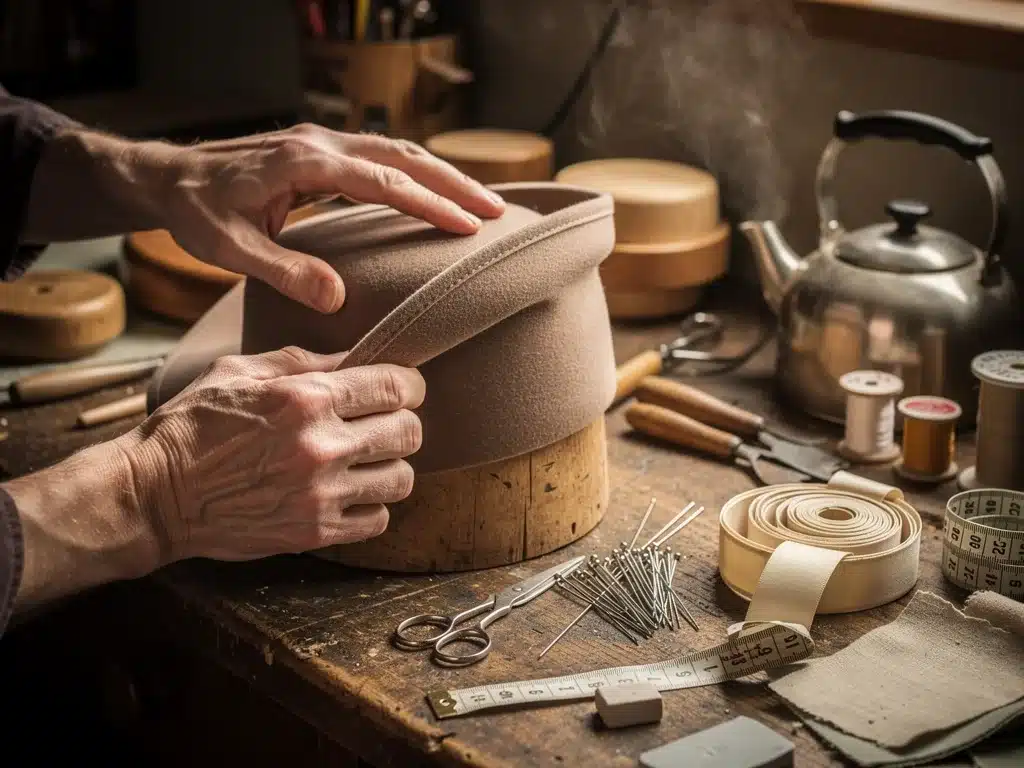
Hat blocks, often made from wood, were fundamental in shaping hats, providing the base structure upon which felt or straw was molded. These blocks came in myriad shapes and sizes, allowing for endless design possibilities in vintage hat making.
From steaming and stretching to meticulous hand-sewing and embellishment, every step in the process required expertise and a keen eye for detail. This commitment to craftsmanship is what makes authentic vintage hat making so highly valued today.
Essential Tools of the Milliner’s Trade
Beyond hat blocks, milliners utilized a range of specialized tools. Hat stretchers helped adjust sizes, while various irons and steamers were crucial for shaping and finishing materials. Each tool played a vital role in achieving the desired form and fit in vintage hat making.
Needles, threads, and thimbles were indispensable for the fine hand-stitching required for linings, trims, and embellishments. The precise use of these tools distinguished a master milliner’s work, showcasing the intricate nature of vintage hat making.
Traditional Techniques Preserved
- Blocking and Steaming: The foundational process of shaping hat materials over wooden blocks using steam to make them pliable.
- Wire Work: Incorporating hat wire into brims and edges to provide structure and maintain shape, crucial for many vintage hat designs.
- Trimming and Embellishing: The final stages involving the careful attachment of ribbons, feathers, flowers, and other decorative elements, a hallmark of vintage hat making.
- Lining and Finishing: Adding inner linings for comfort and a polished appearance, often using luxurious fabrics like silk.
Collecting and Preserving Vintage Hats: A Growing Passion
The passion for collecting and preserving vintage hats has grown significantly, driven by an appreciation for historical fashion and sustainable practices.
Enthusiasts seek out these unique pieces not just for their aesthetic appeal but also for the stories they tell about past eras and the art of vintage hat making.
Proper care and storage are crucial to maintaining the integrity and value of vintage hats, preventing damage from light, dust, and moisture.
Collectors often invest in specialized hat boxes and acid-free tissue paper to ensure their treasures endure, recognizing the importance of preserving vintage hat making history.
Restoration can breathe new life into damaged hats, but it requires specialized knowledge to maintain authenticity. The commitment to preserving these items reflects a deeper connection to fashion history and the skilled craft of vintage hat making.
Tips for Caring for Your Vintage Hat Collection
Storing hats on appropriate hat stands helps maintain their shape and prevents crushing. Keeping them away from direct sunlight protects colors from fading and materials from deteriorating, extending the life of your vintage hat making treasures.
Regular, gentle dusting with a soft brush can prevent dirt buildup, and avoiding harsh chemicals is essential to preserve delicate fabrics and embellishments. These simple steps ensure the longevity of items from the golden age of vintage hat making.
Authenticity and Valuation in Vintage Hat Making
- Examine Labels: Original labels often provide clues about the manufacturer, era, and material composition.
- Inspect Construction: Hand-stitching, quality of materials, and traditional techniques indicate authenticity.
- Research Provenance: Knowing the hat’s history or previous owners can add significant value and context.
- Consult Experts: For rare or high-value pieces, professional appraisal can confirm authenticity and worth in the market for vintage hat making.
The Enduring Legacy of Vintage Hat Making in Modern Fashion
The legacy of vintage hat making extends far beyond historical archives, actively influencing contemporary fashion designers and enthusiasts. Elements from 1930s to 1960s headwear are frequently reinterpreted, proving the timeless appeal and versatility of these classic designs.
Runway collections often feature nods to vintage silhouettes, materials, and embellishments, adapting them for a modern audience. This continuous dialogue between past and present ensures that the craft of vintage hat making remains relevant and inspiring.
From bespoke millinery to mass-produced accessories, the influence is evident in the structured forms, delicate veils, and dramatic brims seen today. The enduring charm of vintage hat making continues to captivate and shape current trends.
Vintage Hat Making as Sustainable Fashion
Reusing and upcycling vintage hats offers an inherently sustainable approach to fashion, reducing waste and promoting circularity. This practice aligns with growing environmental consciousness in the industry, giving new life to old treasures.
The quality and durability of historically crafted hats often surpass modern fast fashion items, making them valuable investments. Embracing vintage hat making contributes to a more sustainable and ethical fashion ecosystem, celebrating longevity over disposability.
Modern Milliners Inspired by History
- Bespoke Creations: Contemporary milliners draw heavily on historical patterns and techniques to create unique, custom hats.
- Material Innovation: While honoring traditional materials, modern designers also integrate new sustainable or high-tech fabrics.
- Revival of Styles: Iconic shapes like the pillbox or wide-brimmed fedora are constantly being re-imagined for new generations.
- Educational Workshops: Many artisans teach vintage hat making techniques, ensuring the preservation and continuation of the craft.
| Key Aspect | Description |
|---|---|
| 1930s Styles | Elegant, often tilted hats with subtle embellishments, reflecting Depression-era ingenuity and sophistication. |
| 1940s Evolution | Wartime practicality with turbans and snoods, transitioning to post-war glamour with more elaborate designs. |
| 1950s Signature | Structured elegance, notably the pillbox hat, symbolizing refined femininity and coordinated ensembles. |
| 1960s Transition | From early sophistication (Jackie Kennedy’s pillbox) to youthful, experimental, and less formal Mod styles. |
Frequently Asked Questions About Vintage Hat Making
Vintage hat making in the 1930s was characterized by elegance and resourcefulness. Styles often featured tilted designs, subtle veils, and quality materials like felt and straw. These hats balanced glamour with practicality, reflecting the economic constraints of the Great Depression while maintaining sophistication.
World War II significantly influenced vintage hat making by promoting smaller, more practical designs due to rationing. Turbans and snoods became popular for their utility and ability to be made from repurposed materials. Post-war, there was a resurgence of more elaborate and decorative styles, symbolizing a return to luxury.
The pillbox hat became iconic in the 1950s due to its structured elegance and association with refined femininity. Popularized by figures like Jackie Kennedy, its simple, clean lines and versatile embellishments made it a symbol of sophisticated style. It perfectly complemented the tailored “New Look” of the era.
Yes, vintage hat making relied on specialized tools. Wooden hat blocks were essential for shaping felt and straw. Milliners also used hat stretchers, various irons, and steamers for molding and finishing. Fine hand-stitching with needles and threads was crucial for linings, trims, and embellishments, highlighting the craft’s precision.
Vintage hat making continues to profoundly influence modern fashion. Contemporary designers frequently draw inspiration from historical silhouettes, materials, and embellishments. This legacy is evident in bespoke millinery and runway collections, demonstrating the timeless appeal and versatility of classic designs, while also promoting sustainable fashion practices.
Perspectives
The detailed examination of vintage hat making from the 1930s to the 1960s reveals more than just evolving fashion trends; it underscores the enduring human desire for expression and craftsmanship.
This historical overview provides crucial context for understanding current sartorial choices and the renewed interest in sustainable, handcrafted items.
As contemporary fashion increasingly looks to the past for inspiration, the principles and aesthetics of vintage hat making offer a rich resource.
Observing how styles adapted to societal shifts, from wartime austerity to post-war exuberance, provides valuable insights into the dynamic interplay between culture and design.
The meticulous techniques and the sheer artistry involved in creating these hats continue to inspire a new generation of designers and enthusiasts.
This not only preserves a significant part of fashion history but also champions a slower, more considered approach to personal style in an ever-accelerating world.