Vintage Outerwear: Identifying Quality Coats & Jackets
Advertisements
In the realm of sustainable fashion, identifying truly high-quality pre-1990 vintage outerwear requires evaluating material integrity and superior craftsmanship.
This guide details key indicators—from fabric composition to construction techniques—that help buyers recognize enduring vintage coats and jackets worth investing in.
Advertisements
The Enduring Appeal of Vintage Outerwear
Vintage outerwear holds a unique position in the fashion landscape, offering a blend of history, individuality, and often, superior quality compared to modern fast fashion.
These garments carry stories, reflecting design trends and manufacturing standards of their era.
Many pieces from before 1990 were constructed with an emphasis on durability and repairability, a stark contrast to today’s disposable clothing culture. This inherent longevity makes them a sustainable choice for conscious consumers.
Beyond sustainability, vintage outerwear allows for personal expression, enabling individuals to curate a wardrobe that stands out from mass-produced items. The appeal lies in their distinct character and the quality that has allowed them to persist.
Why Quality Matters in Vintage Finds
When seeking vintage outerwear, quality is not just a preference; it is a necessity for longevity and value. A well-made vintage piece will continue to serve its function and maintain its aesthetic appeal for years to come.
Inferior quality, even in vintage items, can lead to quick deterioration, making the purchase a short-lived novelty rather than a sustainable investment. Understanding the hallmarks of quality ensures your vintage finds are truly treasures.
Focusing on quality also means appreciating the craftsmanship and materials that once defined garment production. It is a nod to a time when clothing was made to last, offering a tangible connection to fashion history.
Decoding Fabric and Material Integrity
The foundation of any high-quality garment lies in its materials, and this is especially true for vintage outerwear. Before 1990, natural fibers like wool, leather, and cotton were often of a higher grade and less blended with synthetics.
Inspecting the fabric for signs of wear, pilling, or thinning is crucial, but equally important is recognizing the inherent quality of the material itself. A heavy, dense wool or a supple, full-grain leather speaks volumes about its original construction.
Synthetic materials from this era, such as nylon or polyester, can also be high quality, particularly in performance outerwear like ski jackets or windbreakers. Their condition should be assessed for brittleness or damage.
Wool and Other Natural Fibers
For wool coats, look for dense weaves, a soft hand, and a lack of excessive pilling. High-quality woolens from before 1990 often feature virgin wool, cashmere, or alpaca, known for their warmth and luxurious feel.
Examine the fabric against the light to check for thinning areas or moth damage, which can compromise the garment’s integrity. The weight of the wool often indicates its quality and warmth, with heavier coats generally offering better insulation.
Lining materials are also key; silk, rayon, or Bemberg linings are indicators of a higher-end garment, providing comfort and a smooth drape. Ensure the lining is intact and not excessively worn.
- Check for dense, even weave in wool.
- Look for natural fiber content tags (if available).
- Inspect for moth damage or thinning areas.
- Assess the quality and condition of the lining.
Leather and Suede Assessment
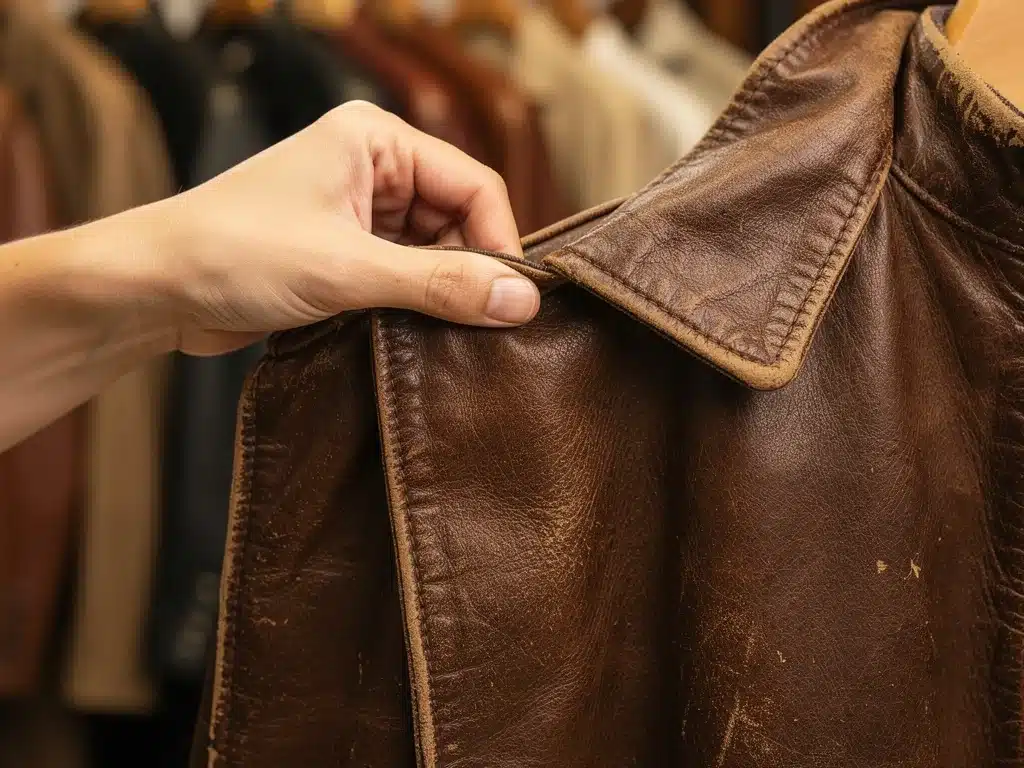
When it comes to leather jackets, the type and condition of the leather are paramount. Full-grain leather, known for its durability and ability to develop a beautiful patina, is a hallmark of superior vintage pieces.
Inspect the leather for cracks, excessive dryness, or stiffness, which can indicate poor care or degradation. Supple, flexible leather with a rich, consistent color is generally a good sign of quality and proper conditioning.
Suede outerwear requires a similar assessment, looking for even texture, softness, and an absence of bald spots or hard patches. Both leather and suede should feel substantial without being overly heavy or rigid.
- Prioritize full-grain or top-grain leather.
- Check for cracks, dryness, or stiffness.
- Ensure leather is supple and flexible.
- For suede, look for even texture and softness.
Examining Construction and Craftsmanship
Beyond materials, the way a garment is put together is a definitive indicator of its quality. Vintage outerwear from before 1990 often showcases superior construction techniques that are less common in modern mass production.
Pay close attention to stitching, seams, and hardware. These details reveal the care and expertise that went into making the garment, influencing its durability and overall finish.
A well-constructed piece will exhibit clean, even stitching, reinforced stress points, and robust hardware that functions smoothly. These elements collectively contribute to the garment’s longevity.
Stitching and Seams
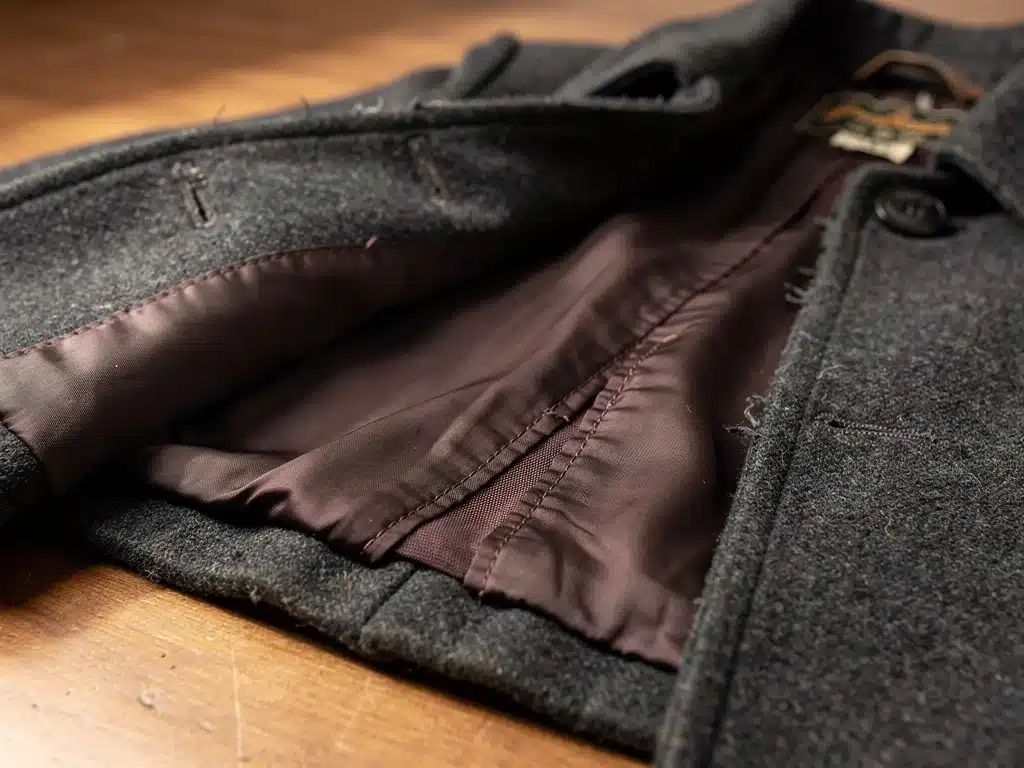
High-quality vintage outerwear will feature tight, even stitching with no loose threads or skipped stitches. Double-stitching or reinforced seams in high-stress areas like armholes and pockets are excellent indicators of durability.
Examine the interior seams; flat-felled or French seams, where raw edges are enclosed, suggest a higher level of craftsmanship and prevent fraying. Serged or raw edges can be acceptable for certain styles but generally point to a lower quality finish.
The overall alignment of panels and patterns should be precise, indicating careful cutting and assembly. Misaligned patterns or uneven seams can be signs of rushed or careless production.
Hardware and Fastenings
Zippers, buttons, snaps, and buckles are critical components of outerwear, and their quality significantly impacts functionality and lifespan. Look for heavy-duty metal zippers from reputable brands like YKK or Talon, which are known for their durability.
Buttons should be securely attached, preferably with shank buttons for coats, and made from sturdy materials like horn, metal, or high-quality plastic. Plastic buttons that feel flimsy or are prone to cracking are a red flag.
Snaps and buckles should operate smoothly and feel solid, not flimsy. Hardware that is tarnished or corroded is expected in vintage pieces but should still function correctly and not be damaged beyond repair.
Assessing Fit and Design Elements
While quality of materials and construction are objective measures, the fit and design elements contribute to the overall desirability and wearability of vintage outerwear. Before 1990, silhouettes and sizing often differed from contemporary standards.
Understanding these historical nuances helps in selecting a piece that not functions well but also complements your personal style. A well-designed vintage coat or jacket should offer both aesthetic appeal and practical functionality.
Details such as collar styles, pocket configurations, and overall proportion are important considerations. These elements are integral to the garment’s character and authenticity.
Vintage Sizing and Silhouettes
Vintage sizing can be inconsistent and often runs smaller than modern equivalents. It is always advisable to check measurements rather than relying solely on the tagged size. Consider how the garment was intended to fit in its original era.
Silhouettes from before 1990 vary greatly, from structured shoulder pads of the 80s to the more relaxed cuts of the 70s. Choose a silhouette that you find flattering and comfortable, aligning with your current wardrobe needs.
Trying on the garment is ideal to assess its drape, comfort, and how it layers over other clothing. Pay attention to sleeve length, shoulder width, and overall body length to ensure a good fit.
Design Details and Authenticity
Beyond basic fit, inspect unique design details that might indicate quality or a particular era. Hand-finished details, unique embroidery, or specific button styles can be hallmarks of higher-end vintage pieces.
Authenticity is also key; be wary of items attempting to replicate vintage styles without genuine age. Look for signs of legitimate wear and patina that are consistent with a garment’s purported age.
The presence of original labels, care tags, and union tags can provide valuable information about the garment’s origin, materials, and manufacturing period, aiding in authentication and quality assessment.
Recognizing Reputable Vintage Brands and Makers
Identifying quality in vintage outerwear often involves recognizing brands or makers known for their superior craftsmanship before 1990. Certain labels consistently produced durable and well-designed garments that have stood the test of time.
Researching historical brands can provide a shortcut to finding reliable vintage pieces. While not exhaustive, knowing a few key names can significantly enhance your chances of acquiring a valuable item.
These brands often invested in better materials and more skilled labor, resulting in products that continue to impress decades later. Their legacy is a testament to their commitment to quality.
Iconic Brands for Coats and Jackets
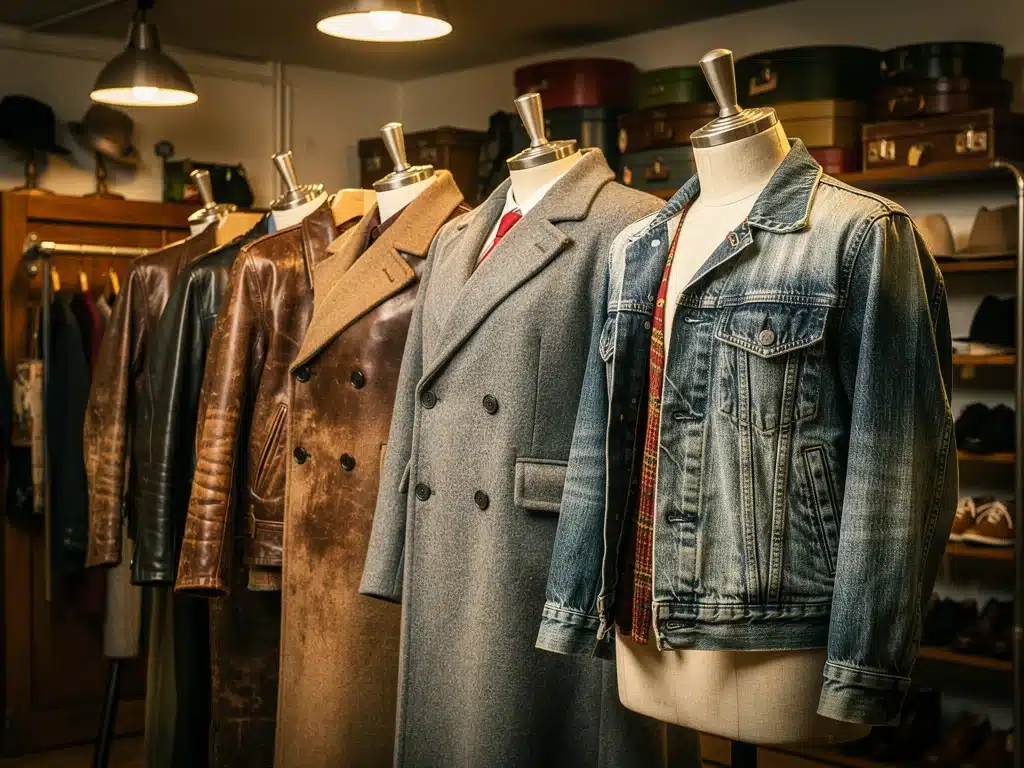
For wool coats, brands like Pendleton, L.L.Bean, and Eddie Bauer (especially their older labels) are often associated with robust quality. Their heritage pieces are known for their durable wool and classic designs.
In leather outerwear, Schott NYC, Avirex (older models), and certain European military surplus jackets are highly regarded for their sturdy construction and high-quality leather. These brands prioritize longevity.
Denim jackets from Levi’s (especially ‘Big E’ era), Lee, and Wrangler from before 1990 are sought after for their superior denim quality and construction. Their vintage offerings often outlast modern counterparts.
- Pendleton, L.L.Bean, Eddie Bauer for wool.
- Schott NYC, Avirex for leather.
- Levi’s, Lee, Wrangler for denim.
Understanding Manufacturing Eras
The manufacturing practices of different decades can influence the quality of vintage outerwear. The mid-20th century, particularly the 1940s to 1960s, often saw very high standards of garment production due to a focus on durability and less emphasis on rapid trend cycles.
As production shifted more towards efficiency and lower costs in the later decades, some aspects of quality began to decline in certain segments of the market. However, premium brands generally maintained their standards.
Familiarizing yourself with the general manufacturing ethos of various eras can help contextualize the quality of a vintage piece. This historical perspective is invaluable for informed purchasing decisions.
Maintenance and Care for Vintage Outerwear
Acquiring high-quality vintage outerwear is only the first step; proper maintenance is crucial for preserving its condition and ensuring its longevity. Vintage garments, especially those from before 1990, often require specific care.
Understanding how to clean, store, and repair these pieces can significantly extend their life and protect your investment. Neglecting proper care can quickly diminish even the best quality vintage items.
Investing time in maintenance reflects a commitment to sustainable fashion and respects the craftsmanship of the original makers. It ensures these unique pieces continue to be enjoyed for years to come.
Cleaning and Storage Best Practices
Always refer to care labels if available, but for many vintage items, professional dry cleaning is the safest option, especially for wool and delicate fabrics. For leather, specialized leather cleaners or conditioners are recommended.
Store vintage outerwear in a cool, dry, and dark place, away from direct sunlight and humidity, which can cause fading, mildew, or material degradation. Use padded hangers to maintain the garment’s shape and prevent stretching.
Avoid storing in plastic bags for extended periods, as this can trap moisture and chemicals, which can damage fibers. Breathable garment bags are a better choice for long-term storage.
- Follow care labels or seek professional dry cleaning.
- Use specialized products for leather and suede.
- Store in a cool, dry, dark place.
- Use padded hangers and breathable garment bags.
Repairs and Restoration
Minor repairs, such as reattaching buttons or mending small tears, can often be done at home or by a skilled tailor. Addressing these issues promptly prevents further damage and preserves the garment’s integrity.
For more significant damage, like lining replacement or extensive re-stitching, consider consulting a specialist in vintage clothing repair or restoration. Their expertise can bring a beloved piece back to life while maintaining its authenticity.
Embrace the imperfections that come with age; a well-loved vintage piece often gains character from its history. However, distinguish between charming patina and structural damage that compromises wearability.
The Value Proposition of Quality Vintage
The decision to invest in quality vintage outerwear from before 1990 is more than a fashion statement; it is a conscious choice with multiple benefits. These garments offer a value proposition that extends beyond mere aesthetics.
From a financial perspective, well-maintained vintage pieces can retain or even increase in value over time, especially rare or iconic designs. This makes them a tangible asset in a fluctuating market.
Environmentally, choosing vintage reduces demand for new production, lessening the ecological footprint of the fashion industry. It is a powerful act of sustainable consumption, aligning personal style with global responsibility.
Financial and Environmental Benefits
Purchasing quality vintage outerwear often represents a better long-term investment than fast fashion. While the initial cost might be higher, the durability and timeless style mean fewer replacements are needed over time.
The environmental impact of vintage is significantly lower, as it bypasses the resource-intensive processes of new garment manufacturing. This reduces waste, water usage, and carbon emissions associated with textile production.
Furthermore, vintage items often possess a unique character and history that cannot be replicated by new clothing, offering a deeper connection to one’s wardrobe and a sense of individuality. It is a choice that benefits both wallet and planet.
Navigating the Vintage Market
Successfully finding high-quality vintage outerwear from before 1990 requires strategic navigation of the diverse vintage market. This involves knowing where to look and how to approach sellers, both online and in physical stores.
Different venues offer varying selections, price points, and levels of authentication. Understanding these distinctions can help you optimize your search and secure the best finds.
Whether you prefer the thrill of a physical hunt or the convenience of online browsing, equipping yourself with market knowledge is key to making informed and satisfying purchases.
Where to Find Quality Pieces
Physical vintage stores, curated boutiques, and antique markets often provide the best opportunity to inspect garments firsthand. Sellers in these venues may also possess valuable knowledge about the history and quality of their items.
Online platforms like Etsy, eBay, and specialized vintage fashion websites offer a broader selection, but require careful review of descriptions, photos, and seller ratings. Always ask for additional photos or details if unsure.
Thrift stores and estate sales can yield incredible finds at lower prices, though they require more patience and a keen eye for spotting hidden gems. The thrill of discovery is often part of the appeal in these settings.
- Visit physical vintage stores and boutiques for hands-on inspection.
- Utilize online platforms, but verify seller reputation and item details.
- Explore thrift stores and estate sales for potential bargains.
| Key Aspect | Description |
|---|---|
| Material Quality | Assess natural fibers like wool, leather, and cotton for density, suppleness, and condition. |
| Construction Details | Examine stitching, seams, and hardware for durability and craftsmanship indicators. |
| Brand Recognition | Identify reputable vintage brands known for consistent quality before 1990. |
| Proper Care | Implement appropriate cleaning, storage, and repair methods to preserve vintage outerwear. |
Frequently Asked Questions About Vintage Outerwear Quality
Key indicators include robust natural materials like dense wool or full-grain leather, meticulous stitching, sturdy hardware (e.g., YKK zippers), and intact linings. Brands known for quality before 1990 also provide a strong clue. Inspecting these elements ensures durability and lasting appeal.
Always check for care labels, but generally, professional dry cleaning is recommended for wool. Leather requires specialized cleaners and conditioners. Store items on padded hangers in a cool, dry, dark place, away from direct sunlight and humidity. Avoid plastic bags for long-term storage.
Yes, well-maintained, rare, or iconic pieces of vintage outerwear can certainly appreciate in value. Factors like brand prestige, historical significance, condition, and unique design contribute to their investment potential. It is crucial to select pieces with inherent quality and classic appeal.
Look out for excessive pilling, moth holes in wool, cracks or stiffness in leather, broken zippers, missing buttons, frayed seams, and significant discoloration or fading. While some wear is expected, structural damage or irreparable flaws should be avoided.
Some synthetic materials from before 1990, particularly in specialized performance wear like ski jackets, can be of high quality. However, they should be assessed for brittleness, stickiness, or degradation, as older synthetics may not age as gracefully as natural fibers. Look for durable, robust synthetics.
Perspectives
The discerning approach to Vintage Outerwear: Identifying the Best Quality Coats and Jackets from Before 1990 offers significant rewards, both in personal style and sustainable living.
This focus on enduring quality rather than fleeting trends underscores a broader shift in consumer values.
As the market for vintage fashion continues to evolve, understanding the nuances of materials, construction, and care will remain paramount.
Exploring curated collections of vintage jackets allows collectors and enthusiasts to experience this exceptional level of historical craftsmanship firsthand.
Consumers are increasingly seeking authenticity and longevity, making well-chosen vintage outerwear a cornerstone of a conscious wardrobe.
The ongoing appeal of these timeless pieces reflects a desire for craftsmanship and history that contemporary fast fashion often fails to provide.