Brass Instrument Maintenance: 3 Critical 2026 Tips for Extended Lifespan
Advertisements
Implementing consistent and strategic brass instrument maintenance practices in 2026 is crucial for extending an instrument’s lifespan by two years, preserving its tonal quality, and ensuring reliable performance.
Advertisements
As musicians, our instruments are extensions of ourselves, and their longevity directly impacts our musical journey. Mastering brass instrument maintenance is not merely a chore; it’s an investment in your instrument’s future, promising extended playability and preserving its rich sound for years to come. In this article, we’ll delve into three critical tips for 2026 that can realistically add two years to your brass instrument’s life.
Understanding the Fundamentals of Brass Instrument Care
Before diving into advanced techniques, it’s essential to grasp the foundational principles of brass instrument care. These fundamentals form the bedrock upon which all other maintenance practices are built, ensuring your instrument remains in optimal condition.
Brass instruments, by their very nature, are susceptible to corrosion, wear, and accumulation of debris. Regular attention to these basic aspects can prevent minor issues from escalating into costly repairs. Think of it as preventative medicine for your musical companion.
Daily Cleaning Habits for Longevity
Establishing a routine of daily cleaning is perhaps the most impactful step you can take. This isn’t about deep cleaning every day, but rather simple, consistent actions that mitigate the buildup of moisture and residue.
- Wipe Down After Each Use: Use a soft, lint-free cloth to wipe down the exterior of your instrument, removing fingerprints and moisture.
- Empty Water Keys: Always empty all water keys thoroughly after each playing session to prevent moisture from sitting in the tubing.
- Clean Mouthpiece: Swab your mouthpiece with a dedicated brush and mild soap weekly to remove saliva and prevent bacterial growth.
These small habits, when consistently applied, significantly reduce the rate at which your instrument degrades. They prevent the acidic components of saliva and condensation from corroding the internal structure and finish.
The Role of Proper Storage
How you store your brass instrument when not in use plays a crucial role in its long-term health. Incorrect storage can lead to physical damage, exposure to extreme temperatures, and increased risk of corrosion.
Always store your instrument in its original, fitted case. This provides protection against impacts and minimizes exposure to environmental fluctuations. Avoid leaving your instrument in direct sunlight or in areas with high humidity, such as basements or attics, as these conditions can accelerate material degradation.
The fundamentals of brass instrument care are not complex, but they demand consistency and attention to detail. By integrating these basic practices into your routine, you lay a strong foundation for the advanced maintenance tips that will further extend your instrument’s life.
Critical Tip 1: Advanced Lubrication and Valve/Slide Care
One of the most overlooked aspects of brass instrument maintenance, yet arguably the most crucial for extending its lifespan and ensuring optimal playability, is advanced lubrication and meticulous valve and slide care. This goes beyond just applying oil; it involves understanding the specific needs of each component.
The intricate mechanisms of valves and slides are constantly in motion, and without proper lubrication, friction can lead to premature wear, sluggish action, and even permanent damage. In 2026, embracing a more sophisticated approach to lubrication is key.
Choosing the Right Lubricants
Not all oils and greases are created equal. Using the wrong type can do more harm than good, attracting dirt or failing to provide adequate protection. For valves, synthetic valve oils are generally preferred due to their consistent viscosity and resistance to gumming up.
- Piston Valves: Opt for high-quality synthetic valve oils that offer long-lasting lubrication and minimal residue. Brands often specify their oils for different instrument types.
- Rotary Valves: These require a slightly different approach, often benefiting from lighter spindle oils and heavier bearing oils. Consult your instrument manufacturer for specific recommendations.
- Tuning Slides: Heavy slide grease is essential for main tuning slides to create an airtight seal and prevent seizing.
- Working Slides (Trombones): Trombone slides demand specialized slide lubricants, often a combination of cream and water, to ensure smooth, friction-free movement.
Understanding these distinctions ensures that each moving part receives the optimal level of protection and functionality. It’s a small investment that pays dividends in instrument longevity and performance.
Scheduled Deep Cleaning of Valves and Slides
While daily wiping is good, a scheduled deep cleaning of these components is vital. This process removes accumulated old oil, grease, and microscopic debris that can cause abrasive wear over time. For valves, this means carefully disassembling them and cleaning each part with a soft cloth and a specialized valve brush.
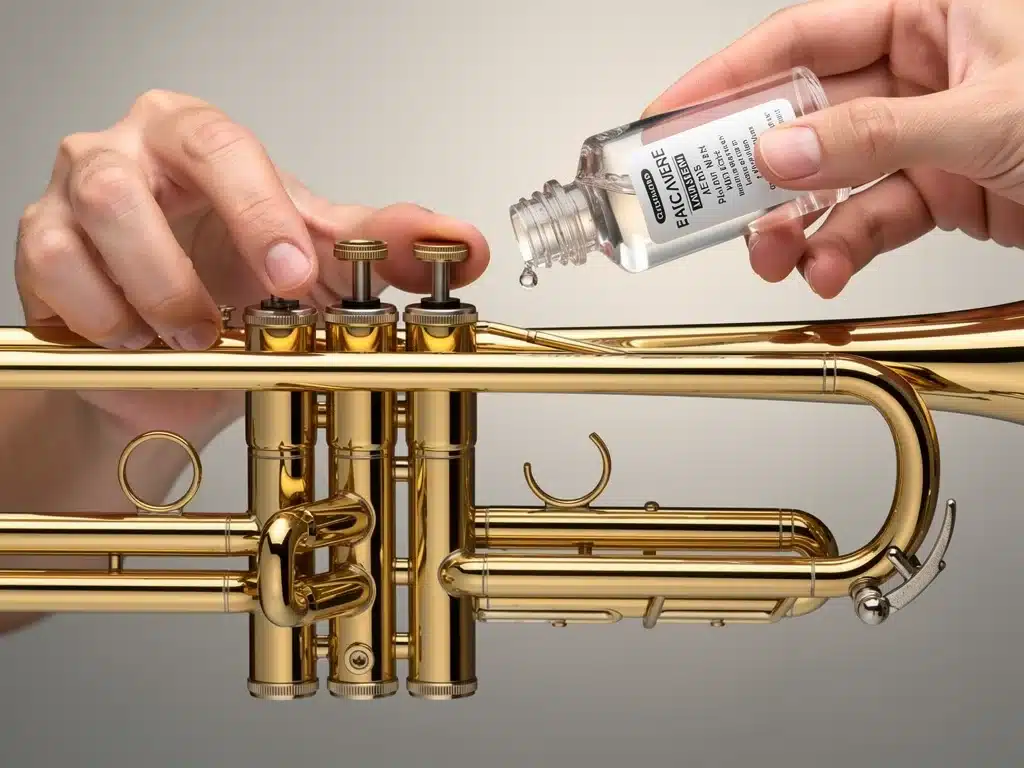
For slides, a thorough wash with lukewarm soapy water (mild dish soap is acceptable) and then drying completely is necessary. Ensure all old grease is removed before reapplying a fresh layer. This deep cleaning should ideally occur every 1-3 months, depending on how frequently the instrument is played and the environmental conditions.
By implementing advanced lubrication techniques and committing to a rigorous deep cleaning schedule for valves and slides, you are directly addressing the areas most prone to wear and tear. This proactive approach significantly extends the functional life of these critical components, ensuring smooth operation and preserving the instrument’s playability for many years.
Critical Tip 2: Internal Bore Cleaning and Descaling Protocols
While external cleanliness is easily visible, the internal condition of your brass instrument’s bore is equally, if not more, important for its longevity and sound quality. Over time, mineral deposits from saliva and water, along with organic residues, accumulate inside the tubing, leading to corrosion, altered intonation, and even blockages. Implementing rigorous internal bore cleaning and descaling protocols is a critical tip for 2026.
Neglecting the instrument’s interior can silently degrade its performance and structural integrity. These internal buildups create uneven surfaces, disrupting the airflow and affecting the instrument’s resonance and response.
The Importance of Regular Bore Swabbing
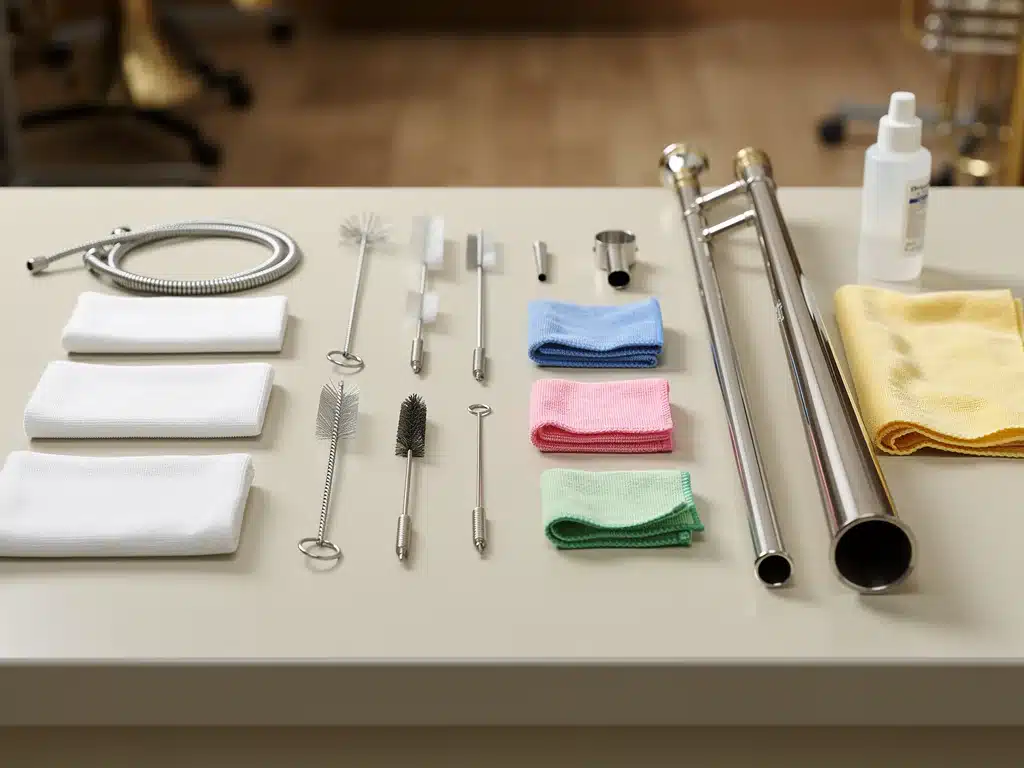
After each playing session, using a flexible bore snake or swab can help remove the bulk of moisture and loose debris. This simple action prevents the initial adhesion of deposits to the internal walls of the tubing. While not a deep clean, it’s an essential daily habit.
For instruments like trombones, the slide section specifically benefits from frequent swabbing. For trumpets and other valved instruments, ensure the snake reaches all accessible parts of the main tuning slide and valve casings.
Advanced Descaling Techniques for 2026
For a truly extended lifespan, periodic descaling is paramount. This involves using specialized cleaning solutions to dissolve hard mineral deposits without harming the brass. For 2026, the focus is on gentle yet effective solutions that can be safely used at home or by a professional.
- Citric Acid Solutions: A mild solution of citric acid (available in powder form) and distilled water can be highly effective. Mix a small amount (e.g., 1 teaspoon per quart of water) and let it soak through the instrument for a short period (15-30 minutes), followed by a thorough rinse.
- Specialized Instrument Cleaners: Many manufacturers offer dedicated brass instrument cleaning solutions designed to be safe and effective for internal cleaning. Always follow their instructions meticulously.
- Professional Chemical Cleaning: Every 1-2 years, consider a professional chemical cleaning by a qualified repair technician. They have access to stronger, safer chemicals and specialized equipment to remove even the most stubborn deposits.
After any descaling, it is absolutely critical to rinse the instrument thoroughly with clean, lukewarm water to remove all traces of the cleaning solution. Any residue left behind can continue to react with the brass, causing damage.
Internal bore cleaning and descaling protocols are crucial for maintaining the acoustic integrity and structural health of your brass instrument. By preventing the accumulation of harmful deposits, you ensure consistent intonation, optimal response, and significantly extend the instrument’s life, keeping it sounding its best.
Critical Tip 3: Proactive Dent Removal and Minor Repair Management
Physical damage, even seemingly minor dents, can significantly impact a brass instrument’s performance and structural integrity over time. Proactive dent removal and diligent management of minor repairs are critical for extending an instrument’s lifespan and maintaining its resale value. Ignoring small issues often leads to larger, more expensive problems down the line.
Dents, especially in the bell or lead pipe, can alter the instrument’s acoustic properties, affecting intonation and projection. Even small dings can weaken the metal, making it more susceptible to further damage.
The Impact of Dents on Performance
A dent might seem cosmetic, but it creates an obstruction in the airflow path, causing turbulence. This turbulence can lead to:
- Intonation Issues: The instrument may play out of tune in certain registers.
- Reduced Resonance: The overall vibrancy and richness of the tone can be diminished.
- Increased Resistance: The instrument might feel harder to blow, requiring more effort from the player.
Addressing dents promptly ensures the instrument performs as designed, preserving the intended acoustic qualities.
When to Seek Professional Help for Dents
While some very minor, superficial dents might be carefully massaged out with specialized tools by experienced individuals, the vast majority of dent removal should be left to professional instrument repair technicians. Attempting DIY dent removal without the proper tools and expertise can easily worsen the damage, leading to cracks or stretched metal that are far more difficult and costly to fix.
A professional technician uses specialized dent balls, mandrels, and burnishers to carefully reshape the brass without thinning or stressing the metal. They can also address any resulting alignment issues.
Managing Minor Repairs and Adjustments
Beyond dents, other minor issues require proactive management. These include:
- Loose Braces: The soldered joints that hold parts of the instrument together can loosen over time. If detected early, these can be re-soldered easily. Ignoring them can lead to parts breaking off or the instrument becoming misaligned.
- Worn Corks and Felts: These small components are crucial for proper valve and slide action, and for preventing metal-on-metal contact. Replacing worn corks and felts regularly prevents rattling and ensures smooth, quiet operation.
- Stuck Slides/Valves: If a slide or valve becomes difficult to move, do not force it. This is often a sign of corrosion or a minor misalignment that a technician can quickly resolve. Forcing it can cause severe damage.
Regular check-ups with a reputable instrument repair technician, perhaps annually, can catch these minor issues before they become significant. Proactive dent removal and diligent minor repair management are essential elements of comprehensive brass instrument maintenance. By addressing these physical aspects promptly, you protect your instrument’s structural integrity, maintain its playability, and significantly extend its operational life.
The Economic Benefits of Proactive Maintenance
Investing time and effort into proactive brass instrument maintenance isn’t just about preserving sound quality; it’s also a smart financial decision. The economic benefits of regular care far outweigh the costs of neglecting your instrument, saving you significant money in the long run.
Consider the potential expenses of major repairs or even instrument replacement. These can be astronomical compared to the modest cost of cleaning supplies and routine professional check-ups. Proactive maintenance acts as an insurance policy for your valuable asset.
Avoiding Costly Repairs
Small issues, when ignored, tend to snowball into major problems. A sticky valve can become a corroded valve requiring complete replacement. A minor dent can lead to structural weakness and eventually a crack. Each of these escalations comes with a hefty repair bill.
By preventing corrosion, wear, and physical damage through consistent maintenance, you effectively bypass the need for these expensive interventions. This is where the “two years” extension in lifespan truly translates into tangible savings, as you push back the timeline for costly overhauls or purchasing a new instrument.
Maintaining Resale Value
Should you ever decide to upgrade or sell your brass instrument, its condition will be the primary determinant of its resale value. A well-maintained instrument, free from significant dents, corrosion, and with smooth-functioning components, will fetch a much higher price than one that has been neglected.
Buyers are willing to pay a premium for an instrument that shows signs of careful ownership and consistent care. This preservation of value is a direct return on your maintenance investment.
Optimizing Performance and Playability
While not a direct economic benefit, optimizing performance and playability contributes to a musician’s overall satisfaction and potentially their professional opportunities. An instrument that consistently performs at its best allows for better practice, more enjoyable performances, and fewer frustrations.
This can lead to improved skill development and greater musical opportunities, which indirectly have economic implications for professional musicians. The economic benefits of proactive maintenance are clear and substantial. By dedicating time and a small budget to regular care, you protect your investment, save money on repairs, and ensure your instrument remains a valuable and reliable musical partner for years to come.
Establishing a Comprehensive Maintenance Schedule for 2026
To truly extend your brass instrument’s lifespan by two years and beyond, merely knowing the tips isn’t enough; you need to integrate them into a consistent, comprehensive maintenance schedule. For 2026, the emphasis is on creating a personalized plan that fits your playing habits and instrument type, ensuring no aspect of care is overlooked.
A well-structured schedule removes the guesswork from maintenance, transforming it from an occasional chore into a regular, manageable routine. This systematic approach ensures all critical areas are addressed at appropriate intervals.
Daily, Weekly, and Monthly Routines
Segmenting your maintenance tasks into different frequencies helps manage the workload and ensures consistent care:
- Daily: Wipe down exterior, empty water keys, swab mouthpiece (quick clean), store properly.
- Weekly: Thorough mouthpiece cleaning, check valve/slide action, re-oil valves (if needed), re-grease working slides (trombones).
- Monthly: Thorough cleaning of all individual tuning slides (clean old grease, reapply new), deep clean valves (disassemble, clean, re-oil), bore swab with cleaning solution if appropriate for your instrument type.
These routines are adaptable. If you play more frequently, you might increase the frequency of weekly tasks. If you play less, you might extend some monthly tasks slightly.
Annual Professional Check-ups and Overhauls
Even with the most diligent home maintenance, professional attention is indispensable. An annual visit to a qualified brass instrument repair technician is crucial for comprehensive care.
During these check-ups, technicians can identify and address issues that might be invisible to the untrained eye, such as:
- Internal Corrosion: Detecting and treating early signs of corrosion.
- Dent Removal: Professionally removing any accumulated dents.
- Valve/Slide Alignment: Ensuring all moving parts are perfectly aligned.
- Soldering Issues: Re-soldering any loose braces or joints.
- Chemical Cleaning: Performing a full chemical cleaning to descale the interior thoroughly.
These professional overhauls, typically every 1-2 years, are the ultimate safeguard for your instrument’s long-term health, ensuring it remains in peak playing condition and significantly extending its lifespan.
Establishing a comprehensive maintenance schedule for 2026 is a commitment to your instrument’s future. By integrating daily, weekly, and monthly routines with periodic professional check-ups, you create a robust care plan that not only extends its lifespan but also preserves its musical integrity and value.
Common Pitfalls in Brass Instrument Care to Avoid
While focusing on what to do is crucial, understanding what to avoid in brass instrument care is equally important. Many musicians, often unintentionally, fall into common pitfalls that can accelerate wear and tear, undoing the benefits of diligent maintenance. Recognizing and sidestepping these mistakes is vital for extending your instrument’s life.
These errors often stem from a lack of awareness or simply forgetting the delicate nature of brass. Avoiding them can prevent unnecessary damage and costly repairs.
Using Incorrect Cleaning Products and Tools
One of the most frequent mistakes is using household cleaning products or abrasive tools not designed for brass instruments. Harsh chemicals, general-purpose polishes, or rough cloths can strip lacquer, scratch the finish, or even chemically react with the brass, causing irreparable damage.
- Avoid Abrasives: Never use abrasive cloths, scouring pads, or metal brushes on your instrument.
- Steer Clear of Harsh Chemicals: Ammonia-based cleaners, strong detergents, or furniture polish are detrimental to brass.
- Use Dedicated Products: Always invest in cleaning cloths, brushes, and solutions specifically formulated for brass instruments.
The right tools and products are designed to be effective yet gentle, preserving the instrument’s finish and material integrity.
Neglecting Regular Temperature and Humidity Control
Brass instruments are sensitive to extreme fluctuations in temperature and humidity. Leaving an instrument in a hot car, near a radiator, or in a damp basement can cause significant damage.
- Temperature Extremes: Rapid changes can cause metal to expand and contract, leading to stress on soldered joints and potential cracks.
- High Humidity: Accelerates corrosion and can cause felts and corks to degrade faster.
- Low Humidity: Can dry out valve felts and cause woodwind components (if any, like clarinet mouthpieces used in brass ensembles) to crack.
Always store your instrument in a stable environment, ideally with controlled temperature and humidity, to minimize environmental stress.
Forcing Stuck Components
A stuck tuning slide or valve is a common, yet potentially very damaging, issue if handled incorrectly. Many musicians resort to brute force, which almost invariably leads to bending, snapping, or further lodging the component.
If a part is stuck, gently try to free it using a specialized penetrating oil or by slowly twisting. If it doesn’t budge with minimal effort, stop immediately and take it to a professional technician. They have the tools and expertise to free stuck parts without causing additional damage.
Avoiding these common pitfalls is as crucial as implementing proactive maintenance. By being mindful of the products you use, the environment your instrument is in, and the correct approach to minor issues, you can prevent significant damage and ensure your brass instrument remains in excellent condition, extending its life substantially.
| Key Maintenance Area | Benefit for Lifespan |
|---|---|
| Advanced Lubrication | Reduces friction on valves and slides, preventing premature wear and ensuring smooth operation, directly extending mechanical life. |
| Internal Bore Cleaning | Removes corrosive deposits, preventing internal damage and preserving acoustic integrity and metal structure. |
| Proactive Dent Removal | Maintains structural integrity and acoustic performance, preventing small damages from escalating into major, costly repairs. |
| Scheduled Professional Service | Identifies and corrects hidden issues, ensuring comprehensive care and preventing long-term degradation. |
Frequently Asked Questions About Brass Instrument Maintenance
▼
A light bore swabbing should be done after every use. A more thorough internal cleaning with a mild cleaning solution should ideally occur monthly, and a professional chemical cleaning is recommended every 1-2 years to remove stubborn mineral deposits.
▼
No, it is strongly advised against using household oils. They can gum up, attract dirt, and potentially corrode the delicate mechanisms of your instrument. Always use specialized synthetic valve oils and slide greases designed specifically for brass instruments.
▼
Do not force a stuck slide. This can cause significant damage. Apply a small amount of penetrating oil specifically designed for instruments, and gently try to twist it. If it remains stuck, take your instrument to a professional repair technician immediately.
▼
Dents, especially in critical areas like the lead pipe or bell, can disrupt airflow, altering intonation, reducing resonance, and increasing playing resistance. Even minor dents can compromise the instrument’s structural integrity and acoustic properties over time.
▼
Yes, professional maintenance complements your regular cleaning. Technicians can address hidden issues like internal corrosion, precise alignments, and complex dent removals that are beyond typical home care. Annual check-ups ensure comprehensive care and extend the instrument’s lifespan significantly.
Conclusion
Extending your brass instrument’s lifespan by two years, or even more, is an achievable goal through consistent and informed maintenance practices. By adopting the critical 2026 tips of advanced lubrication, rigorous internal bore cleaning, and proactive management of physical damage, you are making a profound investment in your instrument’s future. These practices not only preserve its sound quality and playability but also safeguard its financial value, ensuring your musical journey continues uninterrupted and your cherished instrument remains a reliable companion for many years to come.