Healthcare Spending Projections 2026: 7% Rise in Costs
Advertisements
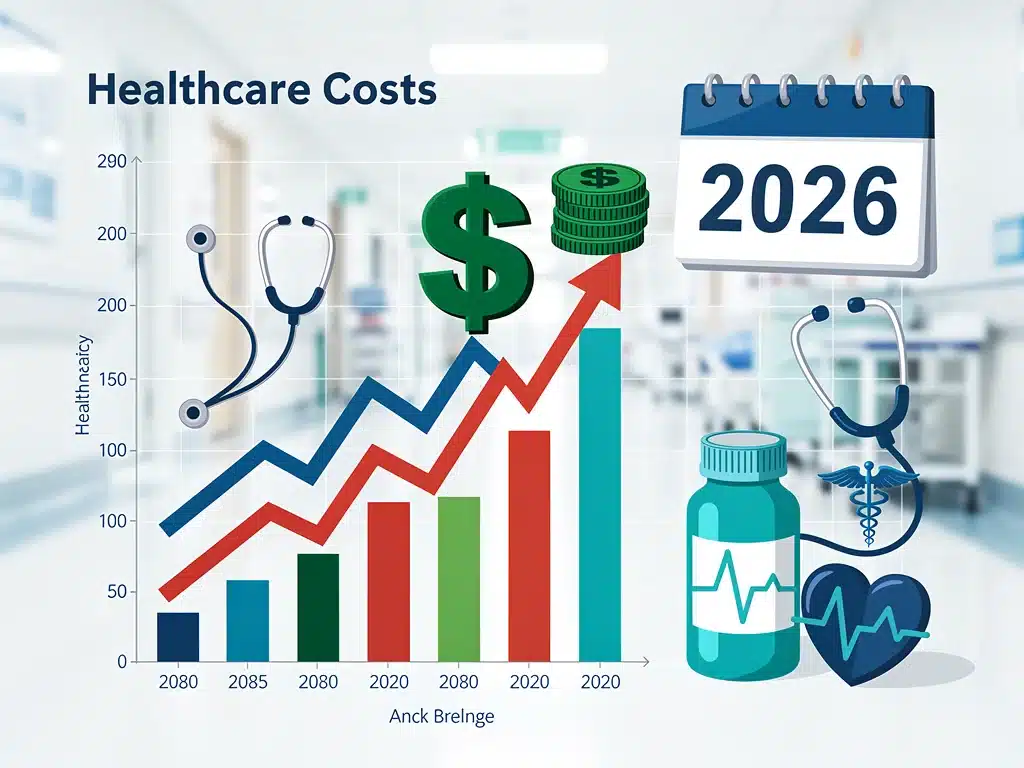
US healthcare spending is projected to increase by 7% in 2026 due to medical inflation, an aging population, and advancements in medical technology, necessitating proactive policy and budgeting adjustments.
Advertisements
The landscape of healthcare in the United States is constantly evolving, with significant financial implications for individuals, businesses, and the government. As we look towards the near future, specifically to 2026, the data points to a substantial increase in expenditures. Understanding these trends is crucial for informed decision-making across all sectors. This article delves into the critical economic factors driving the anticipated healthcare spending projections for 2026, highlighting a projected 7% rise in costs.
Understanding the 7% Rise: A Multifaceted Challenge
The projected 7% increase in healthcare spending by 2026 is not an isolated phenomenon but rather the culmination of several intertwined economic and societal factors. This rise represents a significant fiscal challenge, demanding attention from policymakers, healthcare providers, and consumers alike. It underscores the ongoing strain on national budgets and household finances, necessitating a deep dive into its root causes to strategize effective mitigation.
This anticipated surge far outpaces general inflation rates and wage growth, indicating a structural issue within the healthcare economy. While some growth is expected with population expansion and advancements, a 7% jump suggests underlying pressures that warrant thorough examination. The implications extend beyond mere numbers, affecting access to care, insurance premiums, and the overall economic stability of the nation.
The persistent force of medical inflation
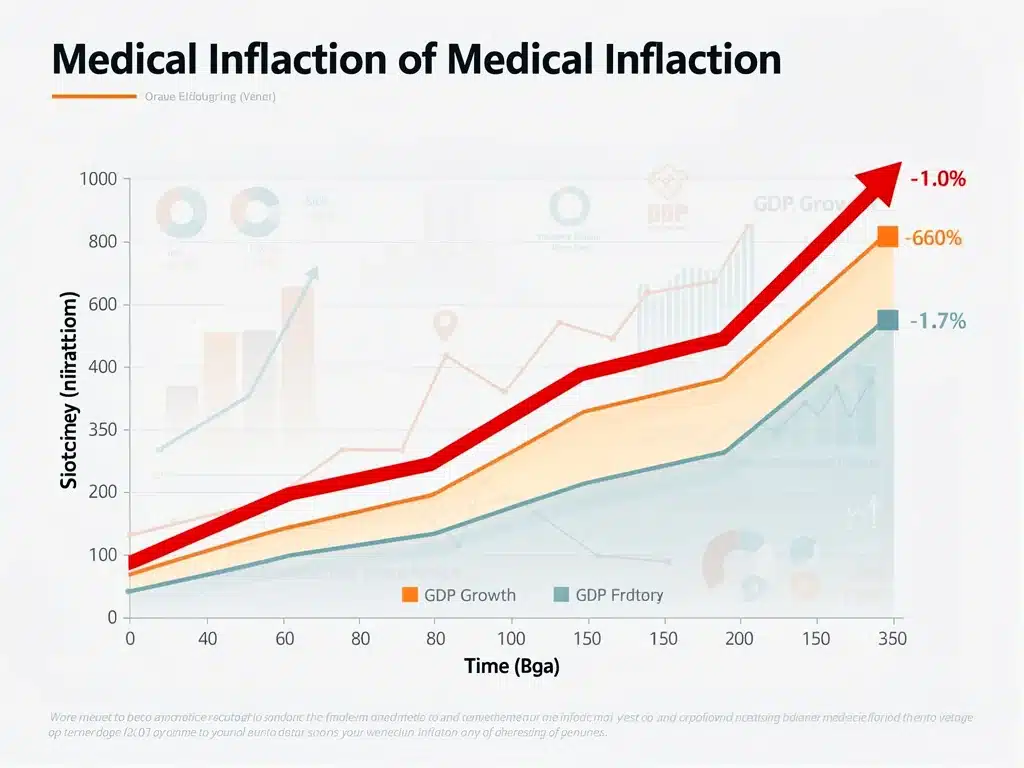
Medical inflation remains a primary driver of rising healthcare costs. Unlike general consumer price index increases, medical inflation specifically tracks the rising costs of medical goods and services, including prescription drugs, hospital stays, and physician fees. This specialized inflation often outpaces other economic indicators, contributing disproportionately to overall healthcare expenditure. The complexity of medical services and the demand elasticity play a significant role in its upward trajectory.
- Pharmaceutical costs: New drug development and market exclusivity often lead to high prices.
- Hospital services: Operating costs, technology investments, and staffing expenses continue to climb.
- Physician fees: Rising malpractice insurance and administrative burdens contribute to higher charges.
Technological advancements and their cost implications
While medical technology offers life-saving innovations and improves patient outcomes, it also comes with a hefty price tag. From advanced diagnostic imaging to robotic surgery and personalized medicine, these breakthroughs require substantial investment in research, development, and implementation. The cost of acquiring and maintaining cutting-edge equipment, along with training specialized personnel, directly translates into higher healthcare expenditures.
The adoption rate of new technologies also plays a role. As more facilities integrate these advanced tools, the aggregate cost across the system increases. While the long-term benefits in terms of improved health and productivity are undeniable, the immediate financial burden is substantial and a key contributor to the healthcare spending projections for 2026.
In conclusion, the projected 7% rise is a stark reminder that the US healthcare system faces complex economic pressures. Understanding these foundational drivers is the first step toward developing sustainable solutions that address both cost containment and quality of care.
Demographic Shifts and the Healthcare Burden
The demographic landscape of the United States is undergoing significant transformations, with profound implications for healthcare demand and spending. An aging population, coupled with evolving health needs, places increasing pressure on the healthcare system. This section explores how these demographic shifts are contributing to the projected rise in healthcare costs.
The baby boomer generation, a large cohort, is advancing into their senior years, a period typically associated with higher healthcare utilization. This demographic trend is not unique to the US but is particularly impactful given the existing structure and funding mechanisms of the American healthcare system. The sheer volume of individuals requiring more intensive and chronic care services is a critical factor.
The aging population and increased utilization
As individuals age, their susceptibility to chronic diseases and complex health conditions generally increases. This leads to a greater need for regular medical check-ups, specialized treatments, prescription medications, and long-term care services. The prevalence of conditions like heart disease, diabetes, and Alzheimer’s disease rises significantly with age, demanding more resources from the healthcare sector.
- Chronic disease management: Requires ongoing care, multiple medications, and frequent doctor visits.
- Long-term care needs: Increasing demand for nursing homes, assisted living, and home healthcare services.
- Specialized medical procedures: Older adults often require more complex surgeries and interventions.
Rising prevalence of chronic conditions
Beyond natural aging, the rising prevalence of chronic conditions across all age groups also contributes to increased healthcare spending. Lifestyle factors, environmental influences, and genetic predispositions all play a role in the growing number of people living with conditions that require continuous medical attention. Managing these conditions is expensive, involving a combination of pharmaceutical treatments, regular monitoring, and lifestyle interventions.
The emphasis on preventative care is increasing, but the existing burden of chronic diseases continues to drive a significant portion of healthcare expenditures. Effective management of these conditions can prevent more costly acute episodes, but the sheer scale of the challenge means that chronic care will remain a major cost driver for the foreseeable future, directly influencing the healthcare spending projections for 2026.
In summary, the demographic shift towards an older population with more prevalent chronic conditions is a fundamental force behind the anticipated increase in healthcare costs. Addressing these trends requires a multifaceted approach, including public health initiatives, improved chronic disease management, and sustainable funding models for long-term care.
The Role of Pharmaceutical Costs and Innovation
Pharmaceuticals represent a substantial and continually growing segment of overall healthcare spending. The landscape of drug development is characterized by high research and development costs, patent protections, and complex pricing strategies, all of which contribute to the upward trajectory of healthcare expenditures. Understanding the dynamics of pharmaceutical costs is essential when analyzing the healthcare spending projections for 2026.
While innovative drugs offer significant improvements in patient outcomes and quality of life, their high price often fuels debates about affordability and access. The balance between incentivizing pharmaceutical innovation and ensuring drugs are accessible to those who need them is a persistent challenge that directly impacts the national healthcare budget.
High R&D costs and drug pricing strategies
Developing new drugs is an incredibly expensive and time-consuming process, with a high rate of failure. Pharmaceutical companies often cite these extensive research and development costs as a primary justification for the high prices of patented medications. Once a drug is approved, patent protection grants the manufacturer exclusive rights to sell it for a period, allowing them to set prices without direct competition.
This pricing power, while intended to recoup investment and stimulate further innovation, often leads to significant costs for healthcare systems and patients. The lack of price negotiation power for certain payers, such as Medicare, further exacerbates this issue in the US market.
Impact of specialty medications and biologics
The pharmaceutical pipeline increasingly features specialty medications and biologics, which are often more complex to develop and manufacture than traditional small-molecule drugs. These drugs target specific diseases, including many rare conditions and advanced cancers, and can offer highly effective treatments where few options existed before. However, their complexity and targeted nature also mean they come with exceptionally high price tags.
The growing share of specialty drugs in the overall pharmaceutical market is a major contributor to rising costs. While they represent a smaller percentage of prescriptions, they account for a disproportionately large share of spending due to their high per-unit cost. This trend is expected to continue, heavily influencing the healthcare spending projections for 2026 and beyond.
In conclusion, the intersection of pharmaceutical innovation, high R&D costs, and strategic pricing, particularly for specialty and biologic drugs, forms a critical component of the rising healthcare expenditure. Addressing this requires a nuanced approach that fosters innovation while simultaneously ensuring affordability and equitable access to essential medications.
Administrative Burdens and System Inefficiencies
Beyond the direct costs of medical care and pharmaceuticals, a significant portion of healthcare spending is attributed to administrative overhead and system inefficiencies. The complex and fragmented nature of the US healthcare system creates numerous layers of bureaucracy, paperwork, and coordination challenges that ultimately translate into higher costs for everyone. Streamlining these processes is a critical area for potential cost savings.
These administrative burdens are not merely minor inconveniences; they divert resources that could otherwise be allocated to direct patient care, research, or preventative measures. Addressing these systemic issues is paramount for moderating the projected increase in healthcare spending and improving the overall value of the healthcare dollar.
Complexity of insurance and billing
The multi-payer system in the United States, involving numerous private insurers, Medicare, Medicaid, and other programs, leads to an incredibly complex billing and claims processing environment. Healthcare providers often need to employ large administrative teams solely dedicated to navigating different insurance plans, coding procedures, and submitting claims, which can vary significantly in their requirements.
- Varying claim formats: Different payers demand distinct documentation and submission processes.
- Prior authorization requirements: A significant administrative hurdle before many procedures or medications.
- Denial and appeals management: Extensive resources are spent on resolving rejected claims.
This administrative labyrinth consumes a considerable amount of time and resources, adding to the operational costs of hospitals and clinics. These costs are inevitably passed on to consumers through higher charges and insurance premiums, contributing directly to the rising healthcare spending projections for 2026.
Lack of interoperability and fragmented data systems
Another significant source of inefficiency stems from the lack of seamless interoperability between different healthcare IT systems. Patient records are often fragmented across various providers, hospitals, and specialists, making it difficult to share information efficiently and comprehensively. This fragmentation can lead to redundant tests, delayed diagnoses, and less coordinated care, all of which drive up costs.
When healthcare providers cannot easily access a patient’s complete medical history, there is an increased risk of medical errors and suboptimal treatment plans. Investing in robust, interoperable electronic health record (EHR) systems and promoting data sharing standards are crucial steps towards reducing these inefficiencies and fostering a more streamlined, cost-effective healthcare environment. The current state of fragmentation places an unnecessary financial burden on the system.
In summary, the substantial administrative overhead and systemic inefficiencies in the US healthcare system are significant contributors to rising costs. Simplifying insurance processes, improving billing practices, and enhancing data interoperability are critical areas where targeted reforms could yield substantial financial benefits and help manage future spending projections.
Policy Responses and Future Outlook
The projected 7% rise in healthcare spending projections for 2026 necessitates a proactive and comprehensive policy response from government bodies, healthcare organizations, and industry stakeholders. Without effective interventions, the escalating costs threaten to undermine economic stability, limit access to care, and place an unsustainable burden on individuals and families. This section examines potential policy avenues and the broader outlook for managing these financial challenges.
Addressing such a complex issue requires a multi-pronged strategy that considers both demand-side and supply-side factors, promotes innovation, and emphasizes value over volume. The choices made in the coming years will significantly shape the future affordability and accessibility of healthcare in the United States.
Leveraging technology for cost efficiency
Technology, while a cost driver, also presents significant opportunities for cost efficiency. The expanded use of telehealth, for instance, can reduce the need for in-person visits, saving time and resources for both patients and providers. Artificial intelligence (AI) and machine learning can optimize administrative tasks, improve diagnostic accuracy, and personalize treatment plans, potentially leading to better outcomes at lower costs.
Furthermore, data analytics can identify inefficiencies, predict disease outbreaks, and help allocate resources more effectively. Investing in digital health solutions and promoting their widespread adoption can transform the delivery of care, making it more efficient and patient-centric. These technological advancements, if properly implemented, could help mitigate some of the upward cost pressures.
Value-based care models and preventative health
Shifting from a fee-for-service model to value-based care is a critical policy direction. Under value-based care, providers are incentivized to deliver high-quality, cost-effective care that improves patient outcomes, rather than simply being paid for the volume of services rendered. This encourages a focus on preventative health, chronic disease management, and coordinated care, which can reduce the need for more expensive acute interventions.

Promoting preventative health initiatives, such as vaccination campaigns, healthy lifestyle education, and early disease screening, can significantly reduce the long-term burden of illness and associated healthcare costs. Investing in public health and wellness programs is a proactive strategy to improve population health and control future spending.
In conclusion, the outlook for healthcare spending in 2026 presents significant challenges, but also opportunities for strategic policy interventions. By embracing technological solutions, transitioning to value-based care, and prioritizing preventative health, policymakers can work towards a more sustainable and equitable healthcare system for all Americans.
Economic Impact on Consumers and Businesses
The projected 7% increase in healthcare spending projections for 2026 will have far-reaching economic consequences, directly impacting both individual consumers and businesses across the United States. These rising costs translate into higher out-of-pocket expenses, increased insurance premiums, and reduced disposable income for families, while businesses face greater operational costs and compressed profit margins. Understanding these impacts is crucial for anticipating the broader economic ripple effects.
The affordability crisis in healthcare is not just a statistical anomaly; it is a lived reality for millions. As costs continue their upward trajectory, the financial strain becomes more acute, influencing everything from household budgeting to corporate strategic planning. The ability of both individuals and companies to thrive is inextricably linked to the trajectory of healthcare costs.
Rising out-of-pocket costs and insurance premiums
For consumers, the most immediate and tangible impact of rising healthcare spending is the increase in out-of-pocket costs and insurance premiums. Deductibles, co-pays, and co-insurance amounts continue to climb, forcing individuals to pay more for their medical care before their insurance coverage fully kicks in. This can deter people from seeking necessary care, leading to worse health outcomes and potentially more expensive treatments down the line.
Health insurance premiums also continue to rise, placing a significant burden on household budgets. For many families, healthcare costs are becoming one of their largest expenditures, competing with housing, food, and transportation. This financial pressure can lead to medical debt, bankruptcy, and a general decline in financial well-being, directly attributable to the escalating costs.
Business implications: employer-sponsored health plans
Businesses, particularly those that offer employer-sponsored health insurance, also bear a substantial portion of the rising healthcare costs. As premiums increase, companies face higher expenses for their employee benefits packages. This can reduce their ability to invest in growth, hire new staff, or offer competitive wages, ultimately impacting their bottom line and overall economic competitiveness.
- Increased operational costs: Higher premiums directly impact a company’s budget.
- Reduced competitiveness: Businesses may struggle to offer attractive benefits compared to competitors.
- Impact on wages: Rising healthcare costs can sometimes lead to slower wage growth as companies try to offset expenses.
Small businesses are often hit particularly hard, as they may have less bargaining power with insurance providers and fewer resources to absorb rising costs. The burden of healthcare spending can influence business decisions, from where to locate operations to how many employees to hire, thereby affecting the broader economic landscape.
In conclusion, the projected increase in healthcare spending in 2026 will undoubtedly exert significant economic pressure on both consumers and businesses. Addressing these financial burdens requires thoughtful policy solutions that aim to stabilize costs and ensure that healthcare remains accessible and affordable for all segments of society, without stifling economic growth.
The Interplay of Policy, Market, and Individual Choices
The trajectory of healthcare spending projections for 2026 is not solely determined by economic forces but also by a complex interplay of policy decisions, market dynamics, and individual choices. Understanding how these elements interact is crucial for developing effective strategies to manage costs and improve health outcomes. No single factor operates in isolation; rather, they form a dynamic system that continuously shapes the healthcare landscape.
The future of healthcare affordability and accessibility hinges on a collaborative effort involving government, industry, providers, and patients. Each plays a role in either escalating or mitigating the costs, and a comprehensive approach is necessary to navigate the challenges ahead.
Government policies and regulatory frameworks
Government policies and regulatory frameworks wield immense influence over healthcare costs. Decisions regarding insurance mandates, reimbursement rates for Medicare and Medicaid, drug pricing regulations, and antitrust enforcement in the healthcare market all have significant financial implications. For example, policies that promote competition among pharmaceutical companies or allow for bulk purchasing of drugs could help drive down costs.
Conversely, regulations that add administrative complexity or stifle innovation can inadvertently contribute to higher spending. The political will to implement substantial reforms, balance competing interests, and sustain long-term strategies is critical. Future policy directions will largely determine whether the projected 7% rise can be effectively managed or if it continues to accelerate.
Market competition and consolidation trends
Market dynamics, including the level of competition and trends in industry consolidation, also play a vital role. In many regions, healthcare markets are consolidating, with large hospital systems acquiring smaller practices and insurers merging. While proponents argue that consolidation can lead to efficiencies, critics contend that it often reduces competition, giving larger entities more pricing power and leading to higher costs for consumers.
The degree of competition among providers, insurers, and pharmaceutical companies directly impacts pricing and service delivery. Policies that encourage healthy competition and scrutinize anti-competitive practices are essential for ensuring that market forces work to contain costs rather than inflate them. The balance between market forces and regulatory oversight is delicate but crucial for influencing future spending.
Individual health behaviors and preventative care
Finally, individual health behaviors and engagement in preventative care are powerful, albeit often overlooked, factors in overall healthcare spending. Lifestyle choices related to diet, exercise, smoking, and alcohol consumption have a profound impact on an individual’s health status and their likelihood of developing chronic diseases. Poor health behaviors contribute to a higher demand for medical services and increased costs.
Encouraging preventative care, such as regular check-ups, vaccinations, and screenings, can detect health issues early, preventing them from becoming more severe and costly to treat. Public health campaigns, educational initiatives, and incentives for healthy living can empower individuals to make choices that improve their health and, collectively, reduce the burden on the healthcare system. While individual choices may seem small, their aggregate effect is substantial in shaping the healthcare spending projections for 2026.
In conclusion, the future of healthcare spending is a product of intersecting forces. Effective management of the projected 7% rise requires a holistic approach that integrates thoughtful government policies, fosters a competitive market, and empowers individuals to take charge of their health. Only through such coordinated efforts can the nation hope to achieve a more sustainable and equitable healthcare system.
| Key Factor | Brief Description |
|---|---|
| Medical Inflation | Rising costs of medical services and goods, outpacing general inflation. |
| Aging Population | Increased demand for care due to more seniors and chronic conditions. |
| Pharmaceutical Costs | High R&D, patent protection, and prevalence of expensive specialty drugs. |
| Administrative Burden | Complex billing, insurance processes, and fragmented data systems. |
Frequently Asked Questions About Healthcare Spending
The projected 7% rise is primarily driven by medical inflation, an aging population with increased chronic conditions, the high cost of pharmaceutical innovation, and significant administrative inefficiencies within the healthcare system. These factors collectively exert upward pressure on overall expenditures.
An aging population typically requires more extensive and frequent medical care, including chronic disease management, specialized treatments, and long-term care services. This increased utilization by a larger senior demographic significantly contributes to the overall rise in healthcare spending.
Pharmaceutical costs are a major contributor, driven by high research and development expenses, patent protections allowing for premium pricing, and the increasing prevalence of expensive specialty drugs and biologics. These factors create significant financial burdens on the system.
Administrative burdens, such as complex insurance billing, varying claim requirements, and a lack of interoperable data systems, create significant inefficiencies. These overhead costs divert resources from patient care and are ultimately passed on to consumers and businesses through higher prices and premiums.
Mitigation strategies include leveraging technology for efficiency (e.g., telehealth, AI), transitioning to value-based care models that incentivize outcomes over volume, promoting preventative health initiatives, and implementing policies that foster market competition and regulate drug pricing effectively.
Conclusion
The projected 7% rise in healthcare spending by 2026 represents a significant and complex challenge for the United States. Driven by a confluence of medical inflation, demographic shifts, pharmaceutical innovation, and systemic inefficiencies, these escalating costs require immediate and sustained attention. The economic impact on consumers and businesses will be substantial, necessitating thoughtful policy responses that prioritize both affordability and quality of care. Moving forward, a holistic approach that integrates technological advancements, value-based care models, preventative health strategies, and robust regulatory oversight will be essential to navigate these financial pressures and build a more sustainable healthcare system for all Americans.