2026 Housing Market: Economic Forces, Prices & Inventory
Advertisements
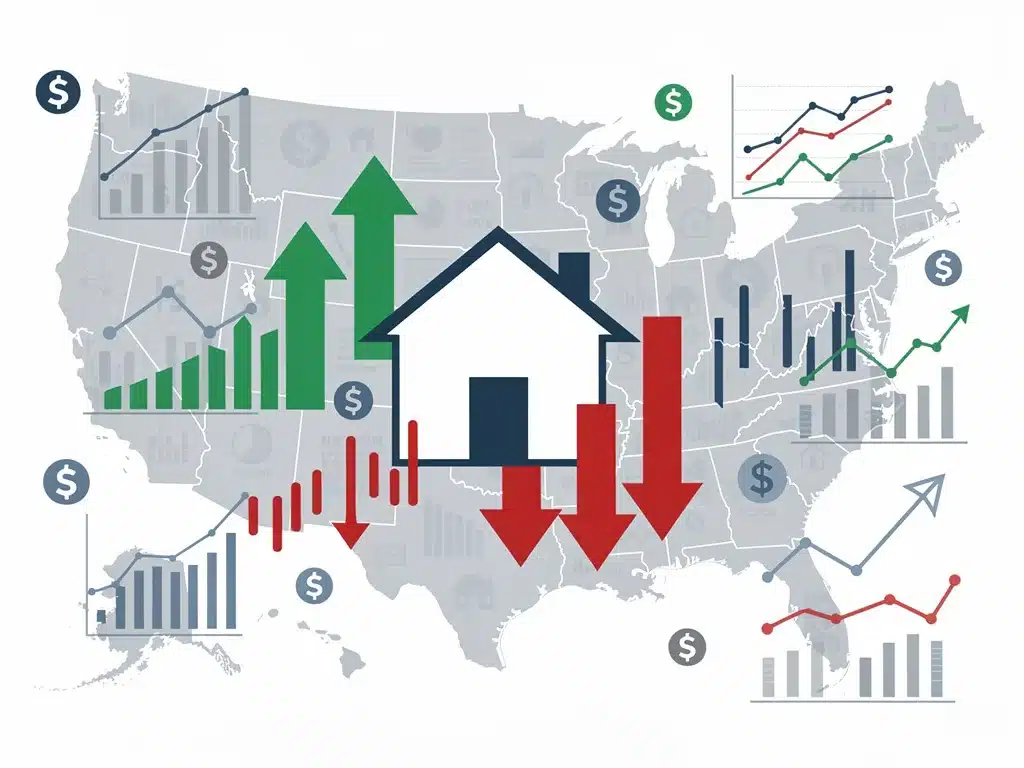
The 2026 housing market is anticipated to be shaped by a complex interplay of economic forces, including evolving interest rates, persistent inflationary pressures, and significant demographic shifts, all influencing both home prices and available inventory across the United States.
As we look ahead to the future of homeownership and real estate investment, understanding the 2026 housing market is crucial for prospective buyers, sellers, and industry professionals alike. The trajectory of housing prices and inventory will be determined by a confluence of economic factors, demographic shifts, and policy decisions that are already beginning to take shape. How will these forces sculpt the landscape of American homes?
Advertisements
The Macroeconomic Landscape: Interest Rates and Inflation
The macroeconomic environment serves as the bedrock upon which the housing market stands. In 2026, two of the most significant pillars influencing this foundation will undoubtedly be interest rates and inflation. Their movements, often intertwined, dictate borrowing costs, affordability, and the overall economic sentiment that drives real estate decisions.
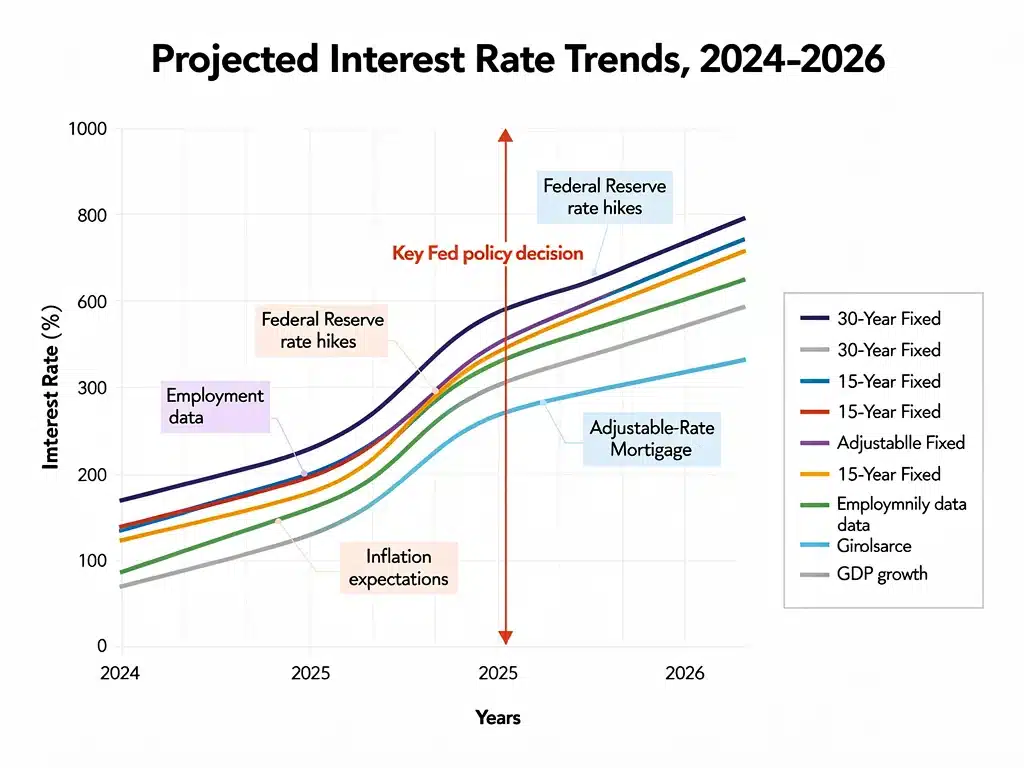
Interest rates, particularly mortgage rates, have a direct and immediate impact on a buyer’s purchasing power. Higher rates translate to more expensive monthly payments, effectively reducing the amount of home a buyer can afford. Conversely, lower rates can stimulate demand by making homeownership more accessible. Inflation, on the other hand, erodes the purchasing power of money and can influence the cost of construction materials and labor, thereby affecting housing supply and prices.
Federal Reserve’s Stance and Its Ripple Effects
The Federal Reserve’s monetary policy will remain a critical determinant of interest rate trends. Their decisions regarding the federal funds rate, primarily aimed at controlling inflation, send ripple effects throughout the economy, directly impacting mortgage rates. By 2026, the Fed’s approach to balancing economic growth with price stability will have a profound influence.
- Target Inflation: The Fed’s success in bringing inflation closer to its 2% target will allow for more predictable interest rate environments.
- Economic Resilience: The overall health and resilience of the U.S. economy will guide the Fed’s rate adjustments, potentially preventing drastic swings.
- Global Economic Factors: International economic stability and geopolitical events can also subtly influence domestic monetary policy and, by extension, interest rates.
Inflationary Pressures and Construction Costs
Beyond the direct impact on purchasing power, inflation significantly affects the housing supply side. Rising costs for raw materials like lumber, steel, and concrete, coupled with increasing labor wages, make new construction more expensive. These higher costs are then passed on to consumers in the form of higher home prices.
The persistence of inflation, even if moderating, could mean that construction costs remain elevated, limiting the profitability of new developments and potentially slowing the pace of new inventory coming onto the market. This scenario could exacerbate existing supply shortages, pushing prices further upward, especially in highly desirable areas. Understanding these dynamics is essential for forecasting the market’s direction.
In summary, the interplay between the Federal Reserve’s actions on interest rates and the broader inflationary environment will be paramount in shaping the affordability and supply dynamics of the 2026 housing market. These macroeconomic forces will continue to be closely monitored by all market participants seeking to make informed decisions.
Demographic Shifts: A New Generation of Homebuyers
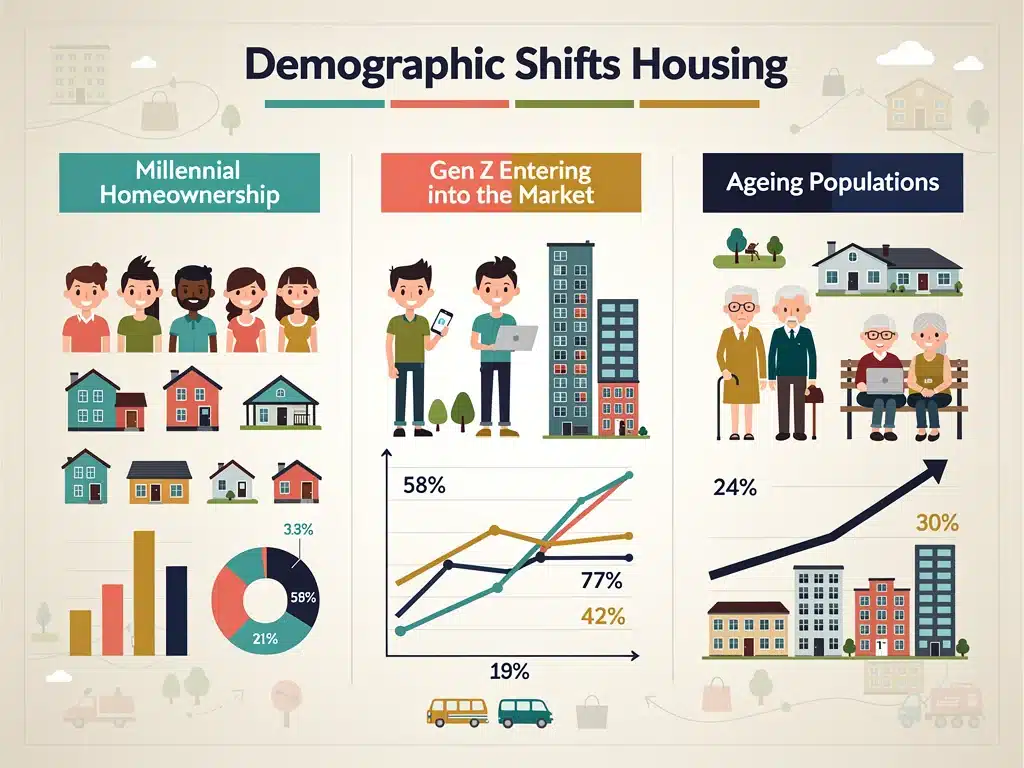
Beyond the realm of economics, significant demographic shifts are poised to reshape the 2026 housing market. The sheer size and evolving preferences of younger generations, particularly millennials and Gen Z, will exert considerable influence on demand, housing types, and geographical distribution of homeownership. These groups are not only entering their prime home-buying years but are also bringing distinct expectations to the table.
The aging population, primarily baby boomers, will also play a role, albeit a different one. Their decisions regarding downsizing, relocation, or aging in place will affect the availability of existing homes, particularly in established suburban and urban areas. Understanding these generational movements is key to predicting future market trends.
Millennials and Gen Z: Driving Demand
Millennials, now firmly established in their careers, are increasingly looking to purchase their first or second homes. Their sheer numbers mean they represent a massive wave of potential buyers. Gen Z, while younger, is also beginning to enter the market, often with different priorities than previous generations.
- First-Time Buyers: A significant portion of millennials will continue to drive demand for entry-level homes, especially as they form families.
- Urban vs. Suburban: While some millennials are drawn to urban centers, many are also seeking suburban homes that offer more space and better schools.
- Affordability Focus: Gen Z buyers are highly attuned to affordability and sustainability, often prioritizing value and energy efficiency.
Impact of Remote Work on Location Preferences
The lasting effects of remote and hybrid work models continue to influence where people choose to live. This flexibility has untethered many workers from traditional urban employment hubs, leading to a redistribution of housing demand. This trend is likely to persist into 2026, affecting both inventory and prices in unexpected regions.
Areas previously considered secondary markets are now experiencing heightened demand, while some traditionally competitive urban centers might see a slight moderation. This geographic dispersion creates new opportunities and challenges, influencing local inventory levels and driving up prices in previously overlooked communities. Developers are responding by exploring new locations and housing types to meet this evolving demand.
In conclusion, the demographic landscape of 2026 will be characterized by a strong influx of younger buyers with specific needs and a continued re-evaluation of location driven by evolving work models. These shifts will be pivotal in determining where and what types of homes are in highest demand, directly impacting both price and inventory levels across the nation.
Housing Inventory Challenges and Supply-Side Solutions
The persistent issue of low housing inventory has been a defining characteristic of the market for several years, and it is expected to remain a critical factor in the 2026 housing market. The imbalance between supply and demand has been a primary driver of price appreciation, and addressing this will require multifaceted solutions from both the public and private sectors. Without a substantial increase in available homes, prices are likely to continue their upward trajectory, albeit potentially at a slower pace.
Several factors contribute to this chronic undersupply, ranging from historical underbuilding to current economic disincentives for new construction. Understanding these challenges is the first step toward identifying potential solutions that could alleviate the pressure on buyers and foster a more balanced market.
Factors Contributing to Low Inventory
The roots of the current inventory shortage are deep and complex. A decade of underbuilding following the 2008 financial crisis, coupled with restrictive zoning laws and rising construction costs, has severely hampered the ability of the market to meet demand. Sellers also face disincentives to move, especially those locked into historically low mortgage rates.
- Underbuilding: A significant deficit of new homes built over the past decade has created a structural shortage.
- “Golden Handcuffs”: Many homeowners are reluctant to sell their current homes with low mortgage rates, as buying a new home would mean a higher rate.
- Zoning Regulations: Restrictive zoning in many desirable areas limits density and the construction of more affordable housing types.
Innovative Construction and Policy Initiatives
To overcome these inventory challenges, the industry is exploring innovative construction methods, and policymakers are examining ways to streamline regulations. Modular and prefabricated homes, once niche, are gaining traction as a faster and potentially more affordable way to build. Additionally, states and municipalities are re-evaluating zoning laws to allow for greater density and diverse housing options.
Federal initiatives aimed at incentivizing affordable housing development and providing grants for infrastructure improvements could also play a role in boosting supply. Collaborations between private developers and public entities are becoming more common, seeking to address housing needs at scale. These efforts, though slow to manifest, are crucial for long-term market stability. The success of these initiatives will be a key determinant of inventory levels in 2026 and beyond.
Ultimately, solving the inventory crisis in the 2026 housing market requires a concerted effort to increase the supply of homes through both innovative building practices and supportive policy changes. Without these interventions, the market will continue to struggle with affordability and accessibility for many potential homeowners.
Regional Market Variations and Local Dynamics
While national trends provide a broad overview, the 2026 housing market will ultimately be defined by its regional variations and unique local dynamics. The United States is not a monolithic housing market; rather, it is a collection of diverse local markets, each with its own set of economic drivers, demographic profiles, and regulatory environments. What holds true for a booming tech hub might be entirely different for a declining industrial town or a popular retirement destination.
Understanding these granular differences is essential for anyone looking to buy, sell, or invest in real estate in 2026. Local job growth, population migration patterns, and the availability of land for development will all contribute to distinct market conditions, affecting both prices and inventory at a community level.
Booming Metros vs. Struggling Regions
Certain metropolitan areas, particularly those with robust job growth in sectors like technology, healthcare, and renewable energy, are likely to continue experiencing strong demand and potentially higher price appreciation. These areas often attract significant in-migration, further fueling competition for limited housing stock.
Conversely, regions with stagnant economies or outward migration may see more subdued market activity, potentially leading to more balanced conditions or even slight price corrections. Factors such as local government policies, property tax rates, and the quality of local amenities will also play a significant role in determining the attractiveness and competitiveness of a particular housing market.
The Role of Local Regulations and Development
Local zoning laws, building codes, and permitting processes have an immense impact on the pace and type of new housing development. Communities with more flexible regulations and streamlined approval processes are better positioned to increase their housing supply, which can help to moderate price growth. In contrast, areas with stringent regulations often face greater supply constraints, leading to higher prices.
Furthermore, local investment in infrastructure, such as public transportation, schools, and parks, can significantly enhance an area’s desirability, attracting new residents and stimulating housing demand. These local specificities create a mosaic of market conditions that necessitate a nuanced approach to understanding the 2026 housing landscape.
In conclusion, while national economic forces set the stage, the actual performance of the 2026 housing market will be a sum of its diverse regional and local parts. A deep dive into specific communities and their unique characteristics will be crucial for accurate forecasting and successful real estate endeavors.
Affordability Crisis and Policy Responses
The ongoing affordability crisis remains a central concern for the 2026 housing market. Rising home prices, coupled with elevated interest rates and persistent inflation, have made homeownership increasingly out of reach for many Americans, particularly first-time buyers and those in lower-income brackets. This challenge is not merely an economic one; it has significant social implications, affecting wealth creation, community stability, and economic mobility.
Addressing the affordability gap will require a combination of federal, state, and local policy responses, ranging from direct assistance programs to broader structural reforms. Without meaningful interventions, the dream of homeownership may continue to recede for a substantial portion of the population.
Challenges for First-Time Buyers
First-time buyers face a particularly steep uphill battle. Accumulating a sufficient down payment is challenging with rising prices, and higher interest rates amplify monthly payment burdens. Student loan debt often further limits their ability to save and qualify for mortgages. These hurdles contribute to a delay in homeownership, impacting long-term financial planning.
- Down Payment Hurdles: High home prices necessitate larger down payments, which are difficult to save for.
- High Monthly Payments: Elevated interest rates translate to significantly higher monthly mortgage payments, straining budgets.
- Student Loan Debt: Existing student loan obligations often reduce borrowing capacity and delay homeownership.
Government and Community Initiatives
Various policy initiatives are being explored and implemented to address the affordability crisis. At the federal level, programs such as down payment assistance, expanded FHA loan options, and tax credits for first-time buyers could provide some relief. State and local governments are also stepping up with their own solutions.
These include property tax relief for low-income homeowners, incentives for developers to build affordable housing, and efforts to reduce regulatory barriers that drive up construction costs. Community land trusts and shared equity programs are also gaining traction as innovative models to keep housing affordable in perpetuity. The effectiveness and scalability of these programs will be critical in shaping the affordability landscape of 2026.
In conclusion, the affordability crisis in the 2026 housing market demands comprehensive and collaborative policy responses. Without sustained efforts to make homeownership more accessible, the market risks becoming increasingly stratified, with significant social and economic consequences for the nation.
The Role of Technology and Innovation in Housing
Technology and innovation are rapidly transforming various sectors, and the housing market is no exception. In the 2026 housing market, technological advancements will play an increasingly vital role in everything from how homes are built and sold to how they are managed and financed. These innovations have the potential to address some of the market’s most pressing challenges, including efficiency, affordability, and accessibility.
From advanced construction techniques to sophisticated data analytics and immersive virtual tours, technology is poised to streamline processes, reduce costs, and enhance the overall experience for buyers, sellers, and industry professionals. Embracing these changes will be crucial for staying competitive and responsive to evolving market demands.
PropTech and Streamlined Transactions
“PropTech” (Property Technology) encompasses a wide array of innovations designed to make real estate transactions more efficient and transparent. This includes everything from AI-powered property valuations to blockchain-enabled title transfers. By 2026, these technologies are expected to be more widely integrated into the standard home-buying and selling process.
Virtual reality (VR) and augmented reality (AR) tours will become even more sophisticated, allowing potential buyers to experience properties remotely with unprecedented realism. Digital closing platforms will further expedite transactions, reducing paperwork and administrative delays. These advancements not only save time but also enhance convenience, especially for buyers and sellers across different geographical locations.
Sustainable Building and Smart Homes
The demand for sustainable and energy-efficient homes is growing, driven by environmental consciousness and the desire for lower utility costs. Technology is at the forefront of meeting this demand, with innovations in green building materials, renewable energy systems (like solar panels), and advanced insulation techniques. Smart home technology, which allows for automated control of lighting, heating, security, and appliances, will also become more standard.
- Energy Efficiency: New construction will increasingly incorporate solar, geothermal, and advanced insulation for reduced energy consumption.
- Smart Home Integration: Homes will feature integrated smart systems for enhanced comfort, security, and energy management.
- Sustainable Materials: A shift towards recycled, locally sourced, and low-impact building materials will gain momentum.
These technological shifts not only contribute to environmental sustainability but also add significant long-term value to properties, making them more attractive to a new generation of buyers. The integration of technology will redefine what constitutes a modern home in the 2026 housing market.
In conclusion, technology and innovation will act as powerful catalysts in the 2026 housing market, enhancing efficiency, fostering sustainability, and potentially offering new solutions to affordability challenges. Embracing these advancements will be key for all stakeholders navigating the future of real estate.
Investment Outlook and Market Stability
For investors, homeowners, and policymakers alike, the investment outlook and overall market stability of the 2026 housing market are paramount. The confluence of economic forces, demographic shifts, and policy responses will determine the risk and reward profile of real estate as an asset class. While predicting the future with absolute certainty is impossible, analyzing current trends and potential trajectories can offer valuable insights into what lies ahead.
A stable housing market is crucial for broader economic health, impacting consumer confidence, wealth accumulation, and the financial system. Understanding the factors that contribute to or detract from this stability is essential for both individual financial planning and national economic policy.
Potential for Price Appreciation and Volatility
The potential for continued price appreciation in 2026 will depend heavily on the balance between supply and demand. If inventory remains constrained and demand from demographic shifts persists, prices are likely to continue rising, albeit potentially at a more moderate pace than in recent years. However, factors such as sustained high interest rates or an economic downturn could introduce greater price volatility.
Regional disparities will also play a significant role, with some markets experiencing robust growth while others might see flatter appreciation or even minor corrections. Investors will need to conduct thorough due diligence, focusing on local economic indicators, job growth, and population trends to identify promising opportunities and mitigate risks.
Long-Term Stability and Risk Factors
The long-term stability of the housing market hinges on several key factors. A healthy job market, responsible lending practices, and effective housing policies that encourage supply are all critical. Over-reliance on speculative investment or unsustainable debt levels could introduce fragility, as seen in past market cycles. Policymakers will be challenged to create an environment that supports sustainable growth without fueling speculative bubbles.
- Economic Growth: Sustained job creation and economic expansion are foundational for market stability.
- Lending Standards: Prudent mortgage lending practices are crucial to prevent excessive risk-taking.
- Housing Policy: Policies that incentivize new construction and address affordability are vital for long-term balance.
Furthermore, external shocks, such as global economic crises or significant geopolitical events, could always introduce unforeseen risks. Diversification and a long-term perspective will be key for investors navigating the 2026 housing market, focusing on fundamental value rather than short-term gains.
In conclusion, the investment outlook for the 2026 housing market presents a complex picture of potential appreciation tempered by various risk factors. Prudent analysis, a focus on long-term stability, and an understanding of both national and local dynamics will be essential for making informed investment decisions.
| Key Aspect | Brief Description |
|---|---|
| Interest Rates | Federal Reserve policy and inflation will dictate mortgage rates, significantly impacting affordability. |
| Housing Inventory | Persistent undersupply due to underbuilding and disincentives for selling will keep pressure on prices. |
| Demographic Shifts | Millennials and Gen Z entering prime buying years will drive demand, influencing market dynamics. |
| Affordability Challenges | High prices, rates, and inflation continue to challenge first-time buyers, prompting policy responses. |
Frequently Asked Questions About the 2026 Housing Market
While continued price appreciation is expected due to demand and limited inventory, the pace of growth may moderate compared to previous years. Regional variations will be significant, with some areas seeing stronger gains than others.
Interest rates will remain a key factor influencing affordability. If rates stabilize or slightly decrease, it could improve purchasing power. However, sustained high rates will continue to challenge buyers’ budgets and mortgage qualifications.
New construction is crucial for alleviating inventory shortages. While efforts to increase building are underway, factors like labor costs and regulations will determine the extent to which new housing can meet demand by 2026.
Absolutely. Millennials and Gen Z entering their prime home-buying years will be a significant driver of demand. Their preferences for location, home type, and affordability will heavily shape market trends.
The primary challenges include high home prices, elevated interest rates, and the difficulty for first-time buyers to save for down payments. Policy interventions and increased supply are essential to address these issues effectively.
Conclusion
The 2026 housing market is poised to be a dynamic and complex landscape, shaped by a powerful combination of economic forces, evolving demographics, and ongoing policy interventions. Interest rates and inflation will continue to dictate affordability, while the persistent challenge of low inventory will keep supply-side solutions at the forefront. The strong demand from younger generations, coupled with the lasting impact of remote work, will redefine where and how people choose to live. Navigating this environment will require a nuanced understanding of both national trends and localized market dynamics. For homeowners, prospective buyers, and investors, staying informed and adapting to these shifts will be key to making strategic decisions in the evolving real estate market.