Music Education Funding in the US: 2026 Government Initiatives & Grants

Advertisements
The 2026 outlook for music education funding in the US reveals a complex yet evolving landscape, characterized by targeted government initiatives and an increasing emphasis on accessible grants designed to bolster arts programs in schools and communities nationwide.
Understanding the current state of music education funding in the US is crucial for educators, administrators, and advocates alike. As we navigate 2026, the landscape of government initiatives and grants continues to evolve, presenting both challenges and opportunities for supporting vibrant music programs across the nation.
Advertisements
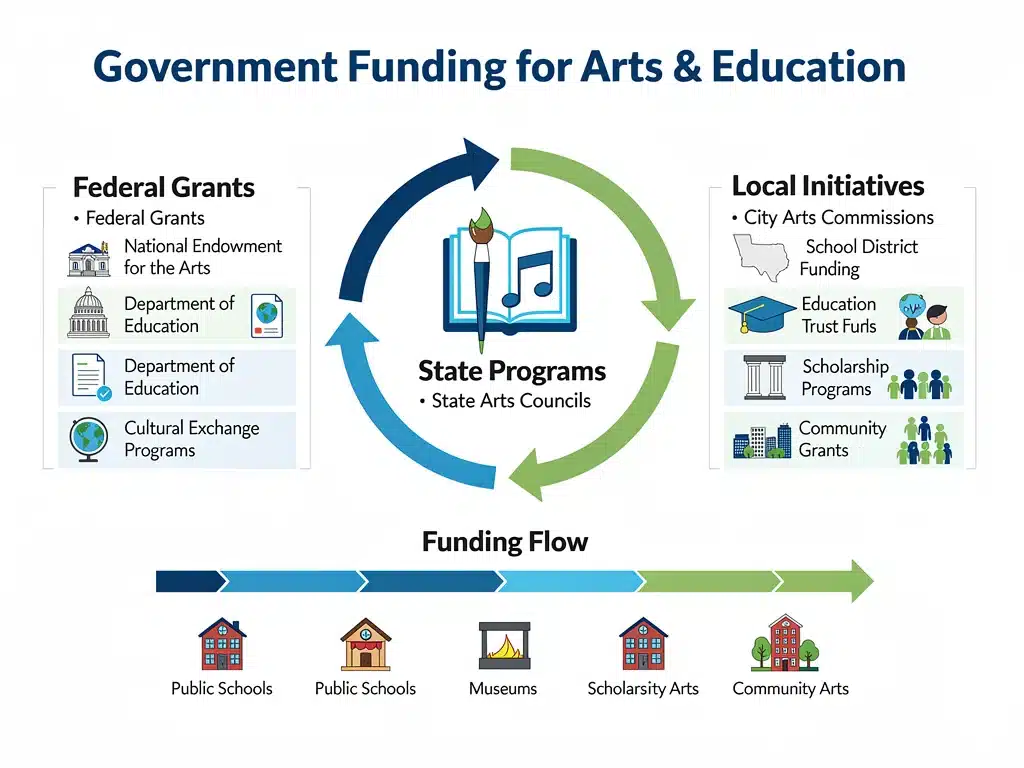
The Shifting Landscape of Federal Music Education Support
Federal support for music education in the United States remains a critical component of its overall health and accessibility. In 2026, this support is characterized by a blend of established programs and new directives aimed at enhancing arts integration within core curricula and ensuring equitable access for all students, regardless of their socioeconomic background.
While direct federal funding specifically earmarked solely for music education can be competitive, many broader educational and arts grants include provisions that allow for music program development and expansion. These initiatives often encourage holistic approaches to education, recognizing the intrinsic value of music in cognitive development, social-emotional learning, and cultural understanding.
Key Federal Initiatives for Arts Integration
Several federal initiatives continue to play a pivotal role in shaping the availability of resources for music education. These programs often provide funding through state education agencies or directly to local school districts and non-profit organizations.
- Every Student Succeeds Act (ESSA): ESSA continues to define arts, including music, as a core academic subject, opening doors for states and districts to use federal funds for music programs. This flexibility allows for targeted investments in curriculum development, teacher professional development, and instrument acquisition.
- National Endowment for the Arts (NEA): The NEA remains a cornerstone of arts funding, offering grants to organizations that provide arts education, including music. Their focus often includes projects that reach underserved communities, foster artistic excellence, and promote lifelong learning in the arts.
- Department of Education Grants: Various competitive grants from the Department of Education, such as those under the Assistance for Arts Education (AAE) program, provide funding for projects that strengthen arts education programs. These grants typically support innovative approaches, research, and partnerships that enhance student achievement in the arts.
The federal government’s commitment to arts education, particularly music, is often intertwined with broader educational goals. By framing music as an essential element of a well-rounded education, policymakers aim to ensure that these programs are not seen as electives but as fundamental components of student success. This strategic positioning helps secure sustained funding and integration into school systems nationwide.
State-Level Funding and Policy Directions in 2026
Beyond federal initiatives, state governments play an equally, if not more, influential role in shaping the financial health of music education programs. In 2026, many states are adopting a multi-faceted approach, combining direct appropriations with policy mandates that encourage local districts to prioritize arts education. This often involves a delicate balance between statewide standards and local autonomy in resource allocation.
State education departments frequently offer grants and resources that complement federal programs, often with a focus on specific state educational priorities. These might include initiatives to address teacher shortages in music, expand access to music technology, or support culturally responsive music pedagogies. The effectiveness of state funding often hinges on strong advocacy from arts education organizations and clear data demonstrating music’s positive impact on student outcomes.
Innovative State Programs and Grants
Several states are pioneering new models for funding music education, which serve as examples for others. These innovative programs often involve partnerships between state agencies, local communities, and private foundations.
- Dedicated Arts Education Funds: Some states have established dedicated funds specifically for arts education, often supported by lottery revenues or specialized taxes. These funds provide a consistent and predictable source of income for school music programs, allowing for long-term planning and investment.
- Teacher Training and Development Grants: Recognizing the importance of highly qualified music educators, many states offer grants to support professional development, certification programs, and recruitment initiatives. These grants aim to ensure that every student has access to excellent music instruction.
- Instrument and Equipment Grants: The cost of instruments and specialized equipment can be a significant barrier for many schools. State grants often help alleviate this burden, providing funds for purchasing new instruments, repairing existing ones, and acquiring technology for music production and composition.
State-level policies and funding mechanisms are crucial for translating federal mandates into actionable programs at the local level. These policies can either empower or restrict music education, making ongoing advocacy and engagement with state legislatures and education boards essential for securing stable and sufficient funding. The political will within each state significantly influences the priority given to music within the educational budget.
Navigating Local District Budgets and Community Support
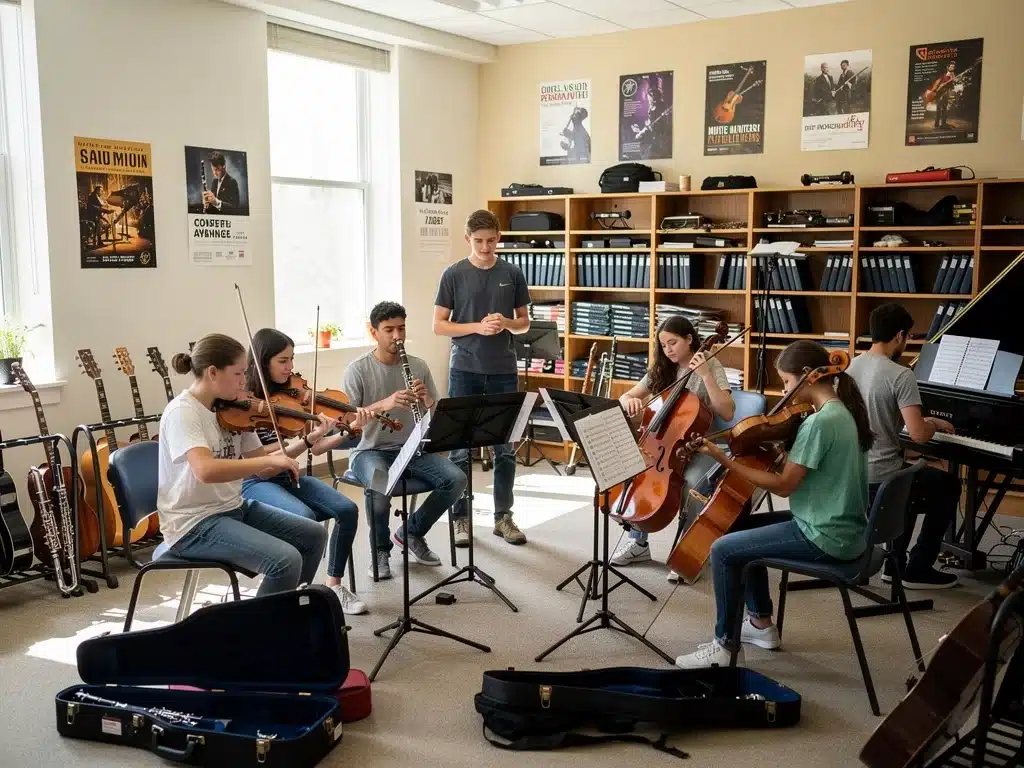
At the most granular level, the financial viability of music education programs often rests on local school district budgets and the strength of community support. In 2026, districts face ongoing pressure to balance various educational priorities, making it imperative for music programs to demonstrate their value and secure their place within the overall budget. This requires a proactive approach, engaging stakeholders and showcasing the tangible benefits of music education.
Community support, from parent-teacher associations to local arts organizations and individual donors, can bridge funding gaps and provide resources that district budgets may not cover. This grassroots involvement is often the lifeblood of music programs, fostering a sense of shared ownership and ensuring that music remains a cherished part of the school experience. Developing strong partnerships between schools and community groups is key to unlocking these vital resources.
Strategies for Local Funding and Advocacy
Securing funding at the local level requires strategic planning and consistent advocacy. Music educators and program administrators must be adept at articulating the value of their programs to various audiences.
- Budget Advocacy: Actively participate in district budget planning processes, presenting clear data on student participation, academic improvements linked to music, and the overall positive impact of music programs on school culture.
- Parent and Community Engagement: Build strong relationships with parents and community members. Organize regular performances, open houses, and volunteer opportunities to showcase student talent and the importance of music education.
- Local Business Partnerships: Seek sponsorships and donations from local businesses. Many businesses are eager to support community initiatives, especially those that benefit children and enhance the quality of local education.
Local funding decisions are highly responsive to community priorities and the perceived value of specific programs. Therefore, building a strong case for music education through data, testimonials, and visible community engagement is paramount. Strong local support can often compensate for fluctuations in state or federal funding, providing a stable foundation for music programs.
Private Foundations and Philanthropic Contributions
Beyond government sources, private foundations and individual philanthropists continue to be significant funders of music education in the US. In 2026, many foundations are increasingly focused on initiatives that address educational equity, access, and innovation, making music education programs that align with these goals particularly attractive. These funders often seek to invest in programs that demonstrate measurable impact and sustainable models.
Securing grants from private foundations requires thorough research, careful proposal writing, and a clear understanding of the foundation’s mission and funding priorities. Successful applications often highlight the unique aspects of a music program, its community impact, and its potential for replication or scaling. Building relationships with program officers and demonstrating a track record of success can also significantly enhance a program’s chances of receiving support.
Targeting Philanthropic Opportunities
Identifying and applying for private grants can be a complex process, but a strategic approach can yield substantial rewards for music programs.
- Research Foundation Priorities: Thoroughly investigate foundations whose missions align with music education or broader arts and youth development. Look for foundations that explicitly state an interest in supporting K-12 education, arts programs, or underserved communities.
- Develop Strong Proposals: Craft compelling grant proposals that clearly articulate the program’s goals, activities, budget, and anticipated outcomes. Emphasize the unique value proposition of the music program and how it addresses community needs.
- Demonstrate Impact: Provide data and anecdotal evidence of the music program’s success. Showcase student achievements, community engagement, and the positive academic and social-emotional benefits students derive from participating.
Private funding sources offer flexibility and often support innovative approaches that government grants might not cover. They are particularly valuable for pilot programs, specialized equipment, and initiatives that address specific community needs. Cultivating strong relationships with philanthropic organizations is a long-term strategy that can provide consistent support for music education.
The Role of Advocacy and Data in Securing Funding
In the competitive landscape of educational funding, effective advocacy and compelling data are indispensable tools for securing and sustaining music education programs. In 2026, advocates must continually articulate the multifaceted benefits of music education, not just as an enrichment activity but as a fundamental component of a comprehensive education that prepares students for success in a rapidly changing world. This involves engaging with policymakers, community leaders, and the public.
Data-driven advocacy involves collecting and presenting evidence that demonstrates the positive correlation between music education and academic achievement, social-emotional development, and overall student well-being. This evidence can sway public opinion, inform policy decisions, and justify budget allocations. Without concrete data, music programs risk being seen as expendable in times of fiscal constraint.
Building a Strong Case for Music Education
Effective advocacy involves multiple strategies, from direct lobbying to public awareness campaigns, all underpinned by robust evidence.
- Gathering Impact Data: Systematically collect data on student participation, academic performance (e.g., test scores, graduation rates), attendance, and behavioral improvements among students enrolled in music programs.
- Sharing Success Stories: Document and share personal narratives and testimonials from students, parents, and teachers about the transformative power of music education. These stories resonate emotionally and humanize the data.
- Engaging with Policymakers: Regularly meet with local, state, and federal elected officials to educate them about the importance of music education and its impact on their constituents. Invite them to school concerts and events to witness the programs firsthand.
Advocacy is not a one-time event but an ongoing process. By consistently communicating the value of music education through compelling narratives and irrefutable data, proponents can ensure that these programs remain a priority in funding discussions and policy decisions. This proactive engagement is essential for safeguarding the future of music education.
Future Trends and Sustainability in Music Education Funding
Looking ahead to 2026 and beyond, several key trends are emerging that will likely shape the future of music education funding in the US. There is a growing emphasis on sustainability, equitable access, and the integration of technology into music instruction. Programs that can adapt to these trends and demonstrate their long-term viability will be best positioned to attract consistent funding.
One significant trend is the focus on interdisciplinary approaches, where music is integrated with STEM (Science, Technology, Engineering, and Math) fields, often referred to as STEAM. This approach can open new funding avenues and appeal to a broader range of grantmakers interested in innovative educational models. Additionally, there’s an increasing recognition of the need to support music education in rural and underserved urban areas, leading to more targeted funding opportunities.
Embracing Innovation for Long-Term Viability
To ensure long-term sustainability, music education programs must be forward-thinking and willing to innovate in their delivery and funding strategies.
- Technology Integration: Incorporate digital music production, online learning platforms, and virtual performance opportunities. This can make programs more engaging, accessible, and attractive to funders interested in modern educational approaches.
- Community Partnerships: Forge deeper connections with local arts organizations, universities, and businesses to create a network of support that extends beyond traditional school funding. This can lead to shared resources, expertise, and collaborative grant applications.
- Diverse Funding Streams: Avoid relying on a single source of funding. Develop a diversified strategy that includes a mix of federal, state, local, private, and philanthropic contributions to create a more resilient financial base.
The future of music education funding will reward programs that are adaptable, innovative, and deeply connected to their communities. By proactively addressing emerging trends and demonstrating a commitment to long-term impact, music programs can build a sustainable financial model that ensures music remains a vibrant and accessible part of every student’s education for years to come. This strategic foresight is critical for navigating the evolving funding landscape.
| Key Funding Source | Brief Description |
|---|---|
| Federal Initiatives | Programs like ESSA and NEA grants support arts integration and equitable access in schools. |
| State-Level Programs | Dedicated arts funds and grants for teacher training and instrument acquisition. |
| Local District & Community | Budget advocacy, parent engagement, and local business partnerships are crucial. |
| Private Philanthropy | Foundations and individual donors supporting innovative and impactful music programs. |
Frequently Asked Questions About Music Education Funding
Primary sources include federal programs like ESSA and NEA grants, state-level appropriations and dedicated arts funds, local school district budgets, and significant contributions from private foundations and individual philanthropists. Diversifying funding streams is key for sustainability.
The Every Student Succeeds Act (ESSA) designates music as a core academic subject, enabling states and local districts to utilize federal funds for music programs. This flexibility supports curriculum development, teacher training, and essential resources like instruments and technology.
State governments provide direct appropriations, dedicated arts education funds, and grants for teacher professional development and instrument acquisition. Their policies often complement federal initiatives, addressing specific state educational priorities and promoting equitable access.
Local communities can support music education through parent-teacher organizations, local arts groups, and business partnerships. Engagement includes volunteerism, fundraising, and advocating for music programs within school district budget processes, bridging potential funding gaps.
Future trends include a focus on interdisciplinary approaches (STEAM), increased technology integration, and targeted funding for underserved areas. Sustainable programs will diversify funding streams and demonstrate measurable impact, adapting to evolving educational landscapes.
Conclusion
The landscape of music education funding in the US for 2026 is dynamic and multifaceted, requiring a strategic and proactive approach from all stakeholders. From federal mandates to local community initiatives and philanthropic contributions, a diverse array of resources exists to support and enhance music programs. The key to securing stable and sufficient funding lies in effective advocacy, data-driven demonstrations of impact, and a willingness to embrace innovative approaches. By fostering strong partnerships, articulating the profound value of music education, and adapting to emerging trends, we can collectively ensure that every student has the opportunity to experience the transformative power of music, enriching their lives and contributing to a more vibrant society.