Vintage Bridal Wear: 5 Timeless Gowns for Your 2026 Wedding
Advertisements
Vintage bridal gowns are a notable part of the 2026 wedding-fashion conversation, appealing to brides interested in distinctive silhouettes, archival references and garments with an individual history. This guide explores three recognizable bridal aesthetics from the 1930s, 1950s and 1970s, along with practical advice on sourcing, alterations and preservation.
Vintage Bridal Gowns 2026 are attracting attention as more brides look beyond conventional salon collections and explore archival, pre-owned and vintage-inspired pieces. The appeal often comes from distinctive construction, unusual fabrics and silhouettes that differ from current mass-market bridal styles.
Recent bridal coverage also points to renewed interest in historical references, archival fashion and gowns that feel more personal. However, buying vintage does not automatically make a wedding environmentally sustainable; condition, restoration, transportation, cleaning and future use all affect the broader impact.
Advertisements
This guide focuses on three especially recognizable periods: the fluid glamour of the 1930s, the structured romance of the 1950s and the softer bohemian styling associated with the 1970s. It also explains what to inspect before purchasing an older garment.
The Allure of Vintage Bridal Gowns for 2026 Weddings
The interest in Vintage Bridal Gowns 2026 fits a broader bridal preference for individuality and archival references. Brides may choose an original vintage garment, an heirloom dress or a modern design influenced by historical silhouettes rather than relying on one standard bridal look.
Vintage gowns can offer construction details, fabrics and proportions that are difficult to reproduce exactly in contemporary ready-to-wear. At the same time, age can introduce fragility, discoloration, alterations and sizing limitations that make careful inspection especially important.
For a 2026 wedding, the strongest reason to choose vintage is personal style rather than the assumption that older automatically means better. A successful choice balances the visual appeal of the era with fit, fabric condition, comfort and the practical demands of the celebration.
Defining Vintage: Eras and Aesthetics
“Vintage” covers many decades rather than one consistent aesthetic. Bridal fashion changed substantially between the 1930s and 1970s, responding to changing textiles, social conditions, couture influences and broader developments in women’s fashion.
The 1930s are strongly associated with fluid bias-cut evening and bridal silhouettes, while the 1950s are remembered for fitted waists and fuller skirts. By the 1970s, many bridal designs adopted softer lines, lace, long sleeves and romantic or folk-inspired details.
These decade-based descriptions are useful references rather than strict rules. Authentic gowns can vary substantially within the same period, and dresses were frequently altered, reused or handmade, so construction and provenance should be assessed individually.
- 1930s: Fluid bias cuts, satin or silk-like fabrics and elongated silhouettes.
- 1940s: Often more restrained construction influenced by wartime material limitations.
- 1950s: Defined waists, fuller skirts, lace and structured romantic silhouettes.
- 1960s: A-line shapes, cleaner lines and, later in the decade, shorter hemlines and mod influences.
- 1970s: Flowing lines, lace, bishop or bell sleeves and romantic bohemian references.
1930s: Understated Glamour for the 2026 Bride
Bridal fashion of the 1930s is closely associated with the long, fluid silhouettes also seen in Hollywood eveningwear of the period. Bias cutting allowed fabric to follow the body’s shape while maintaining movement and softness rather than relying on heavy internal structure.
Silk satin, rayon satin and similar flowing materials frequently contributed to the elegant appearance associated with the decade. Necklines varied, and surviving examples may include gathered, draped, high, V-shaped or softly structured treatments rather than one universal design formula.
For a modern wedding, a 1930s-inspired or authentic vintage gown can suit brides looking for a streamlined alternative to a full skirt. Original pieces require careful evaluation because lightweight fabrics from the period may have weakened over many decades.
Key Features of 1930s Bridal Fashion
The bias cut is one of the most recognizable construction techniques associated with 1930s fashion. Cutting fabric diagonally across the grain gives woven material greater flexibility, helping dresses fall smoothly and creating the elongated lines characteristic of many gowns from the decade.
Long skirts, subtle trains and relatively restrained decoration commonly appear in surviving examples, although gowns ranged from very simple to highly detailed. Lace panels, covered buttons, gathers and decorative sleeves could add visual interest without overwhelming the silhouette.
Anyone considering an authentic gown should inspect stress points around shoulders, seams, closures and the lower skirt. Satin and delicate fabrics can develop hidden weakness, so professional assessment before extensive alteration can prevent irreversible damage.
1950s: The Iconic Silhouette for Your 2026 Nuptials
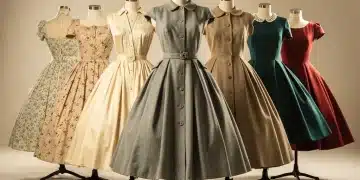
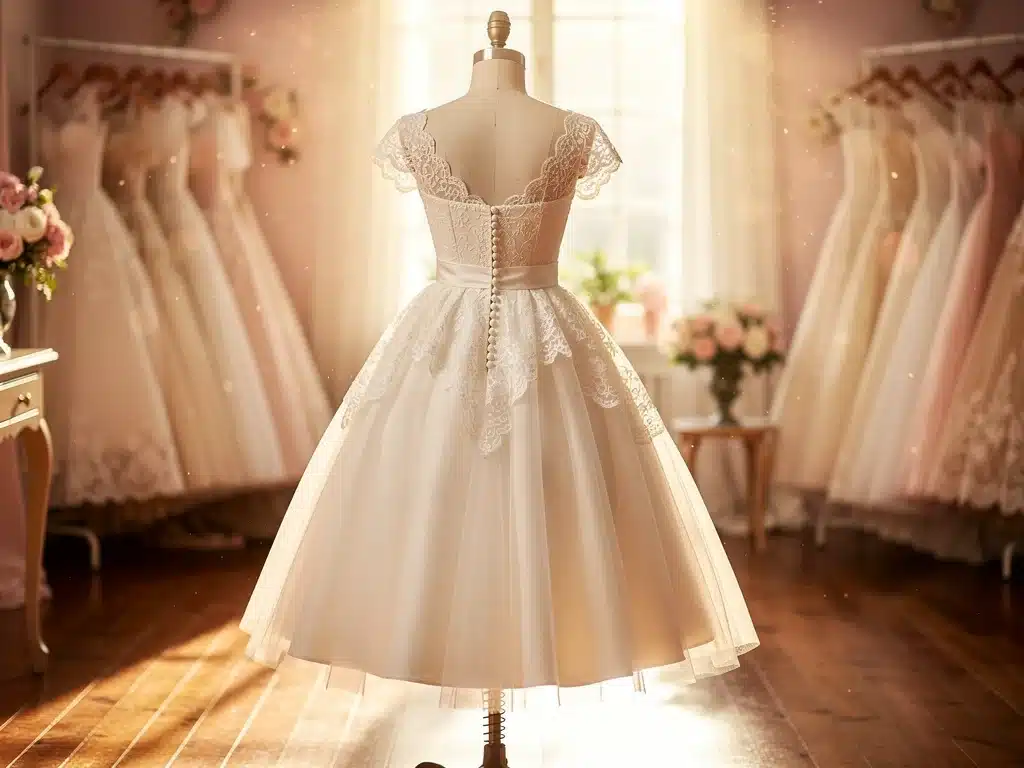
The 1950s produced some of the most recognizable bridal silhouettes of the twentieth century, particularly dresses with fitted bodices and dramatically fuller skirts. Post-war fashion placed renewed emphasis on shaped waists, volume and decorative femininity.
Wedding gowns from the period can feature satin, lace, tulle and other structured materials, sometimes supported by petticoats or crinolines. Necklines and sleeves varied considerably, from modest long-sleeved designs to strapless and short-sleeved styles.
A 1950s gown can work well for a bride seeking a formal or romantic appearance in 2026, but original garments often have much smaller waist and torso proportions than contemporary sizing suggests. Measurements are therefore more useful than relying on the label size.
Embracing Post-War Romance and Femininity
Full skirts became an important fashion statement during the post-war period, influenced partly by the wider popularity of highly shaped silhouettes in late-1940s and 1950s fashion. Bridal gowns translated that volume into ceremonial designs using layered fabric and fitted bodices.
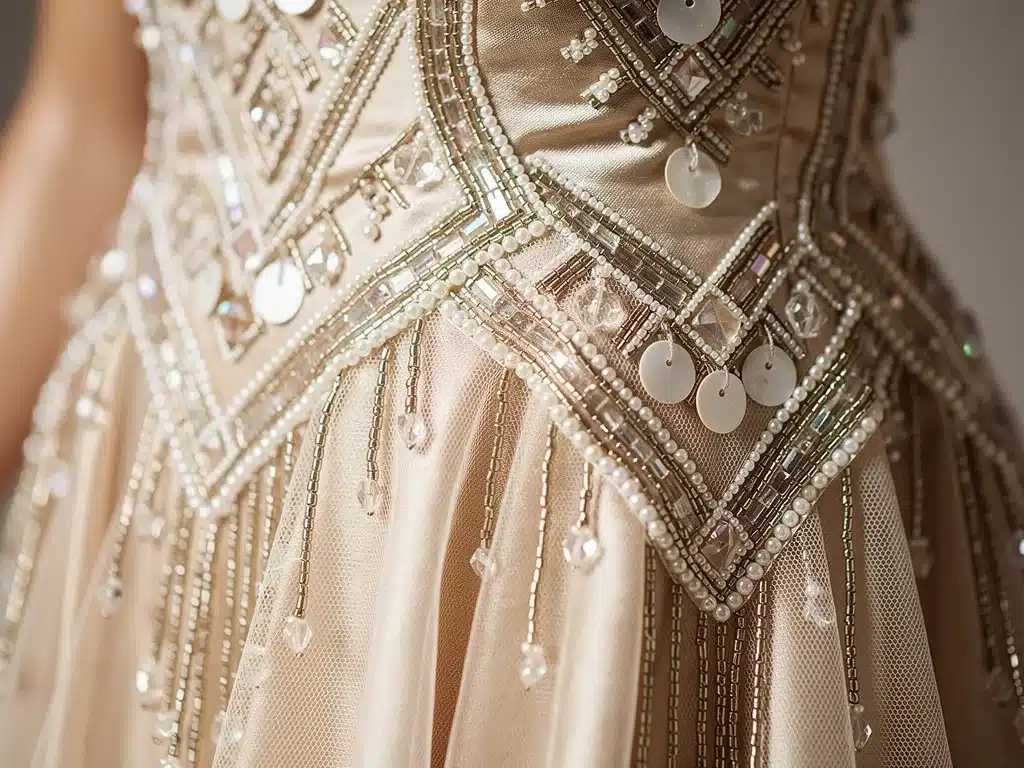
Lace overlays, covered buttons, embroidery, bows and beadwork can all appear on gowns from the decade, but decoration differed according to price, designer and personal taste. Not every authentic 1950s wedding dress was elaborate or heavily embellished.
Modern styling can preserve the silhouette without recreating every period accessory. A bride might combine an original full-skirted gown with restrained jewelry, contemporary shoes or a simpler veil, allowing the dress itself to remain the visual focus.
1970s: Bohemian Style for a Free-Spirited 2026 Wedding
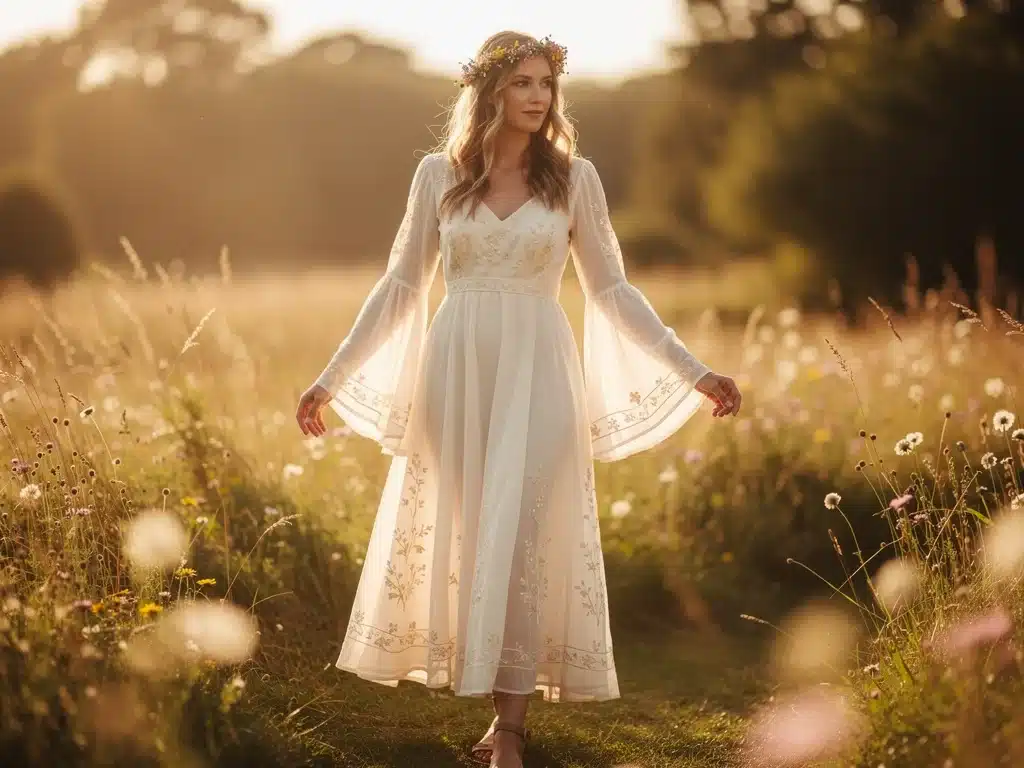
The 1970s introduced a broad range of bridal styles, including romantic gowns associated today with bohemian and folk-inspired fashion. Softer silhouettes, lace and long sleeves appear frequently among surviving pieces, although structured and more traditional gowns remained available as well.
Empire lines, A-line skirts, bishop sleeves, bell sleeves and lightweight fabrics can give dresses from the period a relaxed appearance. Crochet-like lace, floral motifs and high necklines are also familiar references, particularly in designs influenced by romantic revival styles.
For a 2026 celebration, a 1970s gown can complement outdoor, garden or less formal settings, but there is no requirement to pair the dress with a bohemian wedding theme. Contemporary styling can make the garment feel deliberately modern.
The Appeal of Natural and Ethereal Designs
Many 1970s bridal designs use movement and texture instead of rigid structure to create visual impact. Lace sleeves, flowing skirts and lightweight layers can produce a softer silhouette that contrasts strongly with the fitted, full-skirted forms associated with the 1950s.
The decade also drew from historical and folk references, meaning some gowns combine Victorian-inspired necklines, medieval-looking sleeves or romantic lace with distinctly 1970s proportions. That mixture makes precise dating based on silhouette alone difficult.
When styling an original gown, brides can choose understated hair, modern earrings or simple footwear rather than reproducing every period detail. The goal can be to preserve the character of the dress without turning the overall appearance into a costume.
Sourcing and Preserving Your Vintage Bridal Gown
Finding a vintage bridal gown usually requires more flexibility than buying a new dress because size, condition and availability are limited to what has survived. Specialized vintage boutiques, estate dealers, resale platforms and family wardrobes can all be possible sources.
Before purchasing, request exact garment measurements and detailed images of seams, closures, lining, underarms, hem and embellishments. A dress that appears excellent in photographs may still have fabric weakness, staining or previous alterations that affect whether it can be worn safely.
Cleaning and storage should be chosen according to fiber and construction rather than handled with a universal method. Older silk, rayon, lace and embellishments can react differently to moisture and chemicals, making textile or vintage-garment expertise valuable for fragile pieces.
Tips for Authenticity and Condition Checks
Labels can provide useful evidence about manufacturer or period, but their absence does not automatically mean a gown is not vintage. Many wedding dresses were custom made, handmade or altered substantially after their original construction.
Construction techniques, closures, seams, fabric, labels and documented provenance can all contribute to dating a garment. Claims that every vintage gown has superior craftsmanship to modern clothing should be avoided because quality varied widely within every era.
Condition is usually more important than perfect provenance for a gown intended to be worn. Significant fabric weakness, brittle lace or severe discoloration can make restoration expensive or impractical even when the garment is historically interesting.
Styling Your Vintage Gown for a Modern 2026 Wedding
Styling a vintage gown for a 2026 wedding works best when the accessories support the dress instead of competing with it. Modern jewelry, shoes or veils can create contrast while preserving the silhouette and craftsmanship of the original garment.
A fluid 1930s dress may pair naturally with minimalist accessories, while a 1950s full skirt can support either traditional or contemporary styling. A 1970s lace gown can similarly be styled with polished modern details rather than exclusively floral or bohemian accessories.
Comfort should influence styling decisions as much as historical accuracy. Shoes, undergarments and hair accessories need to work throughout the ceremony and reception, particularly when an older gown cannot tolerate repeated pulling or heavy attachments.
Accessorizing with Period-Appropriate Flair
Period references can be introduced selectively through jewelry, veils or hair styling. Art Deco-inspired accessories can complement a 1930s silhouette, while shorter veils or classic jewelry may work naturally with many mid-century dresses.
For a 1970s gown, softer hair, botanical accessories or understated jewelry can reinforce the romantic character of the dress. However, accessories do not need to come from the same decade to create a coherent bridal look.
The most effective combination is usually the one that reflects the bride’s personal style while respecting the scale and condition of the garment. Delicate vintage fabrics may also require lighter accessories than a newly manufactured gown could support.
Customization and Alterations for Vintage Perfection
Alterations can make a vintage gown wearable, but extensive reconstruction may damage fabric or eliminate details that originally made the piece appealing. Starting with a garment reasonably close to the required measurements usually provides greater flexibility.
Older seam allowances may offer limited room for enlargement, and decades-old fabric can behave differently when stitching is removed. Significant changes to shoulders, bodices or heavily embellished areas should therefore be evaluated before purchase rather than assumed to be possible.
A specialist can also suggest reversible or less invasive approaches, such as adjusting closures, adding support through a separate underlayer or modifying accessories instead of cutting original material. This can help retain more of the gown’s construction.
Finding the Right Seamstress for Vintage Fabrics
A professional experienced with vintage garments should understand fragile silk, lace, rayon, beadwork and historical construction. Reviewing examples of previous restoration or bridal alteration work can provide more useful evidence than relying solely on general tailoring experience.
During the first consultation, discuss stains, weakened areas, fit limitations and the intended wedding environment. An outdoor celebration, extensive dancing or heavy accessories may create different demands on an older dress than a short indoor ceremony.
Alterations should begin with enough time for assessment and several fittings, particularly when reinforcement or restoration is required. If the fabric is too compromised for major changes, preserving the original garment and choosing a vintage-inspired alternative may be safer.
For additional visual references, curated collections of Vintage Bridal imagery can help identify silhouettes and styling ideas, although photographs alone should not be used to authenticate or accurately date an individual garment.
The Enduring Appeal of Timeless Bridal Fashion
The renewed visibility of Vintage Bridal Gowns 2026 reflects a genuine interest in archival and historically influenced bridal fashion. Current industry coverage shows brides seeking distinctive garments and older references as alternatives to more standardized contemporary looks.
Rewearing an existing gown can extend the useful life of clothing and reduce demand for a newly manufactured dress, but sustainability should be described carefully. Cleaning, alterations, transportation, packaging and eventual reuse all influence the environmental impact of an individual choice.
Ultimately, vintage bridal fashion works because it offers aesthetic variety rather than because one decade is inherently superior. A carefully selected and structurally sound gown can connect historical design with a modern wedding while still reflecting the personality of the person wearing it.
| Key Era | Defining Style |
|---|---|
| 1930s | Fluid bias cuts, elongated silhouettes and understated glamour. |
| 1950s | Defined waists, full skirts and structured romantic styling. |
| 1970s | Flowing silhouettes, romantic lace and bohemian or folk-inspired details. |
| Sourcing | Check measurements, provenance, alterations and fabric condition before purchasing. |
Frequently Asked Questions About Vintage Bridal Gowns for 2026 Weddings
Perspectives for Your 2026 Wedding
The continuing interest in Vintage Bridal Gowns 2026 fits the wider move toward archival references and highly personalized bridal wardrobes. Vintage and vintage-inspired styles are appearing alongside contemporary gowns rather than replacing them entirely.
For brides considering an original historical garment, the most important practical questions are condition, fit and whether alterations can be made safely. A visually perfect dress that cannot withstand tailoring or movement may be less suitable than a newer vintage-inspired alternative.
The best vintage bridal choice is ultimately one that combines personal style with realistic care requirements. Whether the reference comes from the fluid 1930s, romantic 1950s or softer 1970s, historical fashion can provide a distinctive foundation for a thoroughly modern 2026 wedding.